In the ministry, it was emphasized that they consistently adhere to the principles of transparency and accountability in the use of both state and donor funds. However, some conclusions presented in the Accounts Chamber's report do not reflect the actual situation of project implementation and require additional legal and methodological assessment.
According to the Ministry of Education, the audit was conducted before the completion of all planned activities, and according to current legislation, the assessment of the socio-economic impact of state investments should occur only after the completion of projects — after one, three, and five years. Therefore, conclusions made before the end of implementation cannot provide an objective picture of the projects' impact on the education system.
Procurement of Computer Equipment
Computer equipment was procured for 1,200 schools and eight pedagogical colleges in accordance with the procedures of the World Bank, and all stages were coordinated. The equipment has been fully delivered and is operational.
“The audit's claims regarding the non-compliance of technical specifications with modern requirements are based on subjective assessments. The ministry provided technical conclusions and monitoring results, but this data was not adequately considered in the report,” the Ministry of Education added.
Furthermore, the reduced performance of some computers is related to a lack of regular software updates and a shortage of IT specialists, rather than the quality of the equipment itself.
The ministry has already taken measures to:
- update software;
- enhance technical support;
- appoint responsible individuals for the operation of the equipment.
Teacher Training
The projects envisaged the professional development of more than 64,000 teachers in a short period. However, the ministry reports that existing state institutions did not have sufficient resources to implement such a large-scale program without involving external providers.
Financial Aspects
The ministry noted that the conclusions regarding the ineffective use of finances do not indicate facts of embezzlement or abuse. They reflect disagreements in approaches to project implementation and the assessment of management decisions.
The Ministry of Education plans to appeal some of the conclusions of the Accounts Chamber's report in accordance with the established legal procedure.
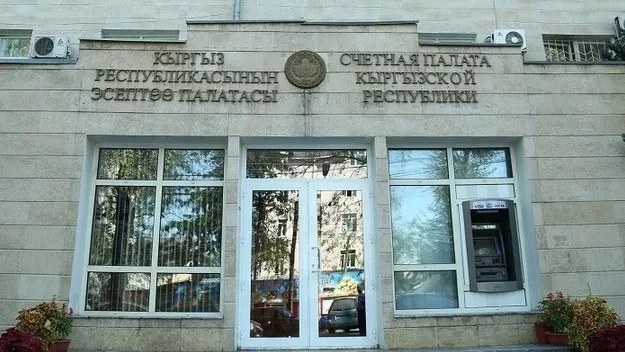
It is worth noting that the audit revealed insufficient internal control, disorganized document flow, and a formal approach to management. The procurement of computer equipment occurred before the completion of the digital platform preparation, technical specifications were changed without justification, and some equipment was either unused or did not meet the declared specifications. There were also recorded cases of misuse of funds, including unjustified consulting services and poor contract management.
The Accounts Chamber has forwarded the materials to law enforcement agencies for further legal assessment.