Metal 3D printing contributes to the localization of hydrogeneration equipment production
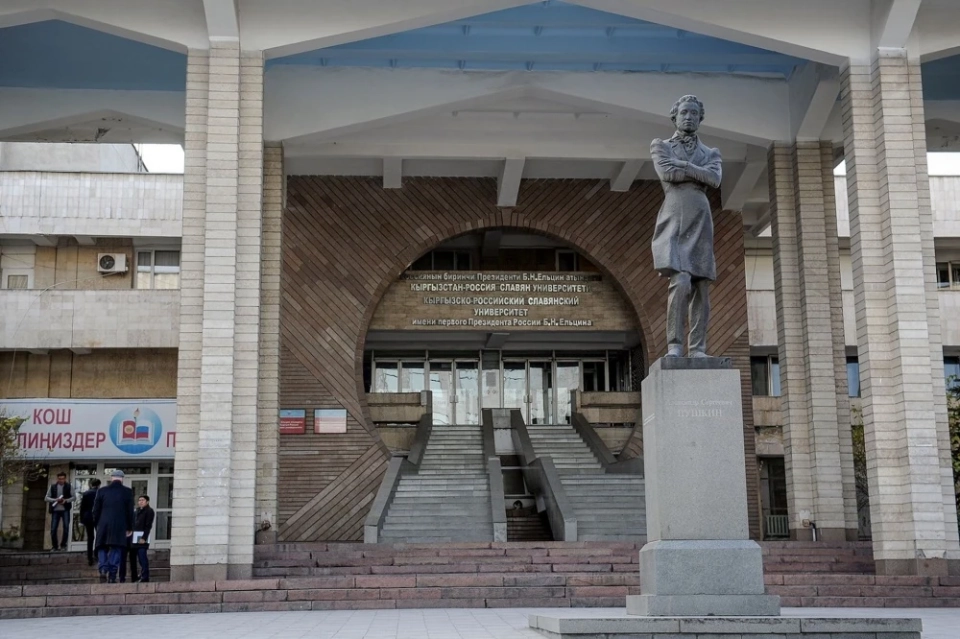
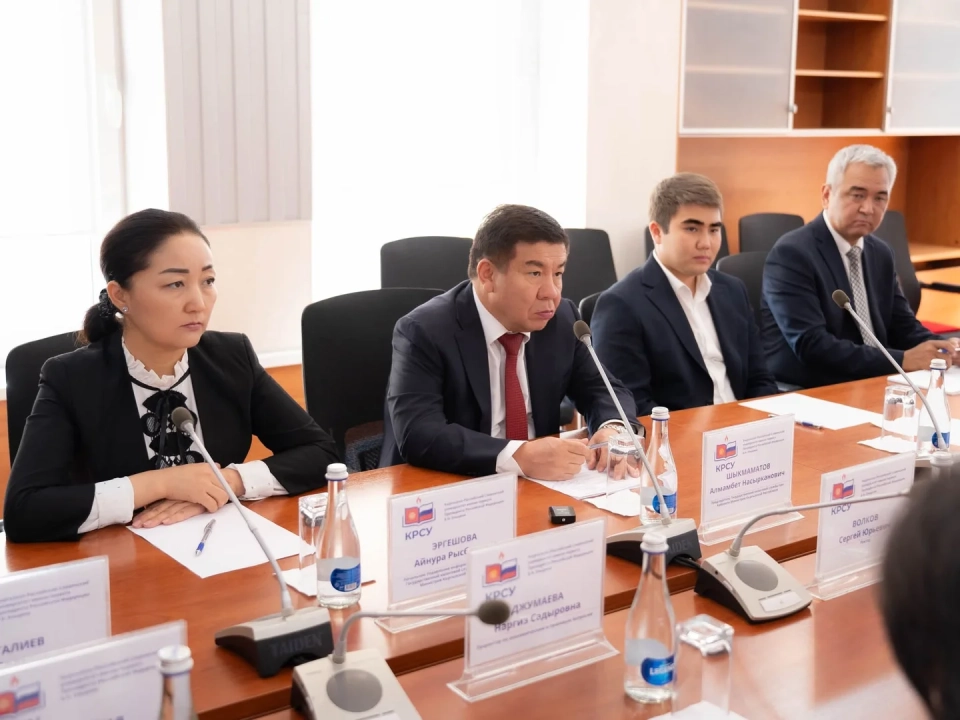
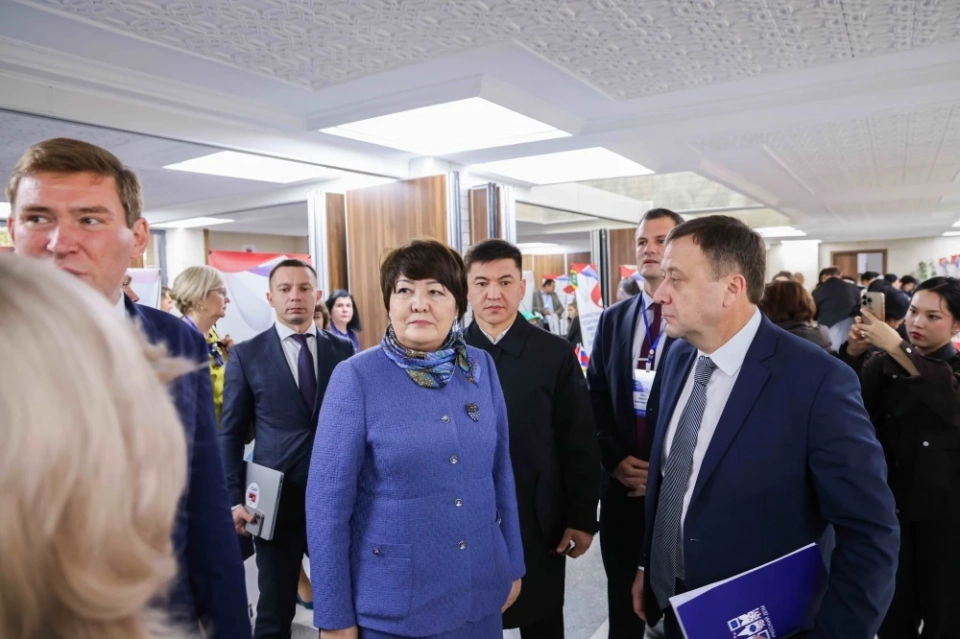
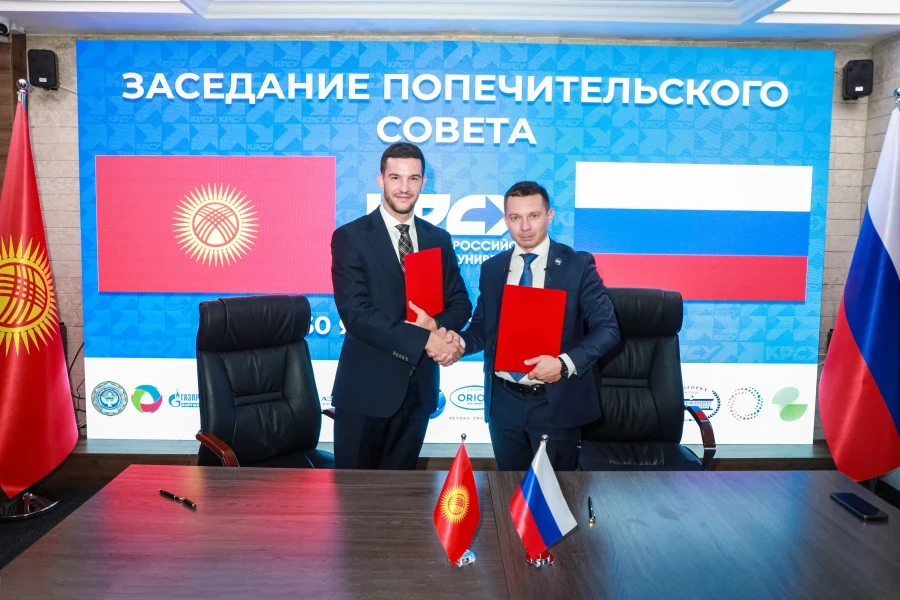
On January 30, an agreement on cooperation was signed in Bishkek between the fuel division of "Rosatom," the Kyrgyz-Russian Slavic University named after B. N. Yeltsin, the representative of the state corporation in Kyrgyzstan, and the engineering company LLC "Boka Hydro KG." The document concerns the implementation of additive technologies in the country's renewable energy sector.
The parties plan to produce equipment for new and existing hydropower facilities using three-dimensional printing technologies. The cooperation covers various aspects, including joint preparation of project documentation and equipment supply to interested clients.
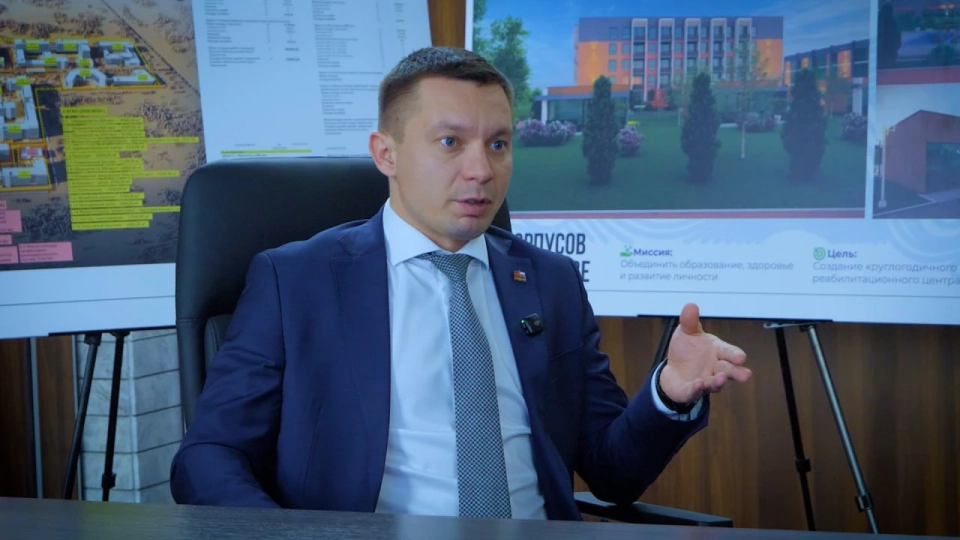
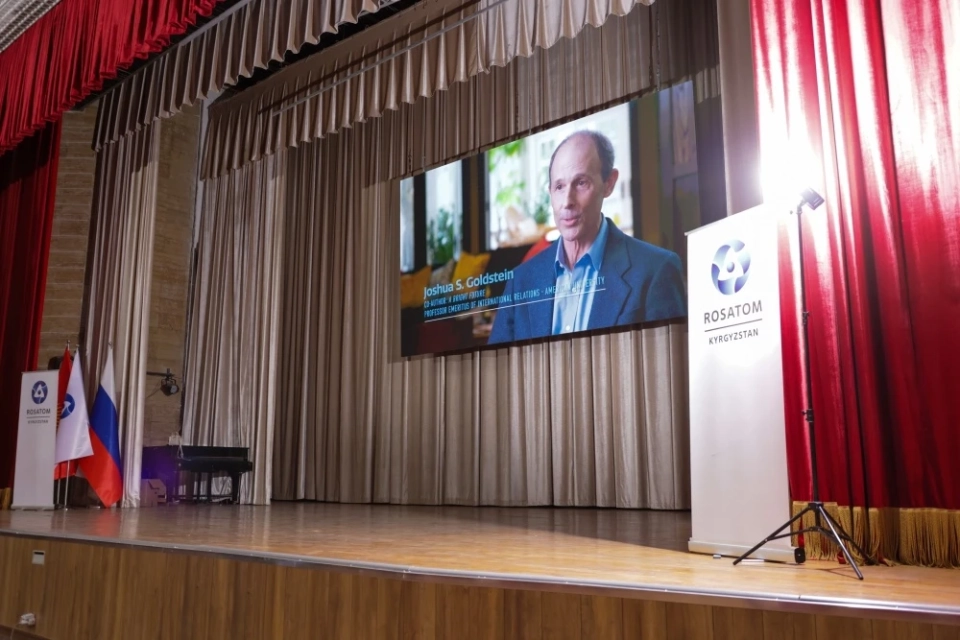
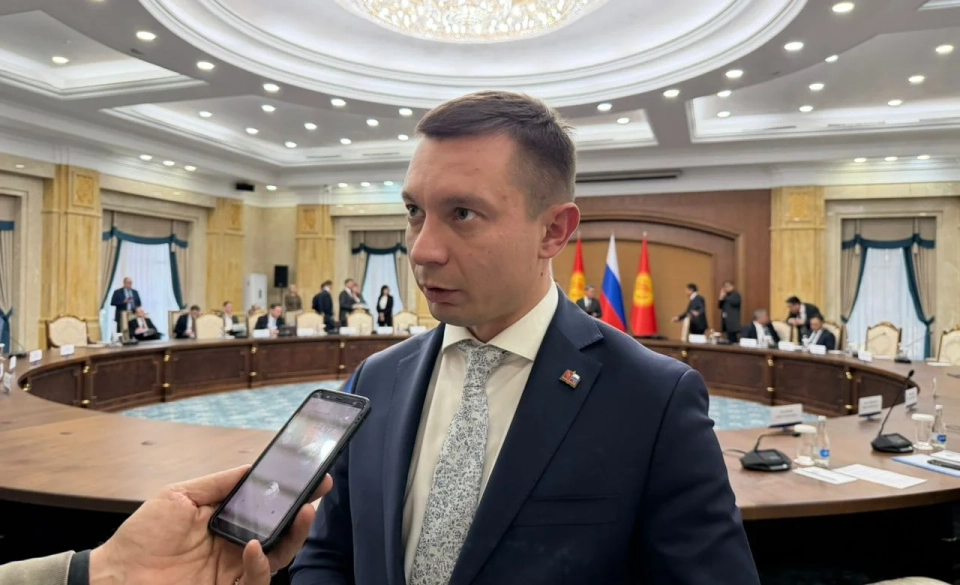
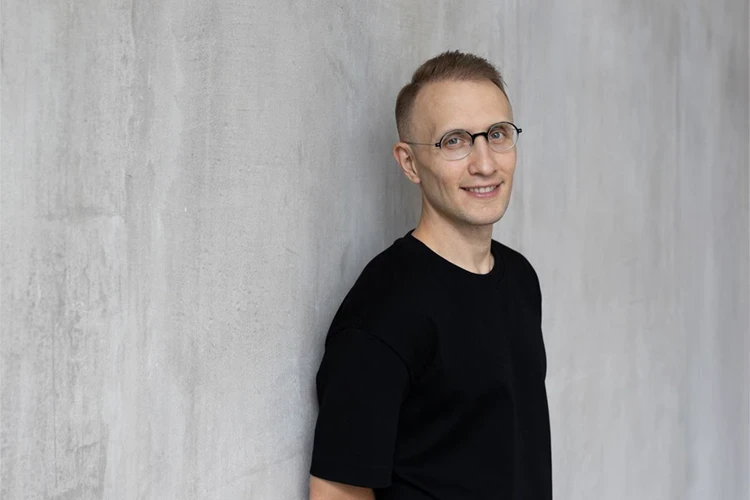
Ilya Kavelashvili, director of additive technologies at the fuel division of "Rosatom," noted: “We possess unique competencies that cover the entire cycle of additive technologies—from creating high-tech printers and metal powders to training personnel and providing service support. We are confident in the significant potential of their use in Kyrgyzstan's energy sector and are ready to share our experience within this partnership.”
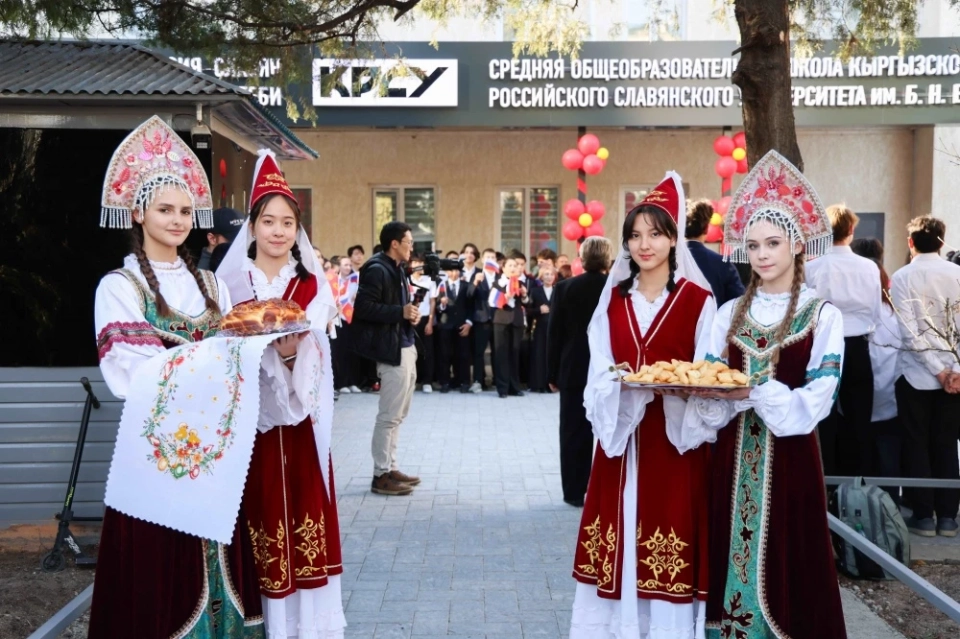
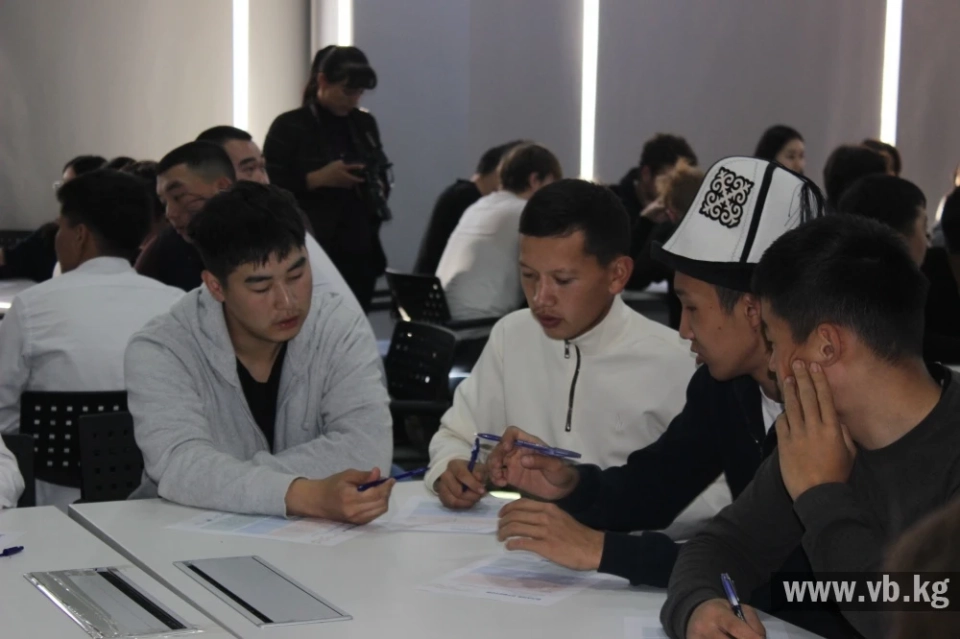
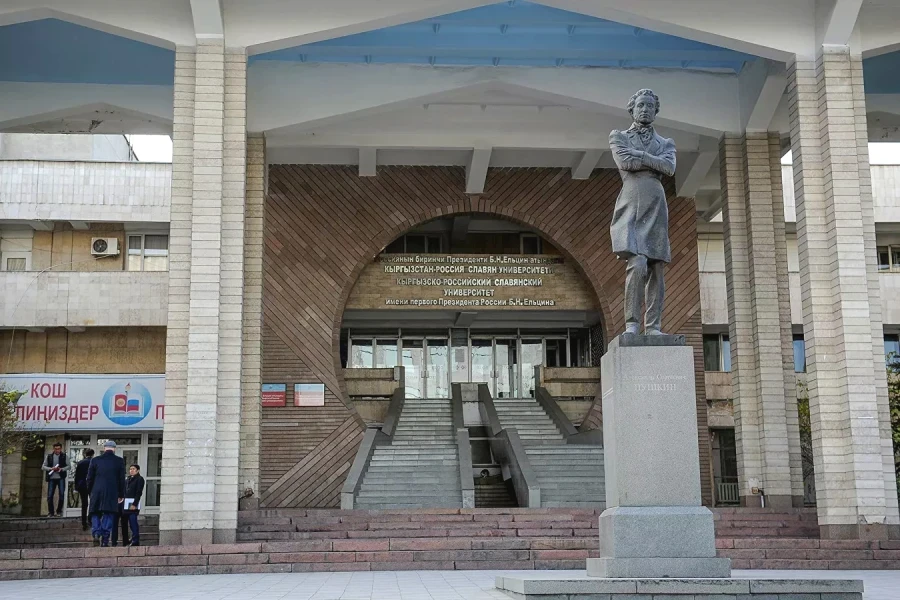
Additionally, a project office for hydropower was opened on the campus of KRSU, which will initially focus on developing technical and economic justifications and project documentation for small and medium-sized hydropower plants. This will serve as an intellectual hub and a model platform of international level.
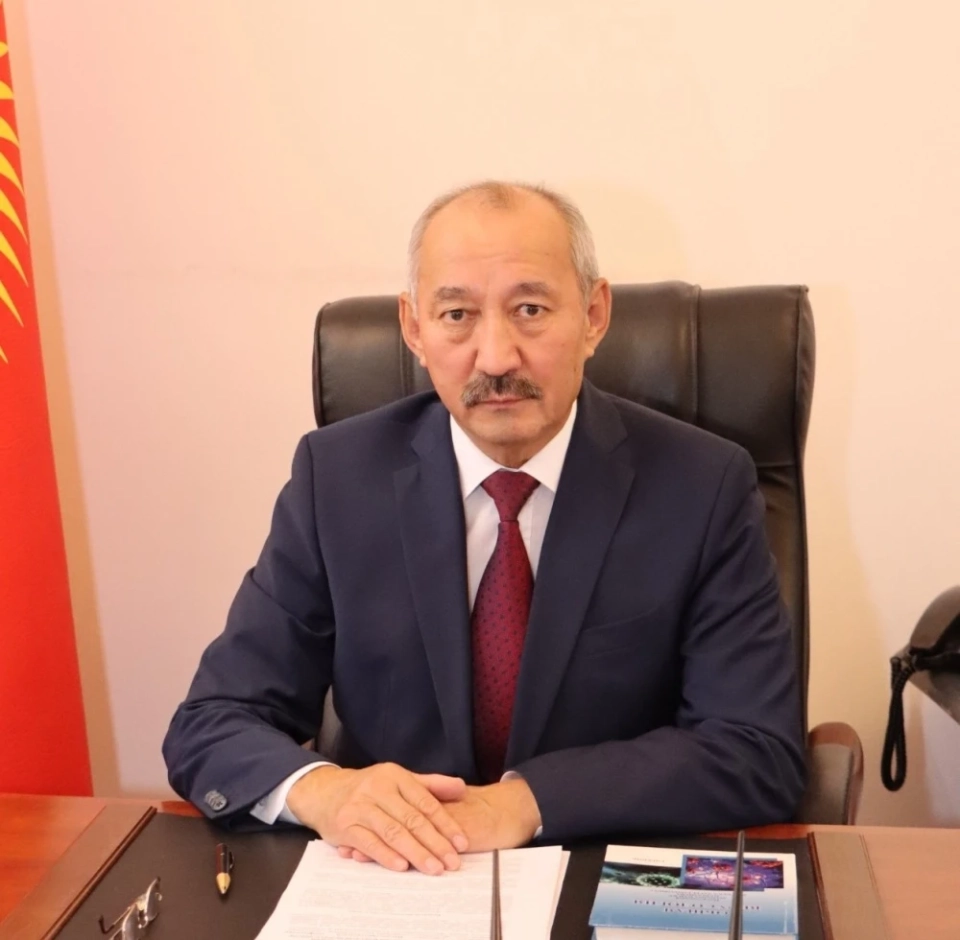
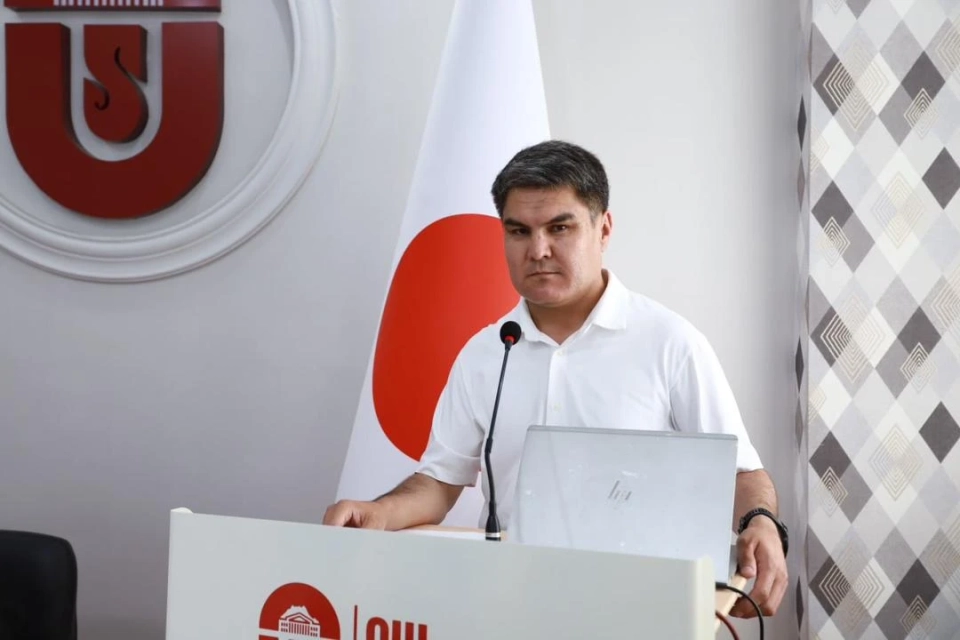
The rector of KRSU, Sergey Volkov, added: “The project office will create conditions for preparing the engineering elite of Kyrgyzstan, providing students access to practical applications of technologies that are changing the world. This will ensure a rapid transfer of ideas into real production and guarantee the technological sovereignty of the republic.”
The fuel division of "Rosatom" (managing company – JSC "TVEL") includes enterprises for the production of nuclear fuel, uranium conversion and enrichment, as well as research and design organizations. TVEL is the sole supplier of nuclear fuel for Russian nuclear power plants and supplies fuel to over 70 energy reactors in 15 countries, as well as research reactors in nine countries. Every sixth energy reactor in the world operates on fuel produced by "TVEL." This division holds leading positions in the global market for enriched uranium and stable isotopes.
The "Additive Technologies" direction offers a complete range of solutions—from the development of 3D printers and components to providing service support and personnel training. Additive technologies allow for the production of parts that are difficult to manufacture using traditional methods, such as casting and machining. Three-dimensional printing also helps optimize material usage and reduce production time. Modern 3D printers can be reconfigured to create products of various sizes and purposes, making them versatile for different productions.
The energy sector generally represents one of the main markets for additive technologies, especially in the repair and maintenance of equipment. 3D printing allows for the quick and economical production of necessary parts. Furthermore, additive technologies enable small-scale or single-item production, which is impossible for traditional factories.
The rapid pace of technological development allows for the expansion of 3D printing applications not only for spare parts but also for creating key components in various industries. Overall, the use of 3D printing in industry leads to an average reduction in material consumption by 8 times and a 75% reduction in energy costs when repairing equipment, ensuring virtually waste-free production.
Photo www