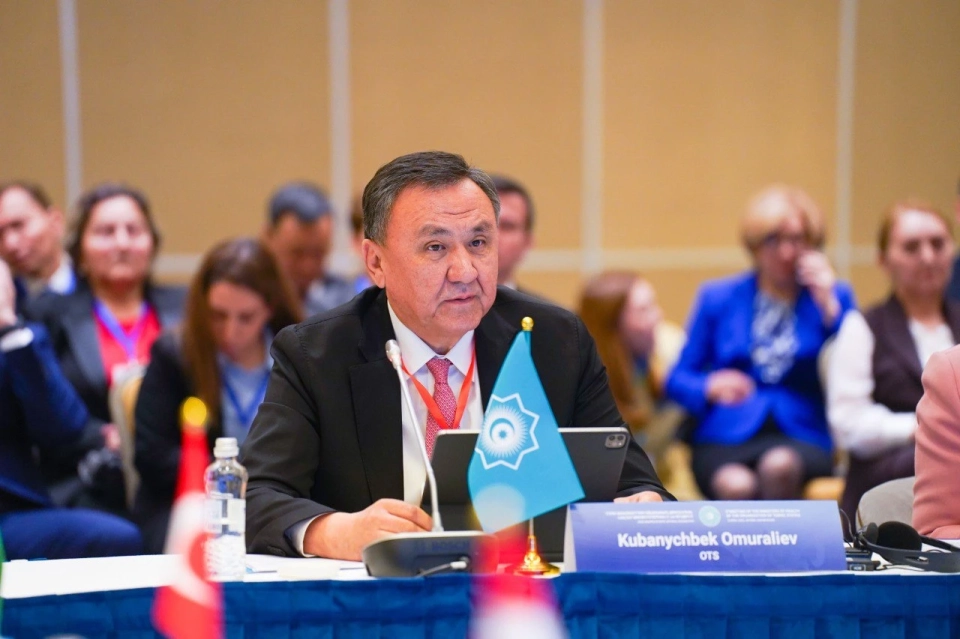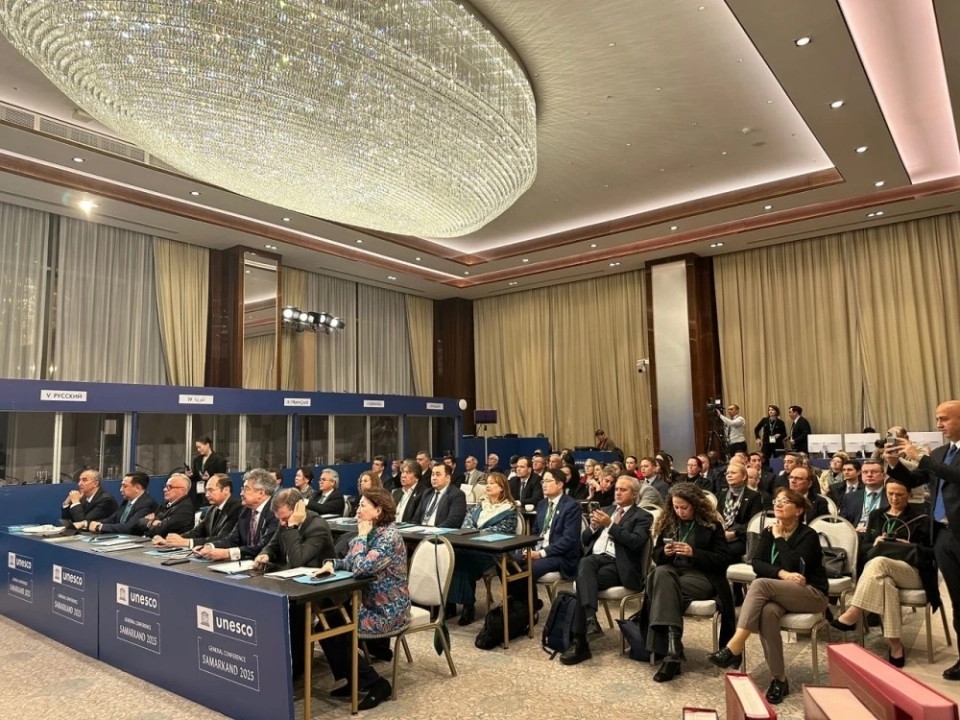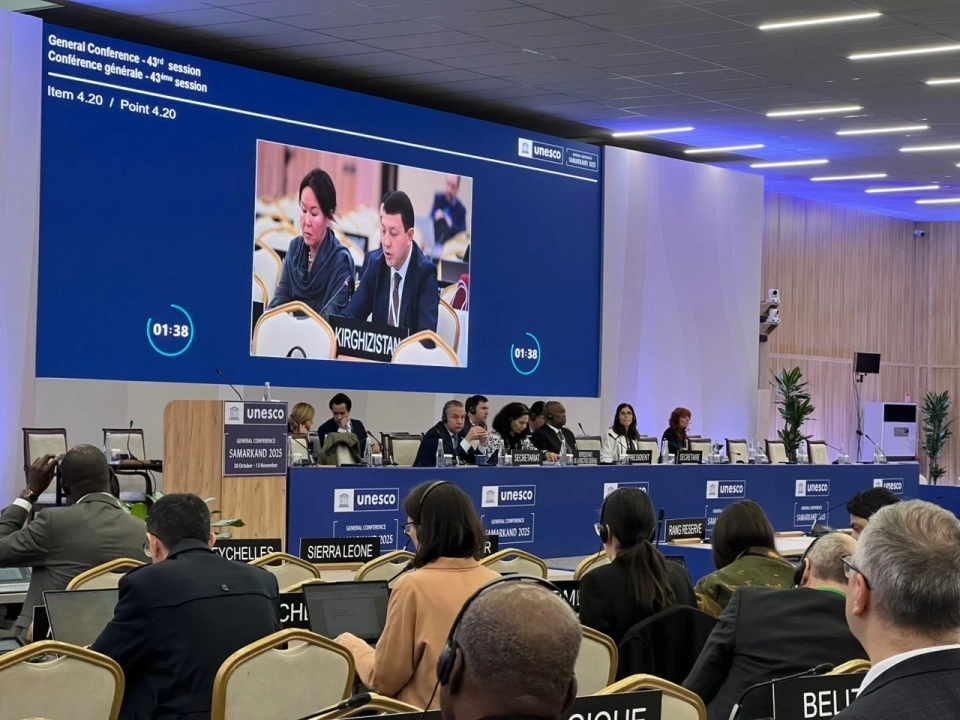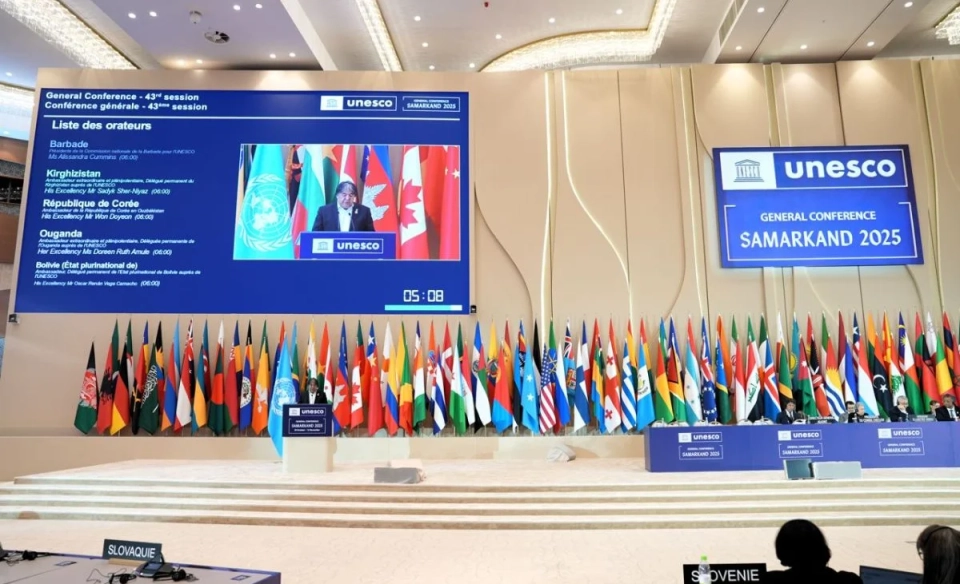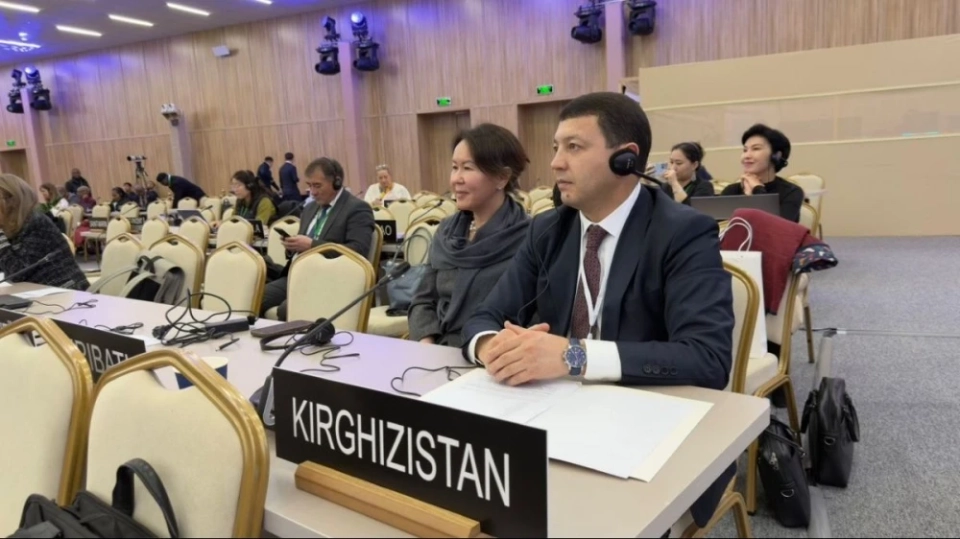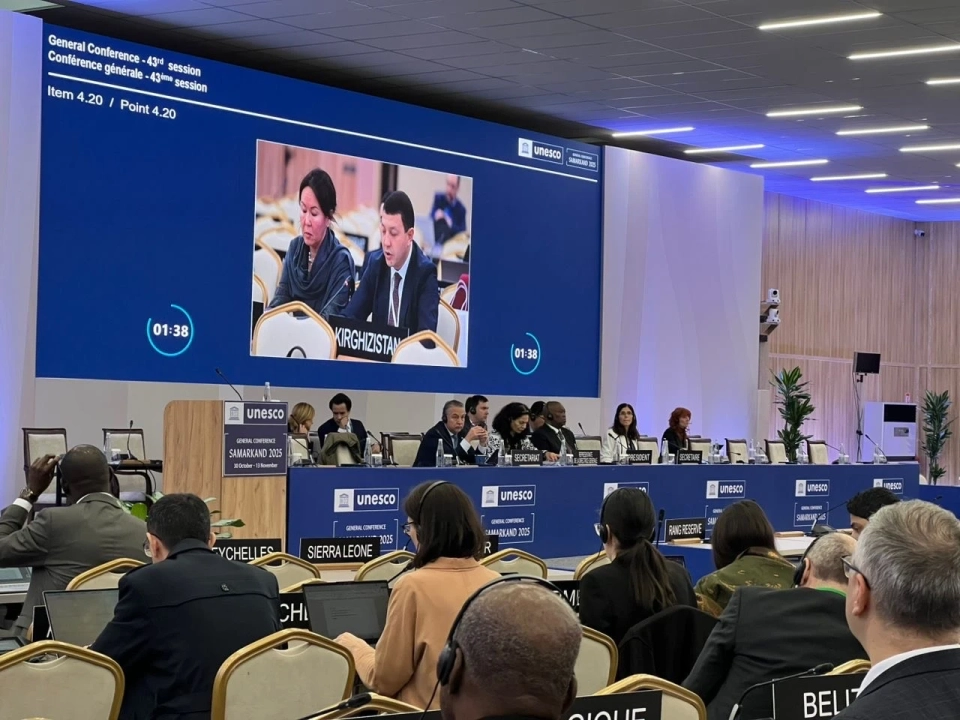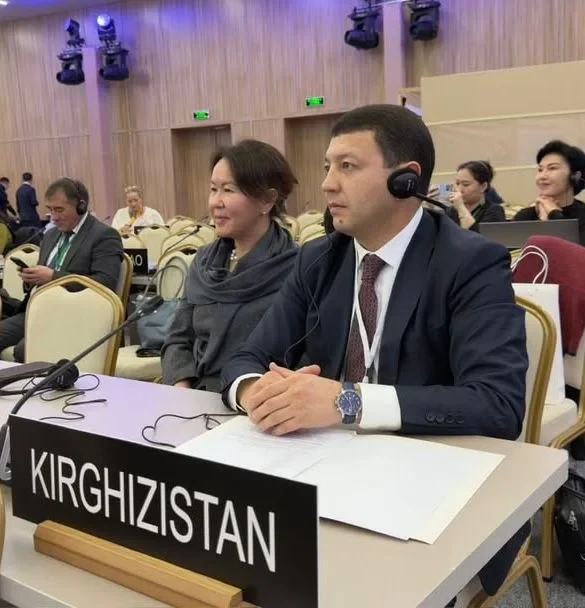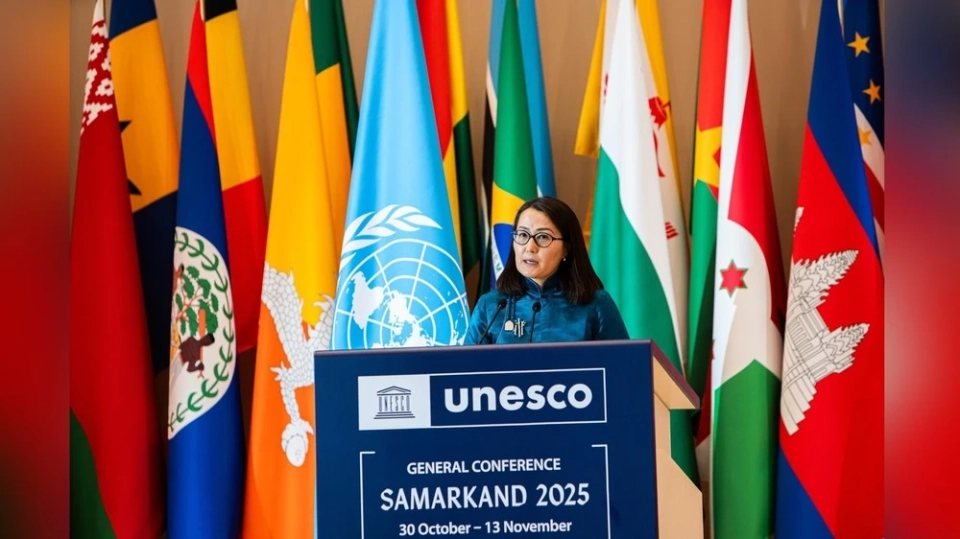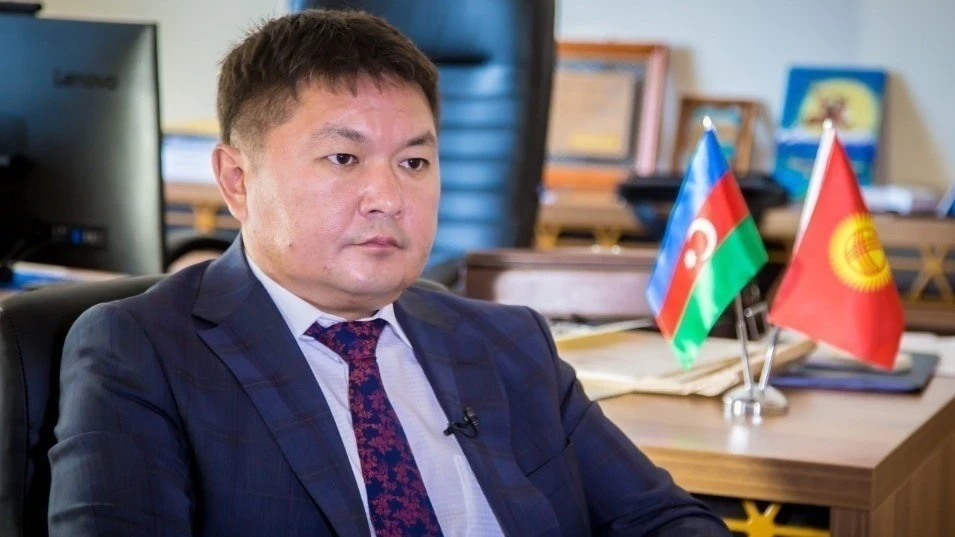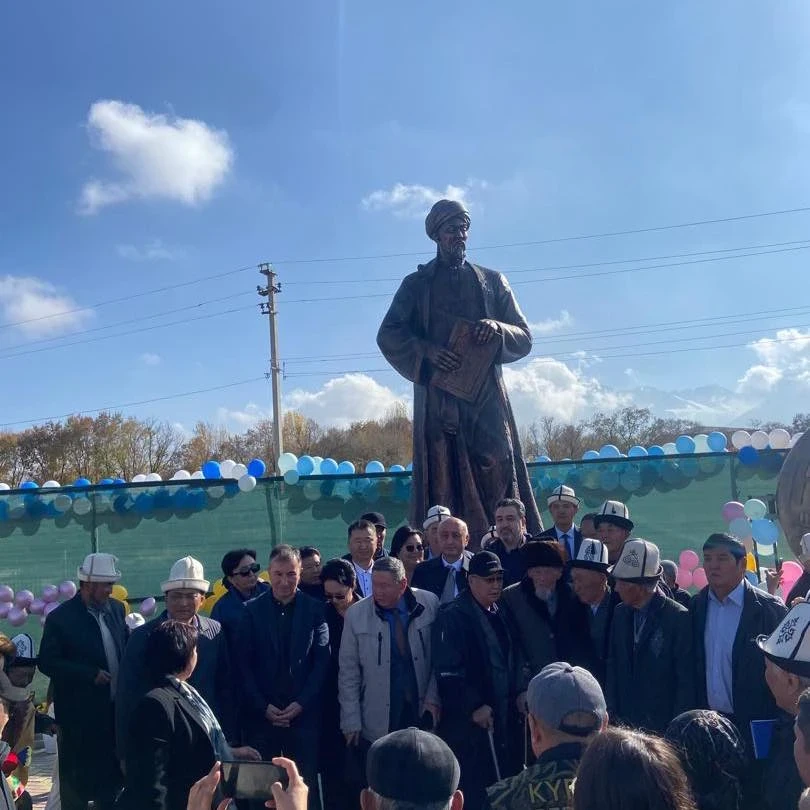
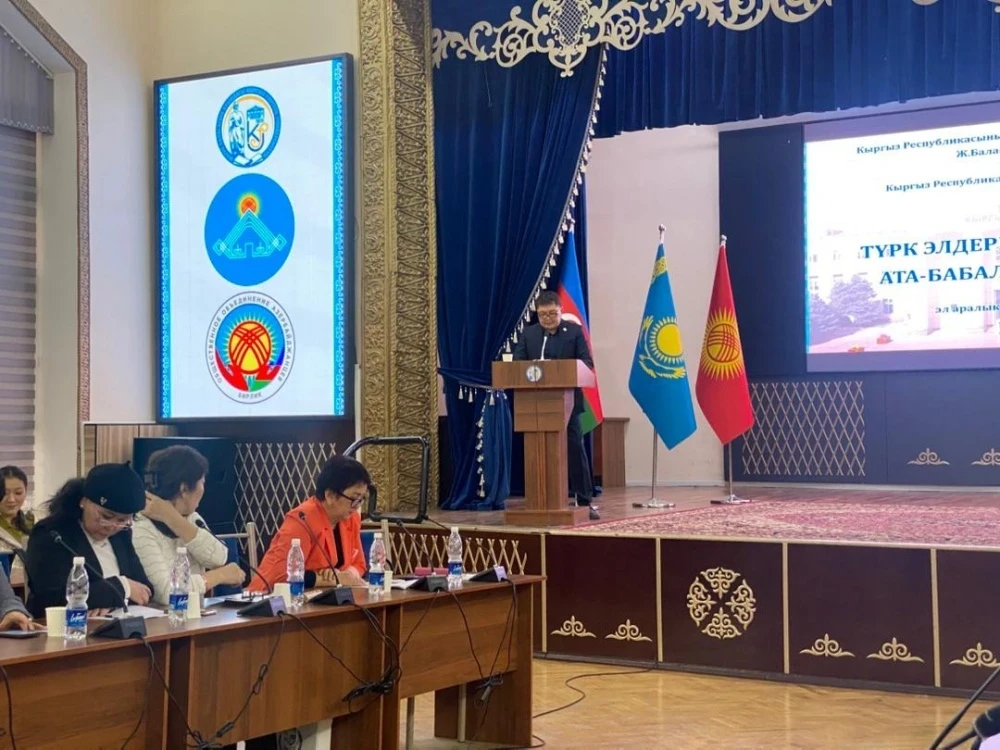
At the 43rd session of the UNESCO General Conference, which took place in Samarkand a month ago, a resolution was adopted to establish a World Day of Turkic Languages. Among the participating countries was Kyrgyzstan. During the conference at the Kyrgyz National University named after J. Balasagyn, dedicated to the centenary of the first Turkological Congress in Baku, Professor Kairat Osmonaliev, head of the Turkic Heritage Center of KNU, congratulated everyone on the first holiday.
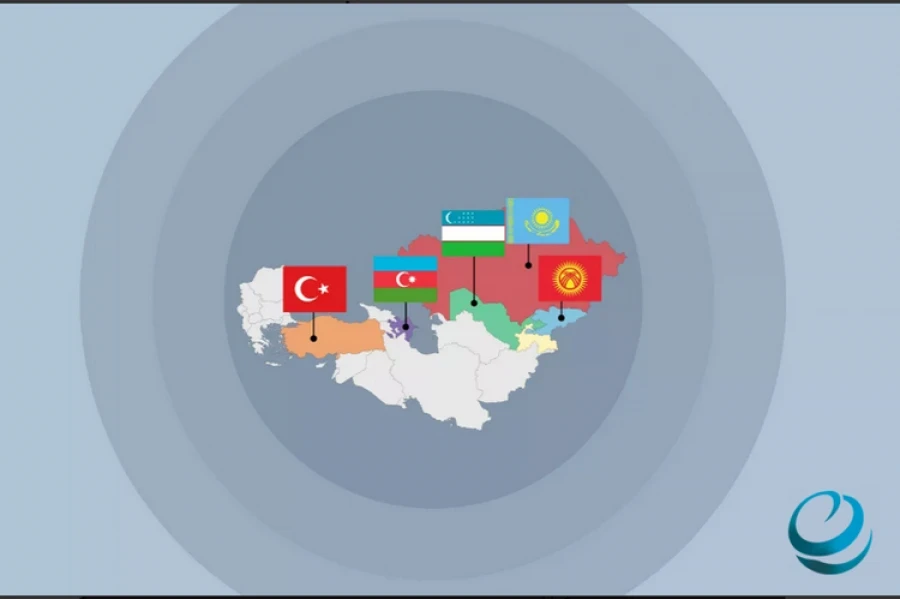
He noted that the initiative to include the issue of Turkic languages on the session agenda came from Azerbaijan, Kazakhstan, Kyrgyzstan, Turkey, and Uzbekistan, with the support of 21 member states.
The choice of the date December 15 is not accidental: it was on this day in 1893 that the Danish scholar Wilhelm Thomsen presented the results of his work on deciphering the Orkhon inscriptions, which are among the oldest written evidence of the Turkic language family. This language family subsequently became the basis for languages such as Azerbaijani, Kazakh, Kyrgyz, Turkish, Turkmen, and Uzbek. "Our Turkic Heritage Center, which was established a year ago with the support of the Turkic Culture and Heritage Foundation and the Faculty of Kyrgyz Philology, could not overlook this important date," emphasized Osmonaliev.
Furthermore, he added that the idea for the conference also came from the public association of Azerbaijanis in Kyrgyzstan "Birlik," which proposed to commemorate the centenary of the first Turkological Congress in Baku, scheduled for February next year. This event marked a significant step in the field of cultural integration and the development of Turkic linguistics. Thus, the World Day of Turkic Languages and the centenary of the Turkological Congress are closely interconnected. UNESCO recommends emphasizing the cultural and social value of Turkic languages on this day as an element of the cultural diversity of Turkic-speaking countries and raising awareness of their contribution to the development of humanity," he noted.
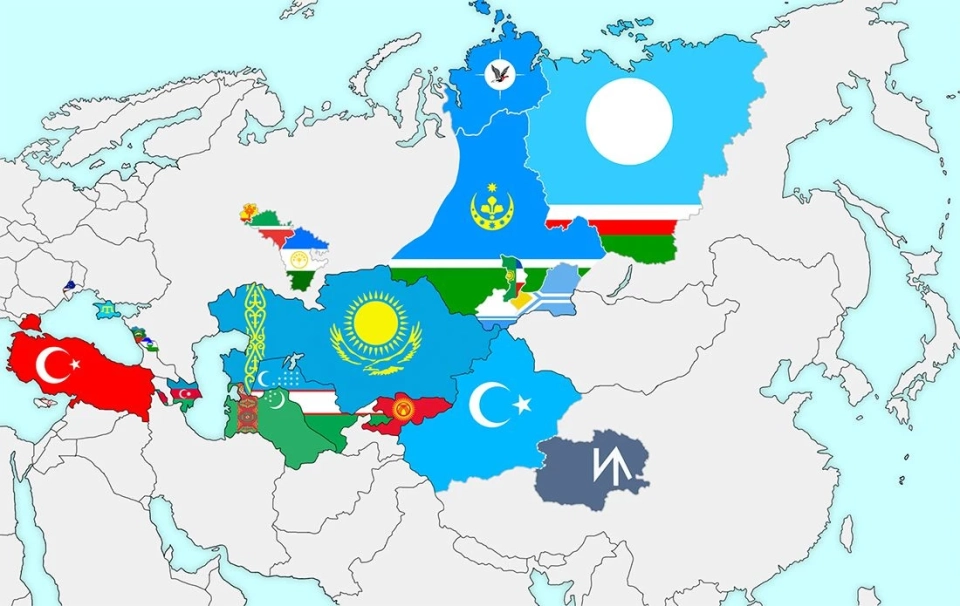
The expert also emphasized that Turkic languages are native to over 200 million people living in an area covering about 12 million square kilometers across several UNESCO member states.
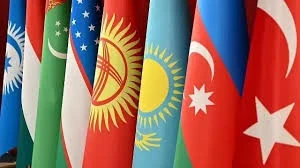
"Turkic languages possess a rich documentary heritage and vibrant oral traditions that unite more than ten states, primarily within the framework of the Organization of Turkic States. Our event today will undoubtedly contribute to promoting the values and heritage of Turkic peoples, among which Turkic languages hold a special place," concluded Kairat Osmonaliev.