Although the organization acknowledges the importance of improving public health and preventing non-communicable diseases, it believes that the proposed measure requires a comprehensive analysis considering economic, social, and sectoral consequences.
According to the association's statement, “sugar and its derivatives are part of the country's food security. Here lies the paradox: on one hand, the state allocates resources to support farmers and processors, while on the other hand, it proposes measures that significantly increase the tax burden on processed products made from agricultural raw materials. Increasing excise taxes may make processing less profitable.”
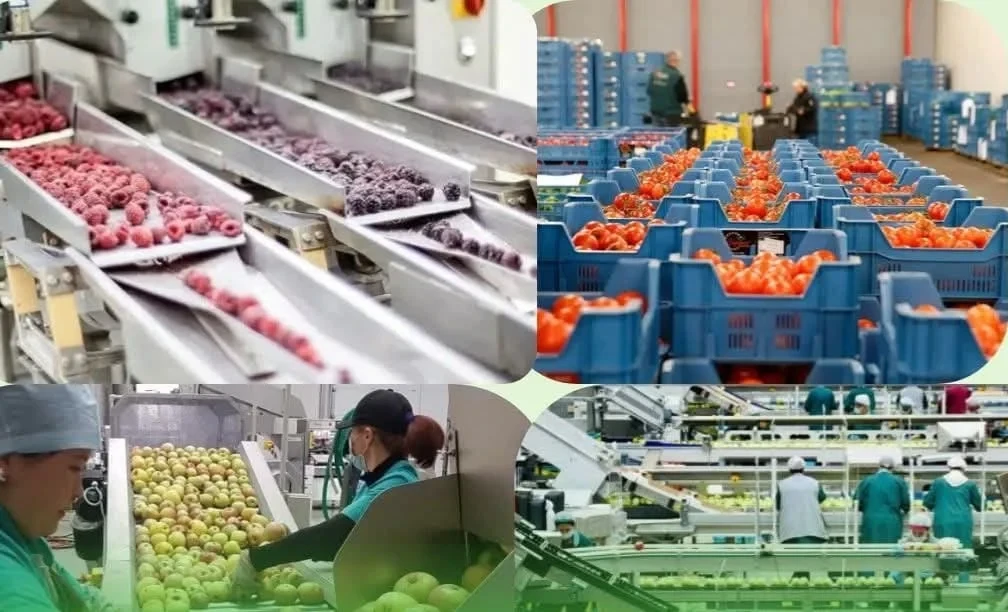
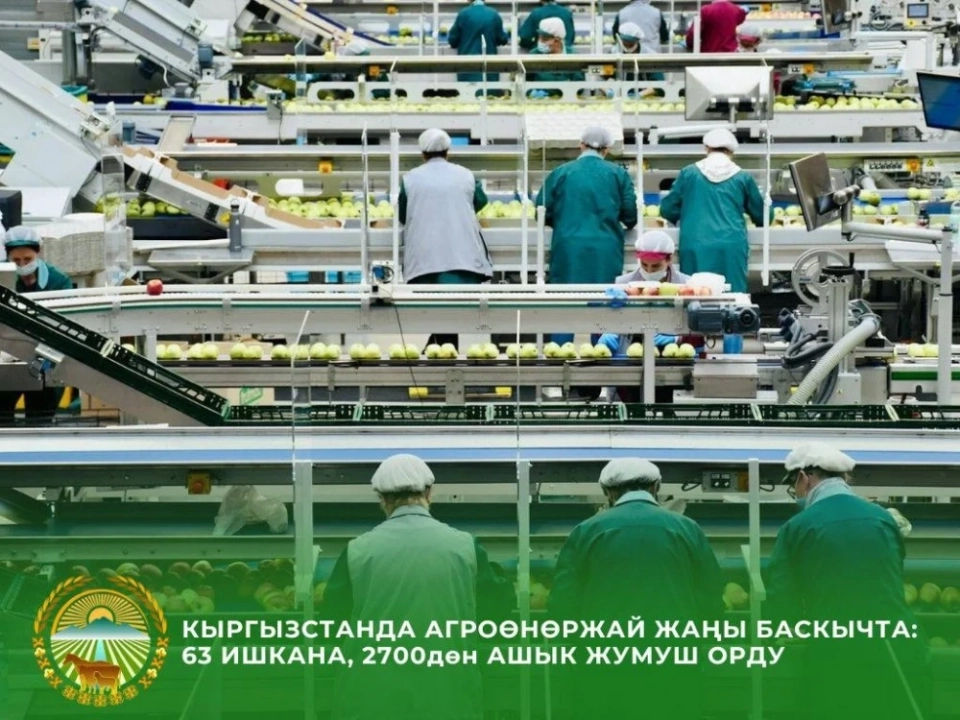
It is also emphasized that the production process of juices, nectars, and fruit drinks is closely linked to the procurement of raw materials from domestic farmers.
It is expected that the increase in excise taxes will lead to the following consequences:
- an increase in production costs;
- a decrease in the competitiveness of local producers;
- a reduction in raw material purchases;
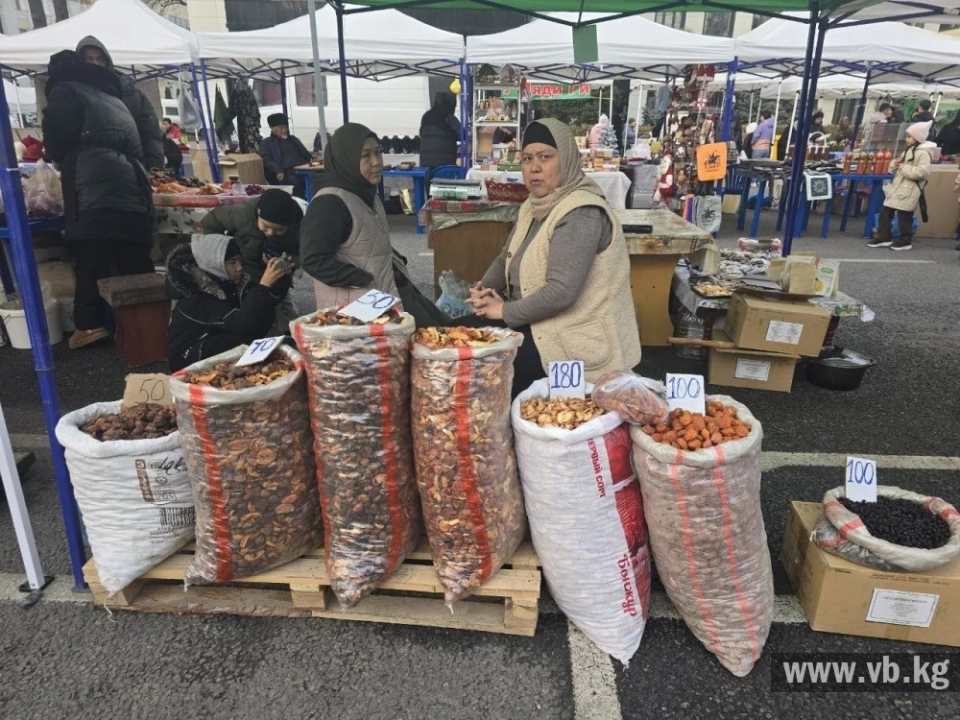
- a decrease in the income of farming households;
- a reduction in the workload of processing plants;
- a decrease in jobs in the regions.
Thus, the tax measure aimed at regulating consumption may negatively impact the rural economy, according to the association.
Moreover, they note that an increase in the tax burden will inevitably lead to higher prices for local products.
“The Kyrgyz market is open, and products from neighboring countries such as Afghanistan, Kazakhstan, Uzbekistan, and Russia are already actively represented. In recent years, there has been an increase in the supply of sweetened beverages, which are actively placed in HoReCa channels and retail networks. If excise taxes on local products rise, consumers may prefer cheaper imported products. As a result, local producers may lose part of the market. This may not only fail to improve public health but also lead to a market redistribution in favor of imported products,” the statement says.
It is also emphasized that the desire of producers to reduce the tax burden may prompt them to switch from sugar to artificial sweeteners. This, in turn, does not always align with the goal of improving public health.
The association reminded that a sharp increase in excise taxes previously led to:
- the growth of the illegal market;
- smuggling of goods;
- the entrenchment of the unaccounted segment.
The appeal states that the country lacks a sufficient laboratory base for the prompt control of sugar content in products.
Producers and processors agree on the necessity of strengthening public health; however, they propose a more comprehensive approach to this task, including:
- educational initiatives;
- information campaigns;
- instilling a culture of healthy eating;
- promoting physical activity.
Fiscal measures should be considered as one element of policy rather than as the primary regulatory tool, the association concluded.
Currently, there is a unified excise tax on sugar-containing beverages in the amount of 3 soms per liter, regardless of sugar content. The new initiative proposes a transition to a differentiated system, where the rate will depend on the level of sugar in the product.