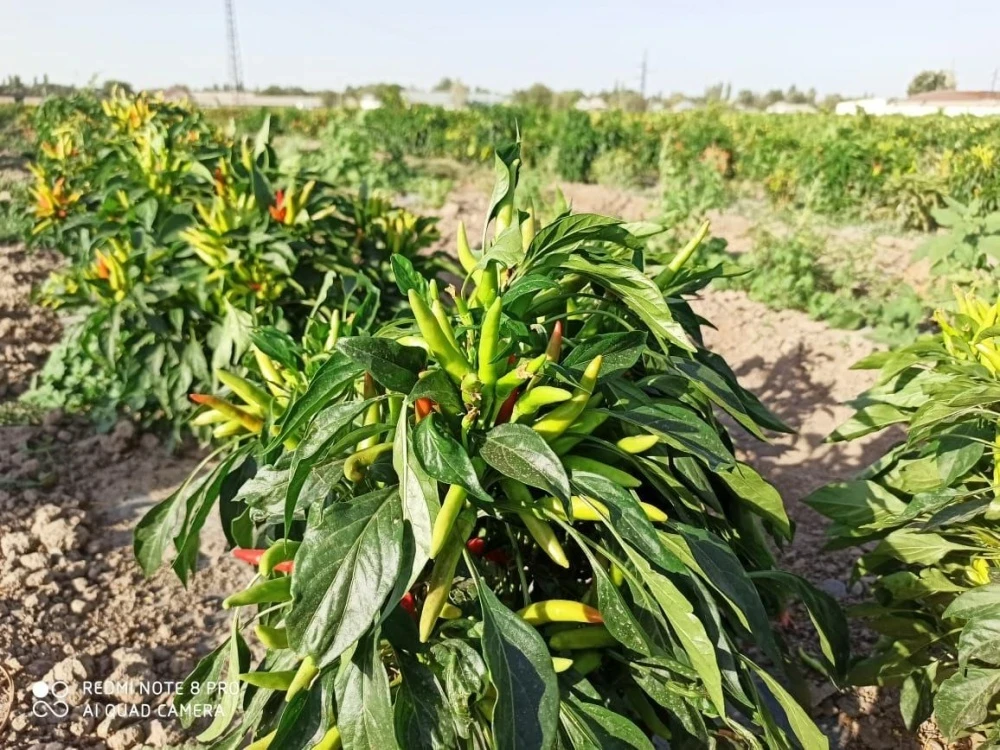
Just a week ago, experts' expectations seemed to be merely alarming omens, but today they have been confirmed: Russian consumers are facing a sharp rise in prices. The conflict in the Middle East and the effective halt of supplies from Iran have significantly impacted fresh vegetables, which are an important part of the consumer basket. As reported by "Komsomolskaya Pravda," the cost of the "vitamin set" on the shelves of Russian stores is rapidly increasing. For example, sweet peppers, which cost 250–300 rubles at the end of February, have now nearly doubled in price. The situation with eggplants is no better: finding them for less than 300 rubles per kilogram is nearly impossible, although just recently the price was around two hundred rubles.
Experts warn of a possible further increase in vegetable prices. Quick attempts to replace Iranian products with Turkish vegetables face objective difficulties, as Turkey has also suffered from a poor harvest this year due to the cold winter. Chinese producers may offer an alternative, but the delivery of vegetables from China to Moscow or St. Petersburg is significantly more expensive than to Siberia or the Far East, which undoubtedly affects the final price in supermarkets in the European part of Russia. Preliminary forecasts suggest that in conditions of shortage, importers may raise prices by 30%, and a real decrease in costs can be expected no earlier than the end of June, when the mass harvest begins in southern Russia.
Nevertheless, the Association of Retail Companies (AKORT) holds a more optimistic view of the current situation, claiming that there is no need to panic and that there will be no shortage. Retail representatives in Russia state that alternative supply routes have already been developed for each category of goods that have ceased to arrive from Iran. The main partners in this direction are Azerbaijan, Egypt, Uzbekistan, China, and Latin American countries. According to the association, such diversification of imports will help avoid a critical shortage of products and mitigate sharp price fluctuations.