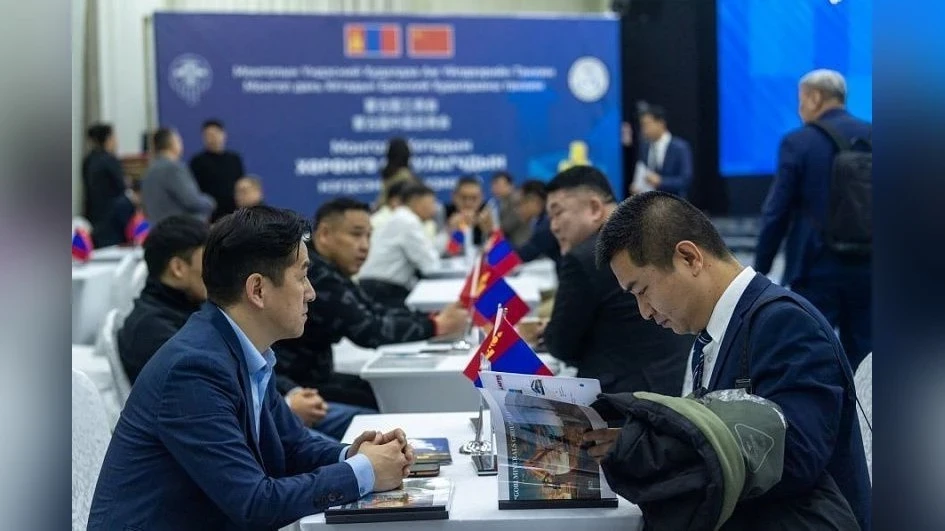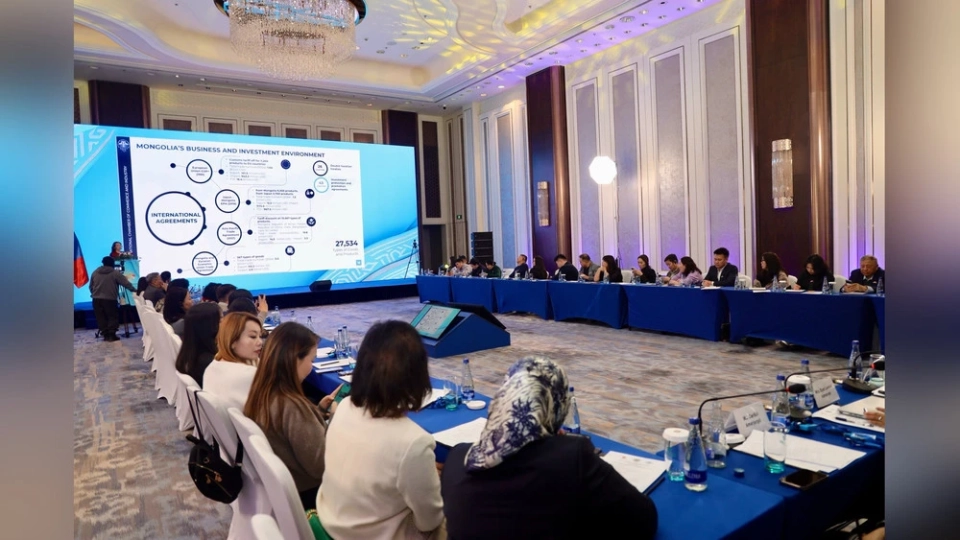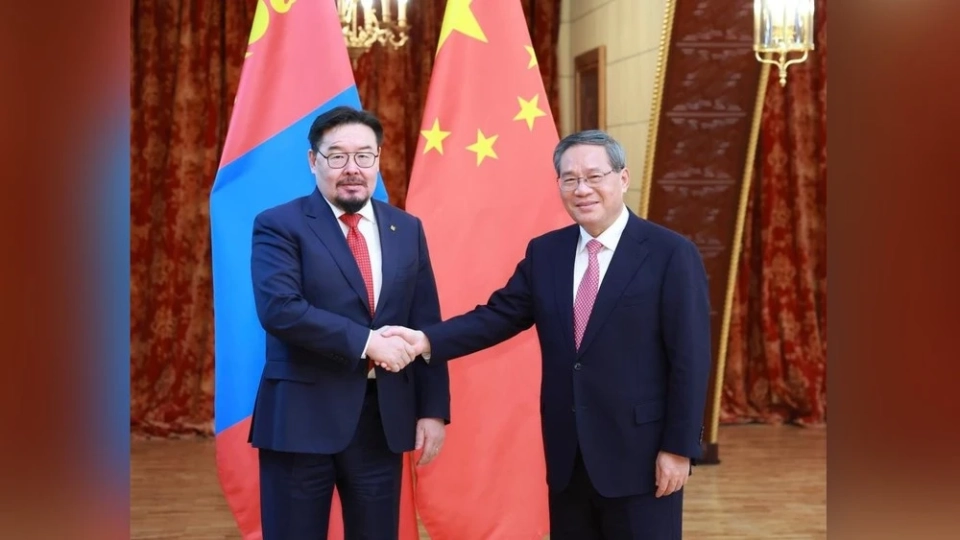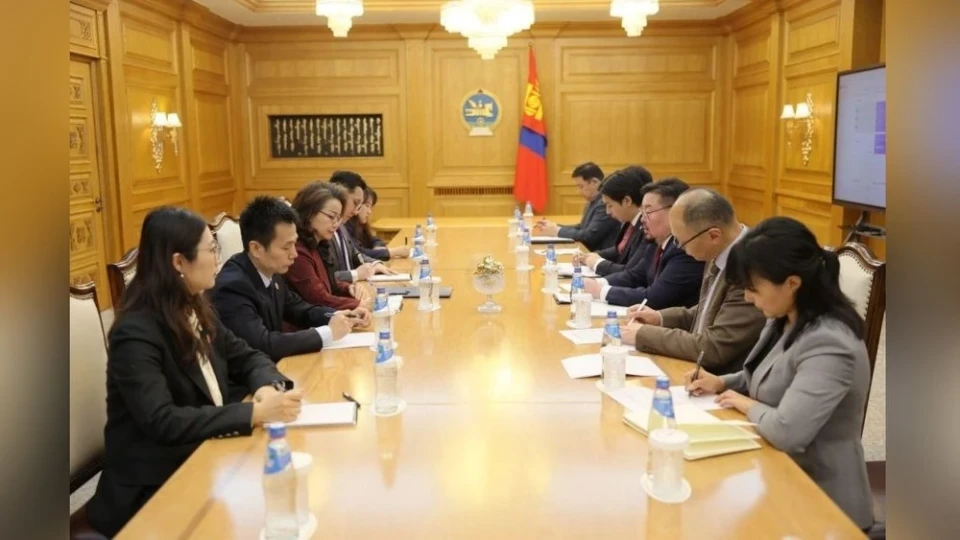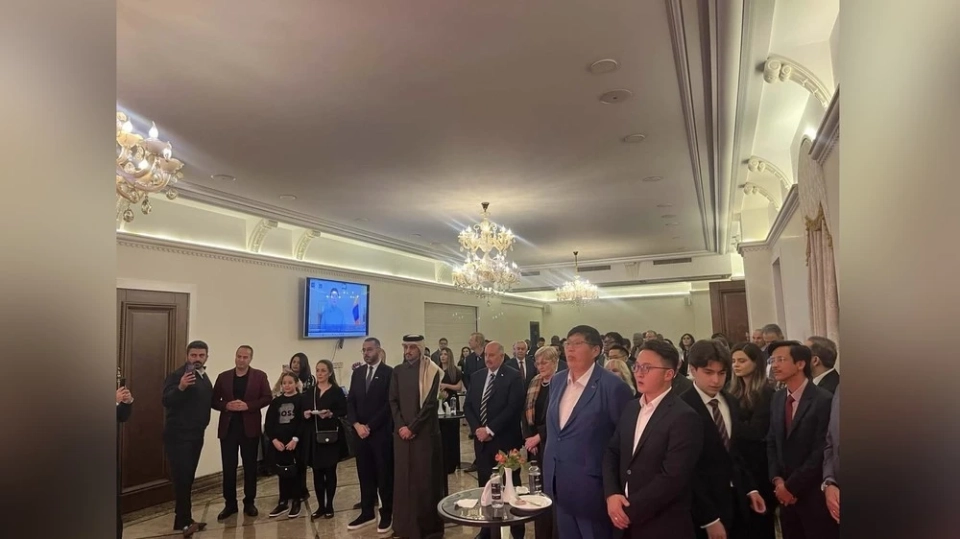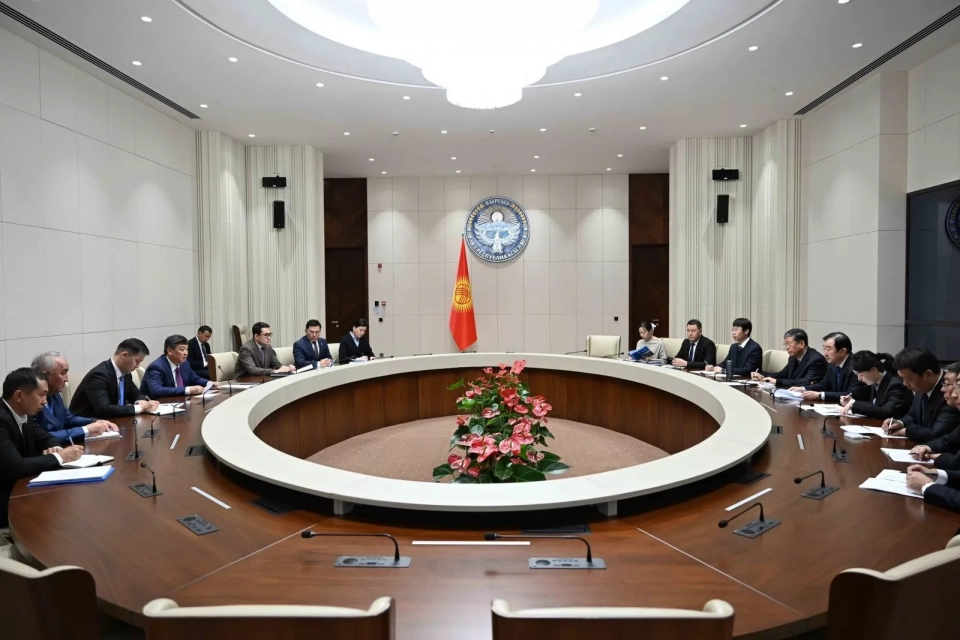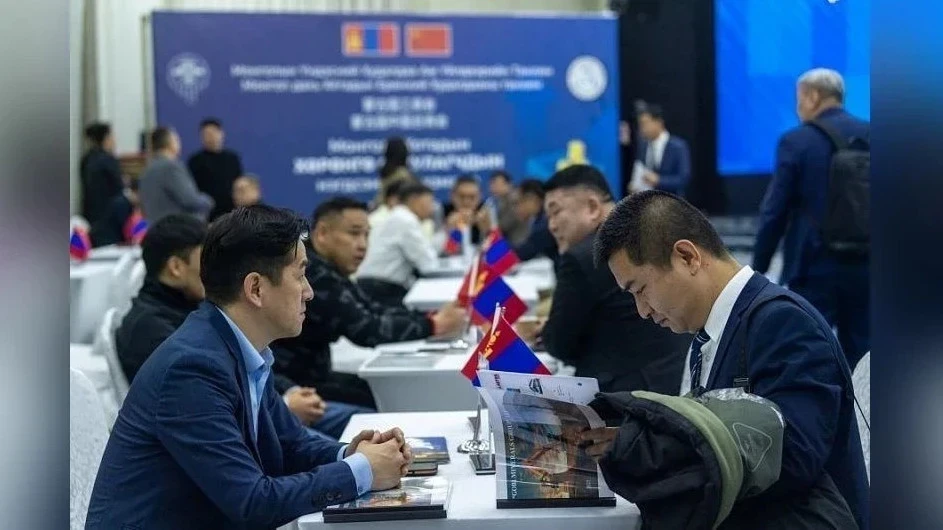
During the event, the president of the National Chamber of Commerce and Industry of Mongolia, Lkhagvajav Baatarjav, reported that the current volume of bilateral trade between Mongolia and China has reached $16.5 billion, accounting for about 80% of Mongolia's total foreign economic turnover. According to him, over the past ten years, this figure has significantly increased from $1 billion to $16 billion, which is a direct result of successful cooperation between the two countries.
The round table discussed issues in the mining, construction, agriculture, and food sectors. Participants noted a long-standing problem with calculations and reporting on mineral royalties, which creates difficulties for both foreign and local investors. Additionally, Mongolia's strict labor regulations hinder the attraction of highly qualified specialists from abroad. During the spring session of parliament, a package of bills aimed at improving the business and investment climate is planned to be considered. Currently, more than a thousand Chinese companies are actively operating in Mongolia, and current global trends emphasize the importance of maintaining active trade relations with neighbors.
Lu Jingzhi, the trade and economic advisor at the Chinese Embassy in Mongolia, noted that the mining sector plays a key role in economic interaction between the two countries, as evidenced by the stable growth of trade and investment in this sector. However, progress is also observed in other areas, such as agriculture. He emphasized the need to enhance policy coordination and develop relations between government structures. Mongolia should improve the transparency and stability of its tax system, enhance the legal environment for labor relations, and protect workers' rights, which in turn will create a more favorable business climate. The implementation of these reforms, according to Lu Jingzhi, will contribute to further growth in trade with China and the expansion of economic cooperation.
Enkhtur Tumembayar, director of Mergen Tour LLC, expressed the significance of signing a Memorandum of Understanding between the Mongolian and Chinese chambers of commerce. He emphasized that the country's economy continues to be heavily dependent on the export of mining products, despite the existing potential for increasing agricultural product supplies. Diversifying exports and creating sustainable supply channels for livestock products to the Chinese market have become top priorities. This initiative will not only increase enterprise revenues but also improve the financial situation of herders, positively impacting the rural economy. Tumembayar also noted the challenges faced by enterprises when entering foreign markets, including high import customs duties in China, which reach 17%, while in Mongolia they are 5%. He expressed hope for exploring possible solutions to reduce these tariffs.