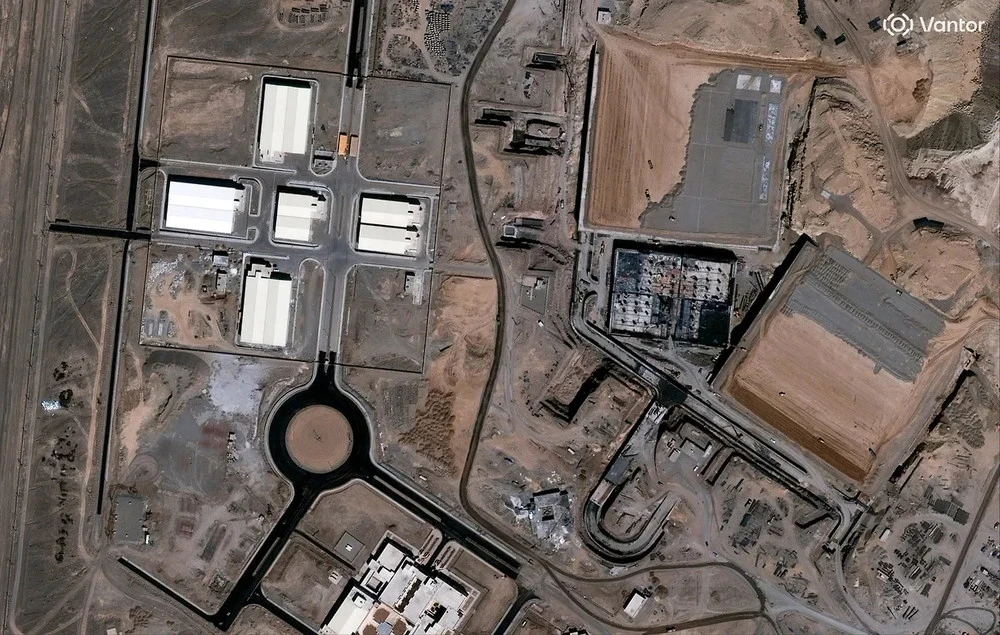
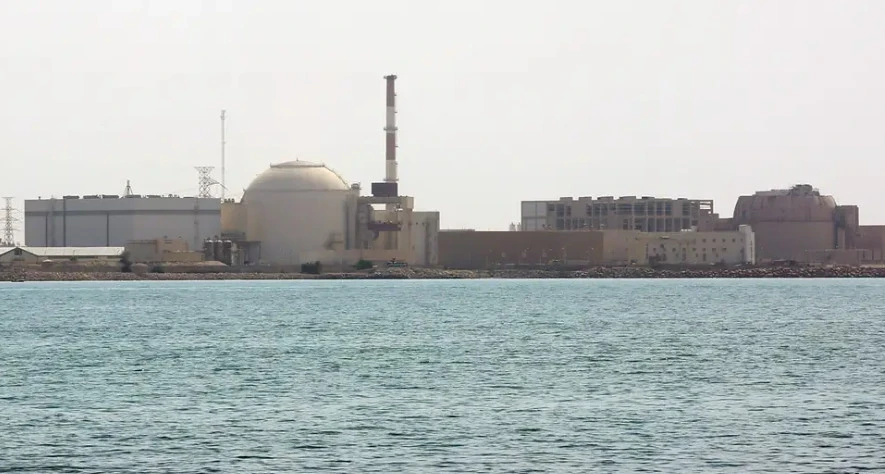
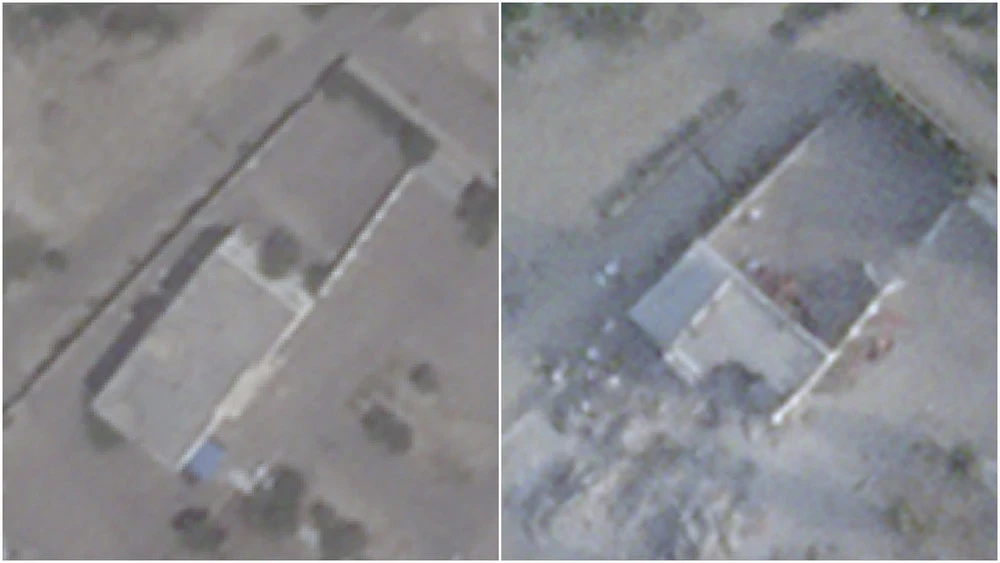
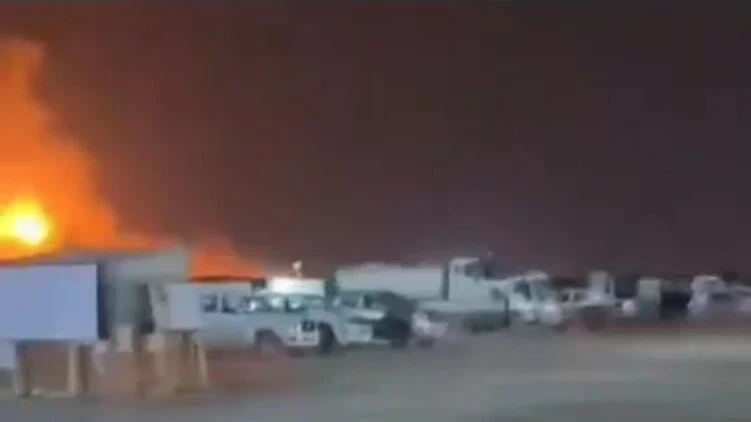
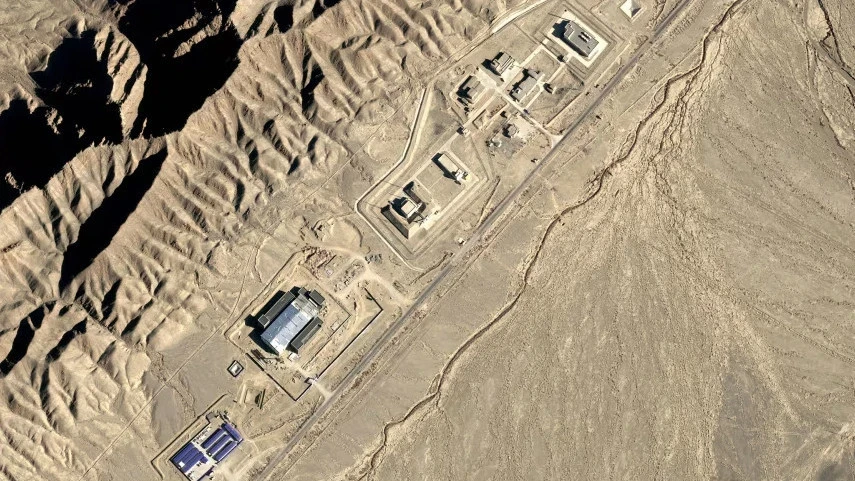
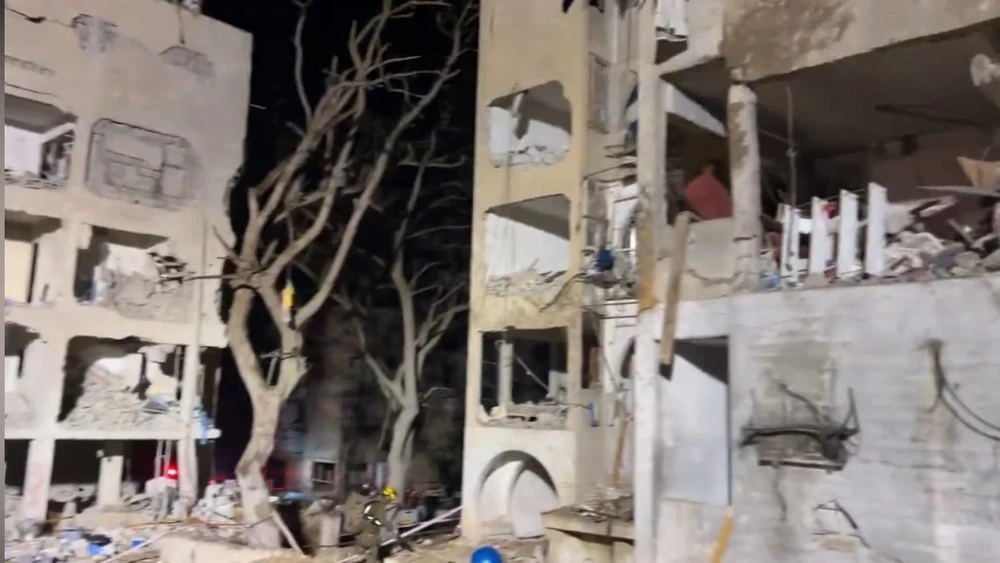
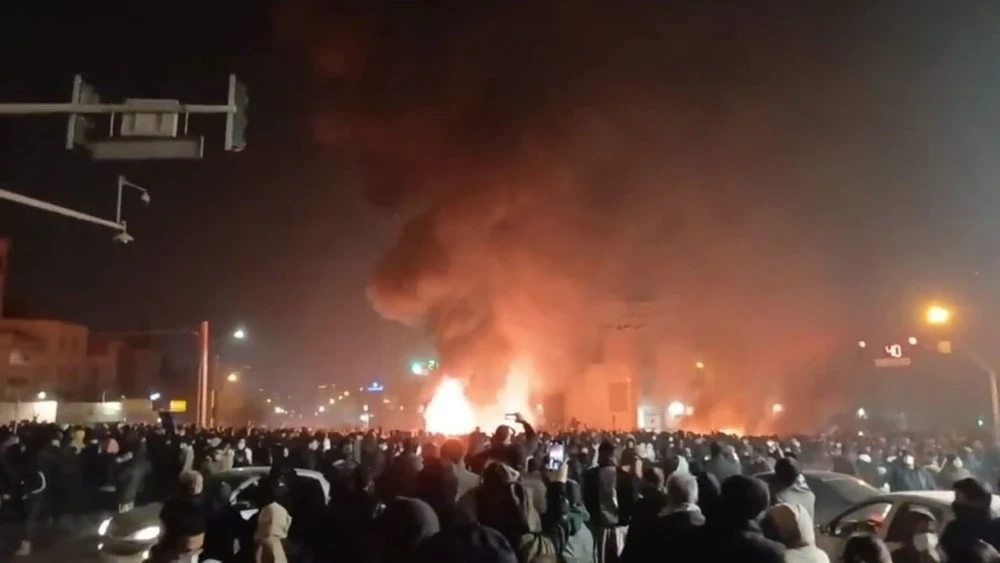
The Iranian state news agency Fars reported on the bombing of the plant in Khondab. According to Iranian authorities, no one was injured in the strike, and no leaks of radioactive materials were recorded. Later, Israeli military confirmed their involvement in the attack, explaining it as an attempt to prevent the restoration of the plant after last year's attacks.
As reported by Deutsche Welle, the heavy water reactor located in the same complex was targeted in June 2025 during a military operation by the U.S. and Israel against Iran's nuclear program. At that time, the IAEA noted that the facility was not yet completed and that there were no nuclear materials present.
Heavy water, which is water containing a heavier isotope of hydrogen, has a density approximately 10% higher than that of regular water. It is used to slow down neutrons in nuclear reactors and can serve as a basis for producing the radioactive isotope of hydrogen - tritium.
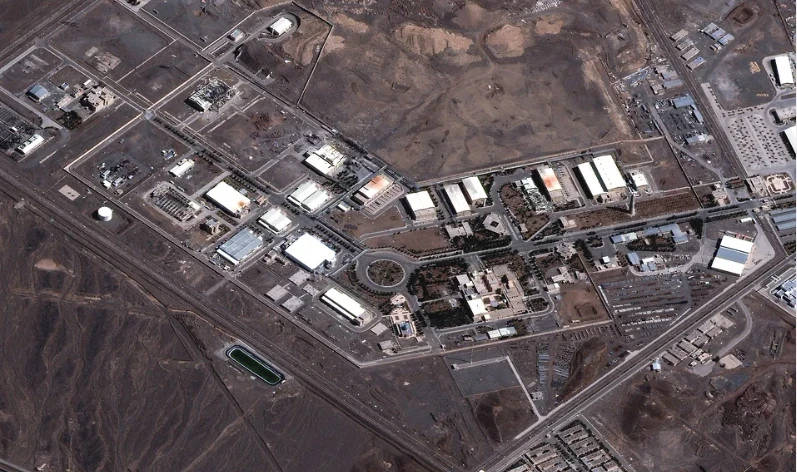
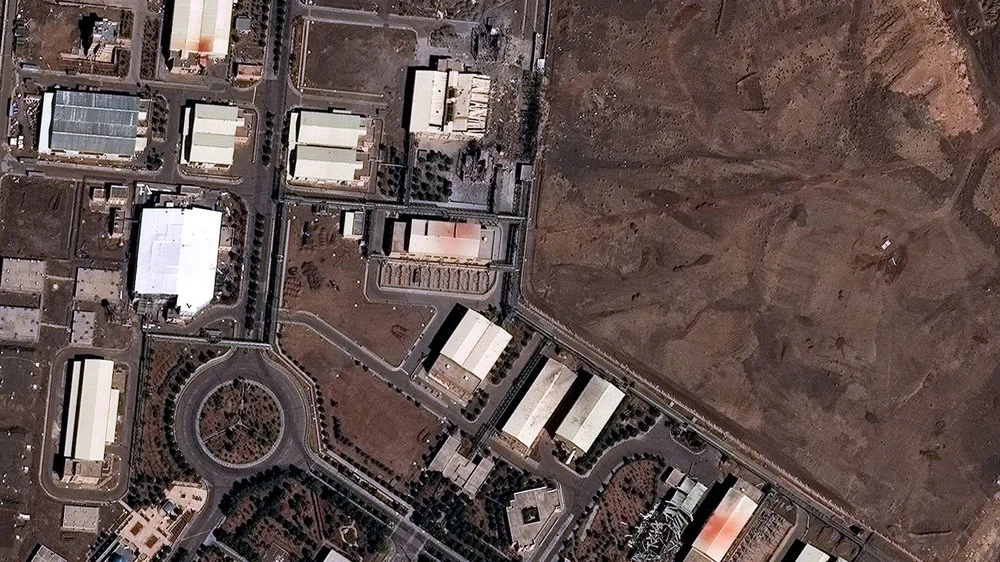
On March 21, the U.S. and Israel also struck a well-known Iranian facility - the uranium enrichment complex in Natanz. At that time, the IAEA did not record an increase in radiation levels in the area, and the Iranian Atomic Energy Organization (IAEO) confirmed the absence of leaks of radioactive materials and danger to the population.
The Natanz complex includes both above-ground and underground facilities with more than 10,000 centrifuges. According to the IAEA, uranium enrichment at this site was conducted up to 60%. For the operation of a nuclear power plant, enrichment to 3-5% is required, while for the creation of nuclear weapons, a level of 90% must be reached.
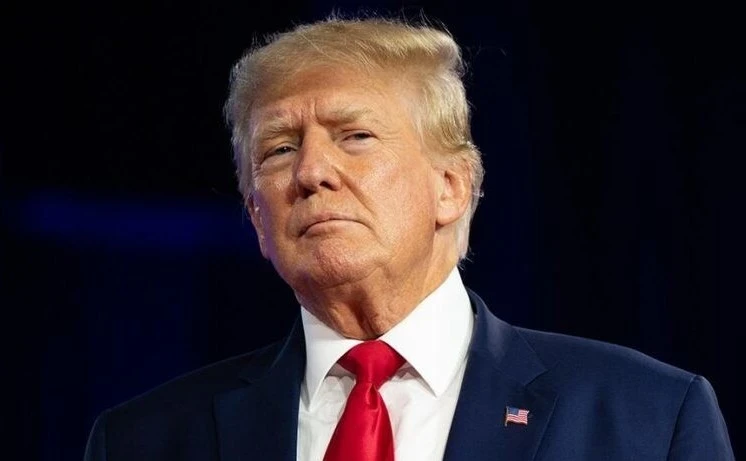
Like the reactor in Khondab, Natanz was also targeted during the U.S.-Israeli operation in 2025. In this case, the above-ground centrifuges were destroyed, while the fate of the underground ones remained uncertain. U.S. President Donald Trump stated that Iran's main nuclear facilities were "completely destroyed," and it could take years to restore them.
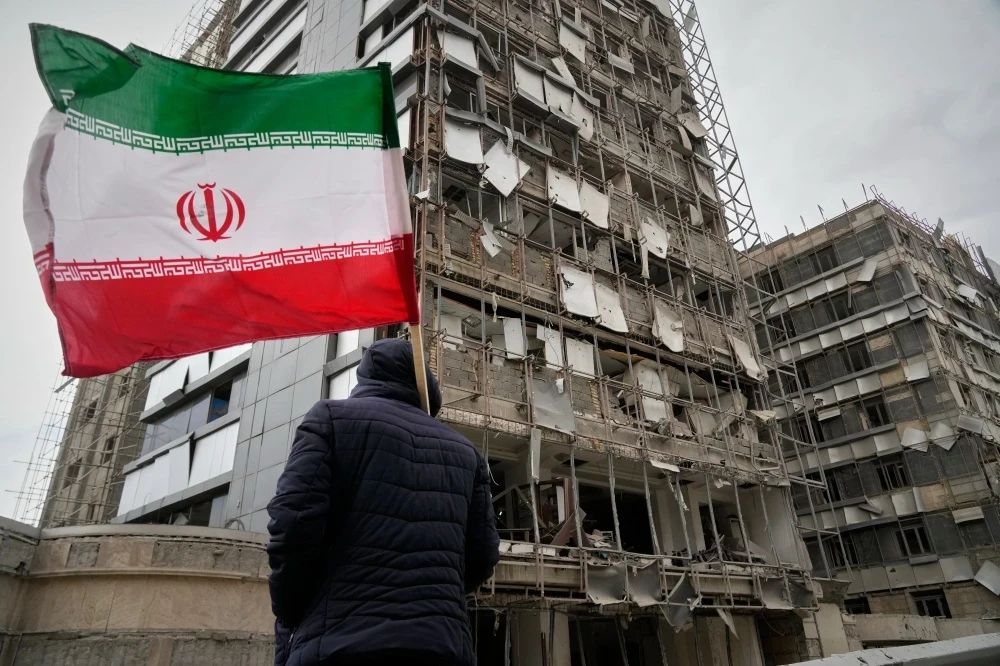
Since February 28, the United States and Israel have been conducting airstrikes on Iran, resulting in the deaths of high-ranking Iranian officials, including Supreme Leader Ayatollah Ali Khamenei.
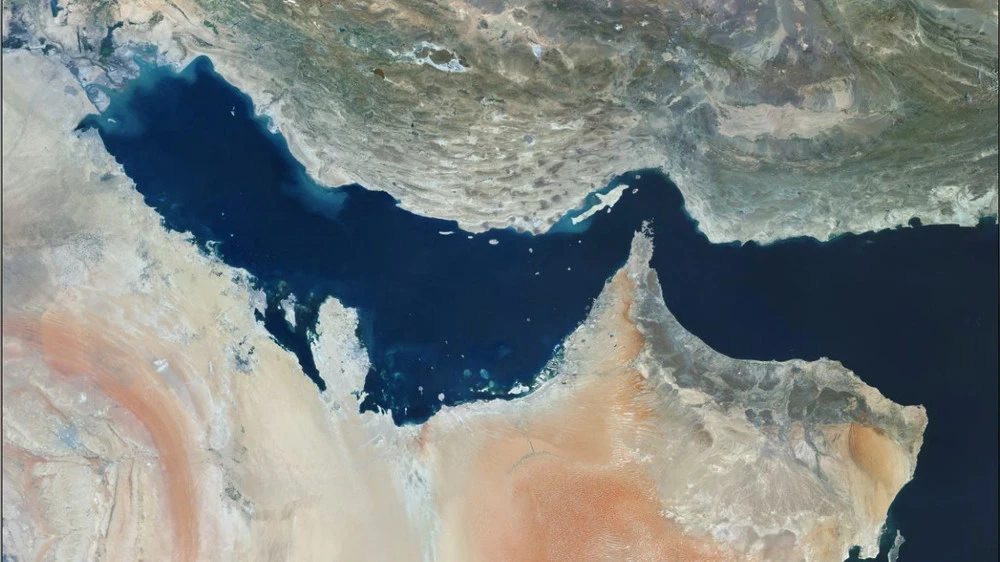
In response, Iran is attacking Israel and Gulf countries using missiles and drones, claiming that the main targets are U.S. military bases in the region. The attacks also affect oil storage facilities in the Persian Gulf and tankers.