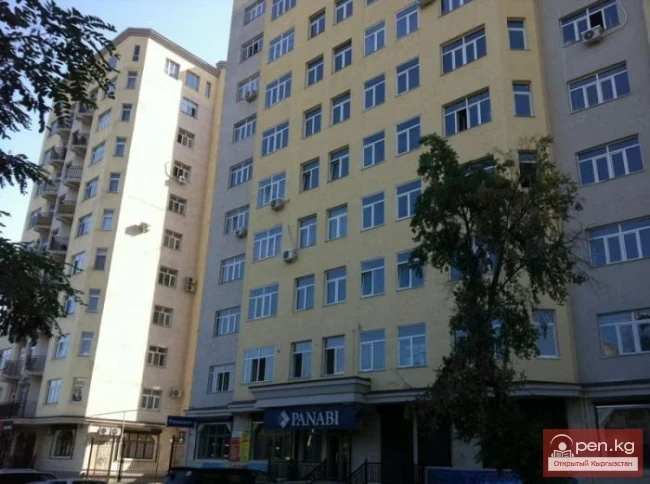
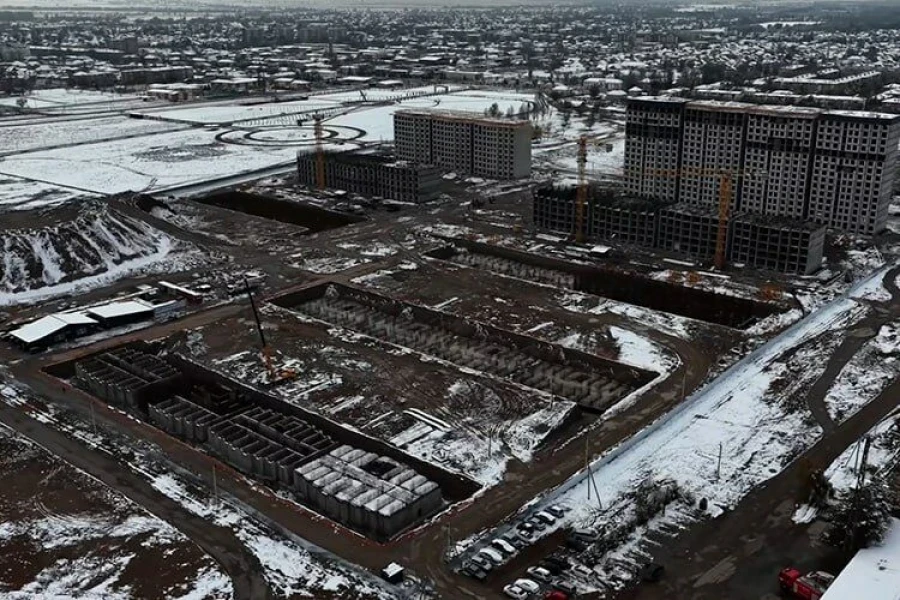
Private construction companies are also actively participating in this process, which will lead to a significant increase in the capital's housing stock and an increased load on the city's infrastructure.
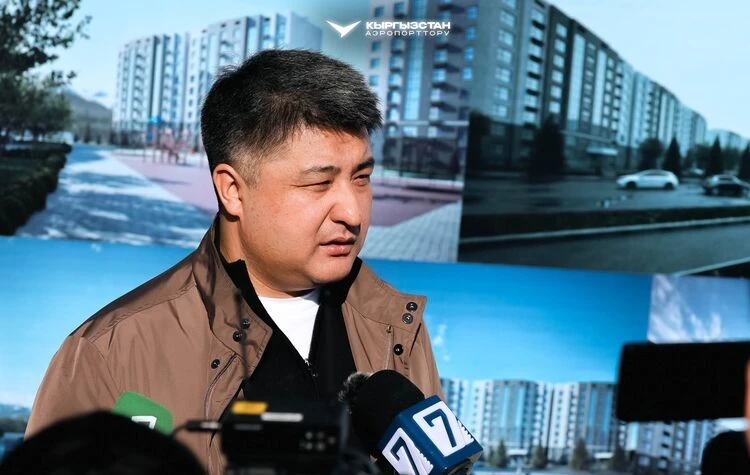
During the discussion of the general plan for Bishkek, journalists raised the question of how the new construction will affect the infrastructure and whether there will be problems with sewage in the city.
The Deputy Head of the Bishkek Main Department for Urban Planning and Architecture, Aziret Akimov, assured that such problems do not threaten the city.
“These buildings and structures are already in the process of implementation, and they have the necessary solutions. The general plan covers all aspects of the city's functioning, including transport, engineering infrastructure, ecology, and landscaping. The St. Petersburg Institute, as part of the general plan development, will address engineering infrastructure issues,” he noted.
“Engineering infrastructure, schemes, and certain drawings in our country are protected for state security purposes. However, I can confidently say that issues of water supply, sewage, wastewater treatment facilities, gas supply, and heating supply are also being thoroughly worked out,” Akimov added.As part of this work, the modernization of existing wastewater treatment facilities and the construction of new ones in the northwest of the city are planned. There will also be the exploration of new water supply sources, in addition to the Orto-Alysh and Bashkara-Suy deposits, with the prospect of working at the Issyk-Ata site. The modernization of gas networks and the commissioning of new heating points using natural gas, including CHPP-2, are also in the plans. All these areas of work are being carried out in parallel with the approved portion,” he concluded.