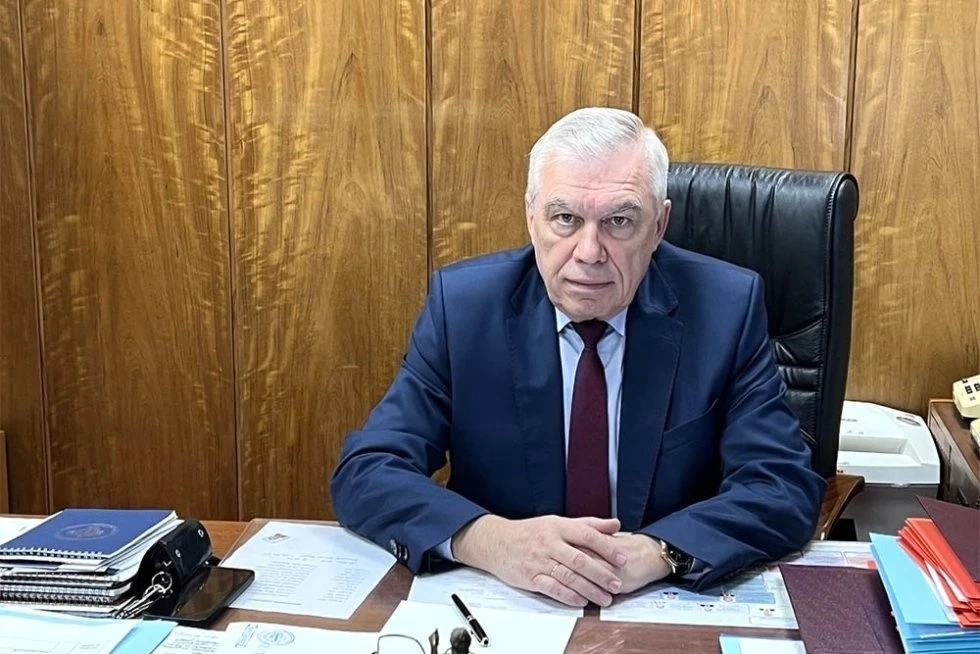
In an interview with "Rossiskaya Gazeta," the Deputy Secretary of the Security Council of Russia, Alexander Grebenkin, discussed important aspects of the new migration policy, as well as the associated security threats to the country and changes regarding the permanent residence of foreign citizens in Russia.
Alexander Nikolaevich, the new presidential decree, which defines the Concept of State Migration Policy for 2026-2030, came into effect a month ago. How does it change the previous policy laid out in the 2019-2025 Concept?
Alexander Grebenkin: The new concept emphasizes that the migration situation should contribute to solving tasks related to national security. The security of the country is now one of the key principles of migration policy.
Migration of foreign citizens is no longer an auxiliary tool for solving demographic problems; it is merely an addition to economic measures. This means that foreigners cannot expect to obtain permanent residence in Russia without justification, except for a few categories. After the legal period of stay expires, they must leave the country. Restrictions are also being introduced on the stay of non-working and non-studying family members of migrants. These changes will help prevent the formation of ethnic enclaves in various regions of Russia.
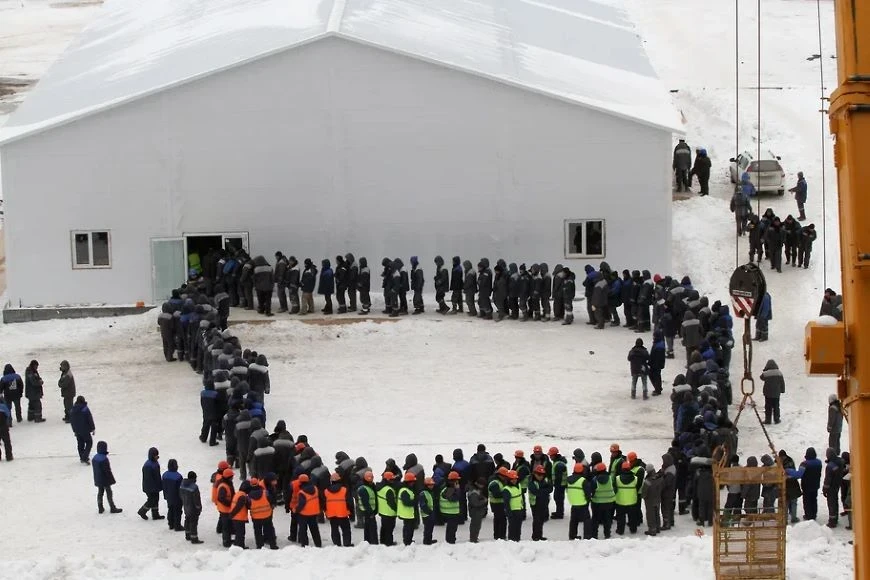
As for labor migration, the focus is on the transparency of processes for attracting foreign workers and monitoring them. Employers will be encouraged to use organized forms of recruitment and to increase responsibility for compliance with legislation by migrants. It is also important to improve mechanisms for targeted recruitment of foreign workers and to create the necessary infrastructure in their countries. This work is already actively being conducted with the governments of Uzbekistan, Tajikistan, and Kyrgyzstan.
You mentioned that the security of the country is a priority. Who currently poses a threat to Russia?
Alexander Grebenkin: Over the past six years, there have been significant changes in the migration sphere. New challenges to national security have emerged, related to the actions of unfriendly states and international radical groups that are trying to undermine the interests and security of Russia through migration. This destructive activity aims to destabilize the internal political situation and create tension in interstate relations with the countries of origin of migrants.
The qualitative characteristics of migration flows have also changed. Many arriving foreigners have different cultural and educational backgrounds. Over the past 5-7 years, there has been an increase in the number of young migrants from former Soviet republics who lack experience living alongside Russians and often have poor command of the Russian language. This creates problems and leads to increased tension in society.
Moreover, the number of family members of migrants is increasing, which leads to the formation of compact ethnic groups and creates additional pressure on social infrastructure.
One might ask why these problems were not noticed earlier?
Alexander Grebenkin: The situation in the migration sphere has not been ignored. In recent years, especially in 2024 and 2025, significant measures have been implemented to strengthen migration control. For example, the list of categories of foreign citizens subject to fingerprint registration and medical examination has been expanded. Over the past three and a half years, biometric data for more than 12.4 million foreigners have been collected, which is 500,000 more than in the previous five years.
Furthermore, with the start of the special military operation, the opportunities for resettling compatriots and citizens from unfriendly countries have increased.
Alexander Grebenkin: Yes, thanks to biometric information, it has become more difficult for lawbreakers to return to Russia under false names. In Moscow, more than 1.8 million cards have already been issued to foreign citizens, containing a QR code to simplify the verification of their status.
Starting from February 2025, new deportation rules will be introduced for foreigners who have lost their grounds for staying in Russia. Data on more than 775,000 migrants have been added to the register of controlled persons. Legislation also provides for liability for providing services to foreigners listed in this register.
The biometric database of the Ministry of Internal Affairs contains data on more than 12.4 million migrants. Photo: Arkady Kolybalov
Additionally, starting January 1, 2025, a general period of temporary stay for visa-free foreigners has been established, which cannot exceed 90 days within a year. This is half of the previous norms, and the period can only be extended with justification, such as employment or study.
How can illegal migrants be tracked more easily?
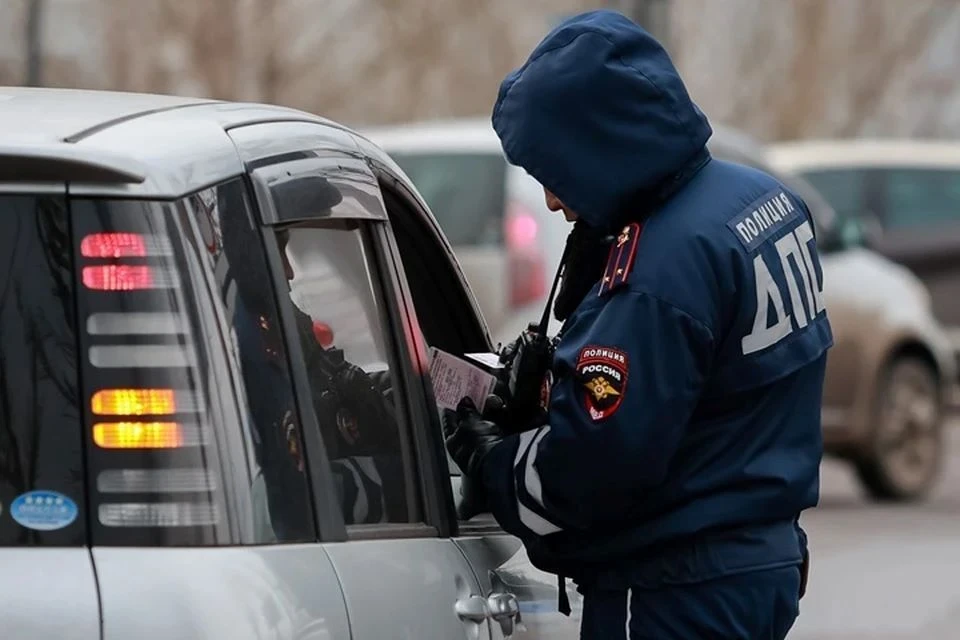
Alexander Grebenkin: To quickly remove illegal migrants, the Ministry of Internal Affairs has the authority to make decisions on expulsion and to use modern electronic means of control to determine their location.
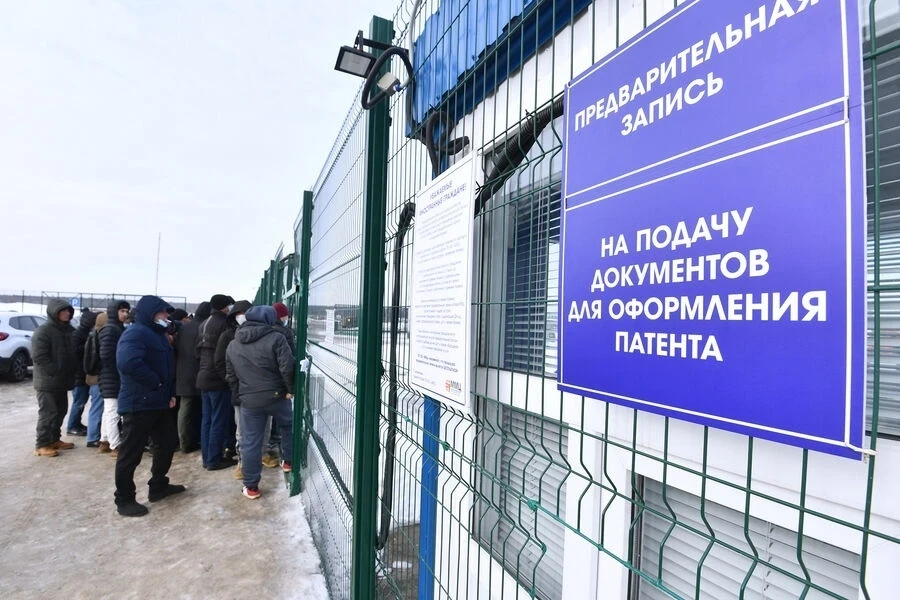
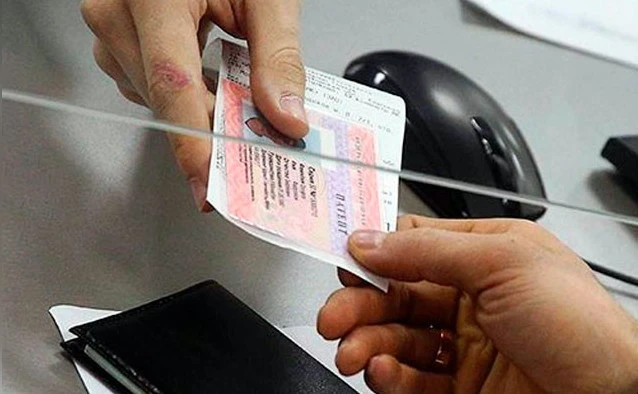
An important innovation is that having a work patent no longer guarantees the right to stay in Russia. Since January 2024, there has been an obligation to notify the Ministry of Internal Affairs about employment within two months after obtaining the patent. This year, nearly 60,000 patents have been revoked for non-compliance with this requirement.
Have there been scandals regarding Russian language exams for migrants?
Alexander Grebenkin: Yes, now the rules for conducting exams and issuing certificates of proficiency in the Russian language are clearly regulated. Only state institutions can conduct this procedure to avoid corruption. This year, 7,300 work permits have been revoked due to insufficient language proficiency.
Starting April 1, 2025, requirements for testing children of only legally residing foreign citizens in Russia on their knowledge of the Russian language will come into effect, as well as mandatory fingerprint registration starting at age 6.
Not long ago, a Service for Citizenship and Registration of Foreign Citizens was established based on the Main Directorate for Migration of the Ministry of Internal Affairs. What results have already been achieved?
Alexander Grebenkin: It is too early to talk about results, but the reform is based on the experience of law enforcement activities in the migration sphere. For example, since 2023, there has been a threefold increase in the number of detected crimes related to illegal migration, and the number of solved crimes increased by 81.4% in 2025 compared to 2024.
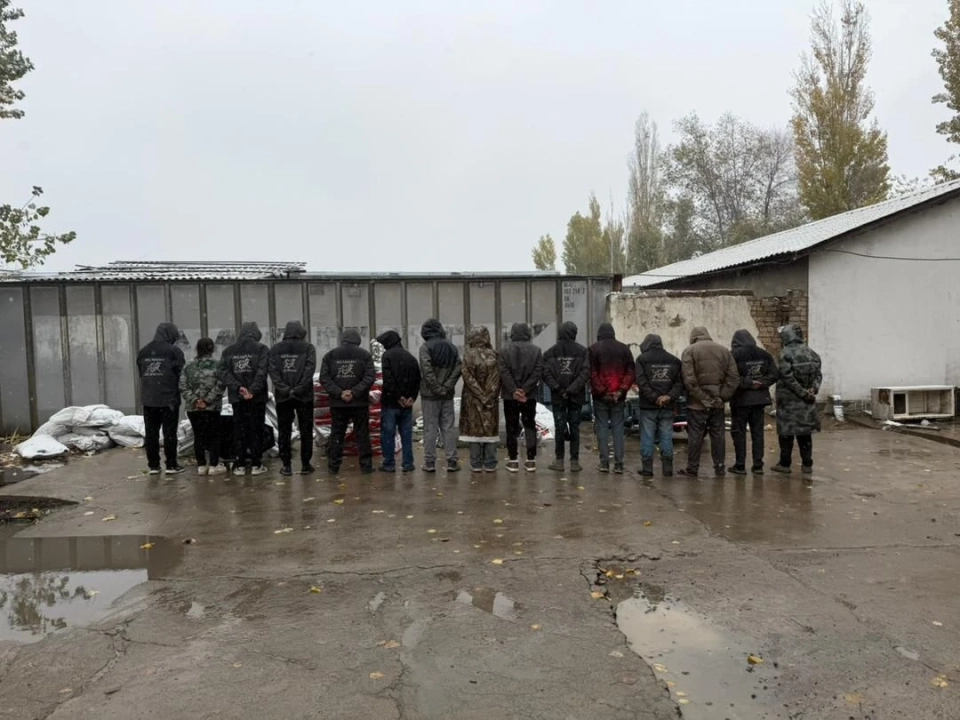
As a result of the measures taken, the number of foreign citizens illegally residing in Russia has decreased by more than three times.
The number of administrative protocols over the past 2.5 years has amounted to about 7.2 million. The number of decisions on expulsion and entry bans has increased, as well as the number of identified foreigners evading departure.
In recent years, digital projects for migration control have been launched. How successful are they?
Alexander Grebenkin: Yes, an experiment is being conducted at border crossing points to collect biometric data. Since the launch of the project, more than 7 million biometric data have been accumulated, and more than 40,000 individuals with forged documents or entry restrictions have been identified.
In June 2025, the second phase of the project began, which includes pre-approval of trips for foreign citizens through a special mobile application. About 94,100 such applications have been processed, 91,800 trips have been approved, and more than 2,300 citizens with entry restrictions have been identified.
Starting September 1, 2025, an experiment will begin in Moscow for the registration of labor migrants, whose monitoring will be conducted through the mobile application "Amina." This project will last until 2029, after which it is planned to expand it nationwide.
The state is also developing a "Digital Profile of a Foreign Citizen," which will contain data on all migrants in Russia. Various federal authorities are participating in this process.
These pilot projects are a step towards the digitalization of migration processes. For example, migration registration can be carried out through the Unified Portal of State Services. In 2025, this service was used more than 5.5 million times, accounting for over 45% of all registrations.
Speaking of migration, does our government not forget about compatriots from the Baltic States and Central Asia, as well as citizens of Western countries wishing to obtain Russian citizenship?
Alexander Grebenkin: With the start of the special military operation, opportunities for resettling compatriots and foreigners facing rights violations have increased. Families from Germany, Latvia, the USA, and other countries are already moving to Russia. We pay attention to this, and the new concept emphasizes attracting foreigners who share Russian values and can contribute to the economy and culture of the country.
Work in this direction has already begun. Since September 1, 2024, more than 2,300 applications for temporary residence have been submitted, and nearly 2,000 of them have been approved. Measures of support for the adaptation of such migrants are being developed in collaboration with other agencies. Additionally, the number of repatriates wishing to participate in the program for facilitating voluntary resettlement is increasing.
To date, more than 5,300 repatriates and their families have been registered with the internal affairs authorities.