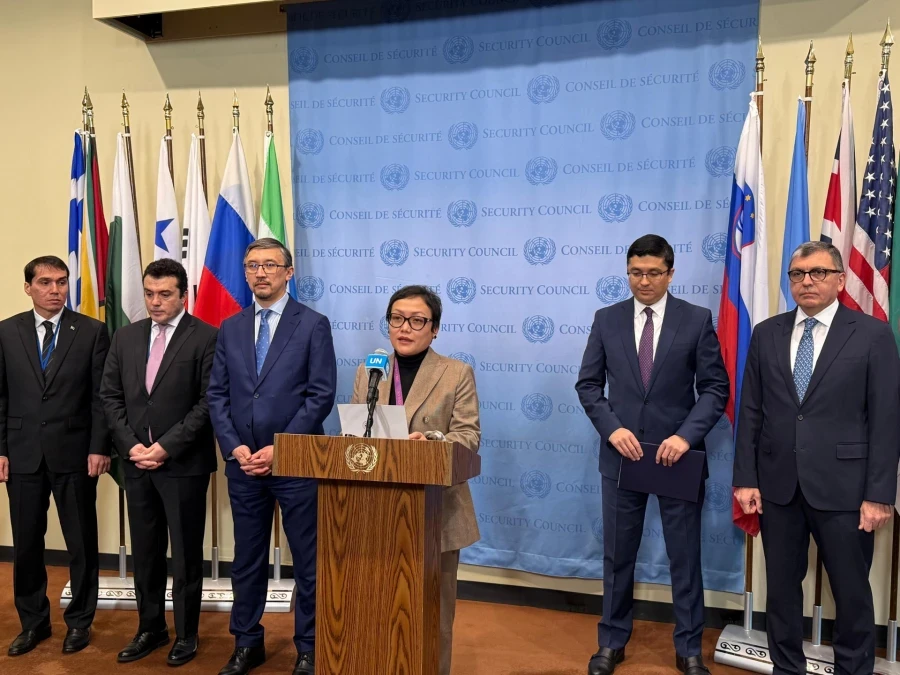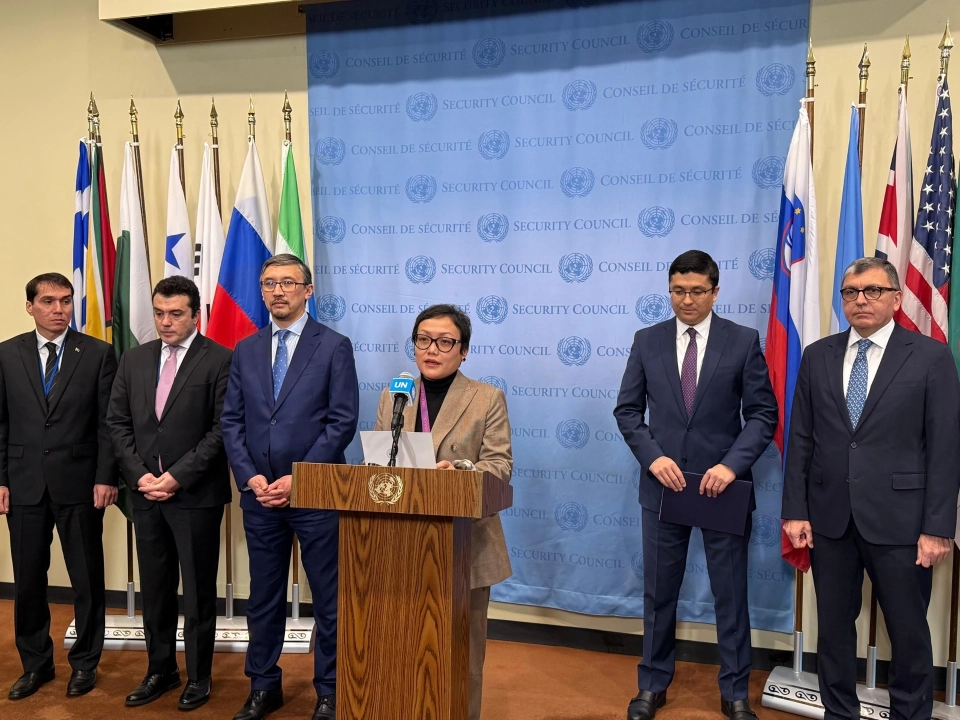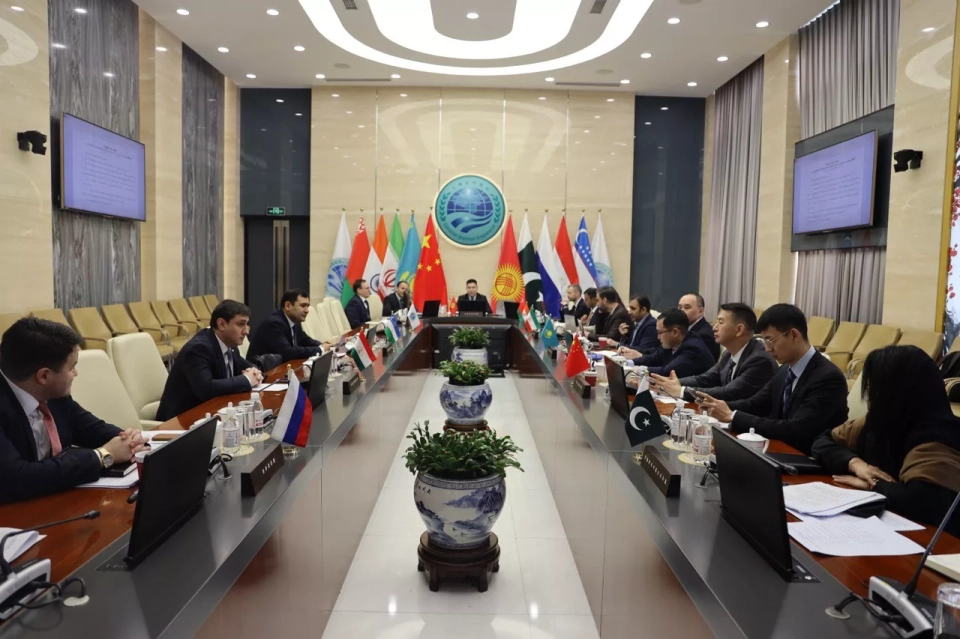
The meeting, held on December 15 under the chairmanship of Germany, was organized at the initiative of Kyrgyzstan and showcased the successes of Kyrgyzstan, Tajikistan, and Uzbekistan in resolving cross-border disputes.
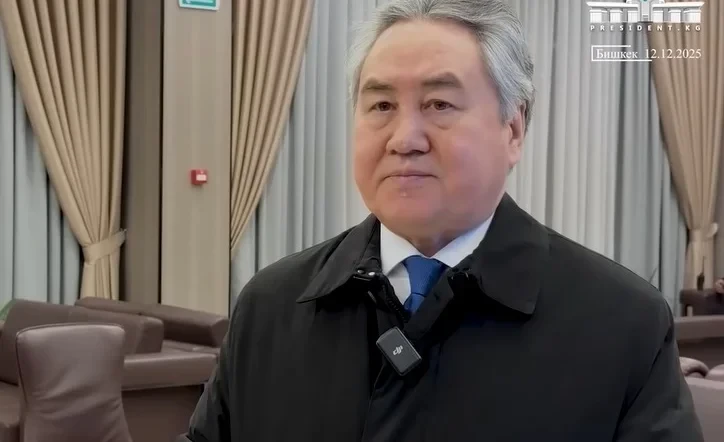
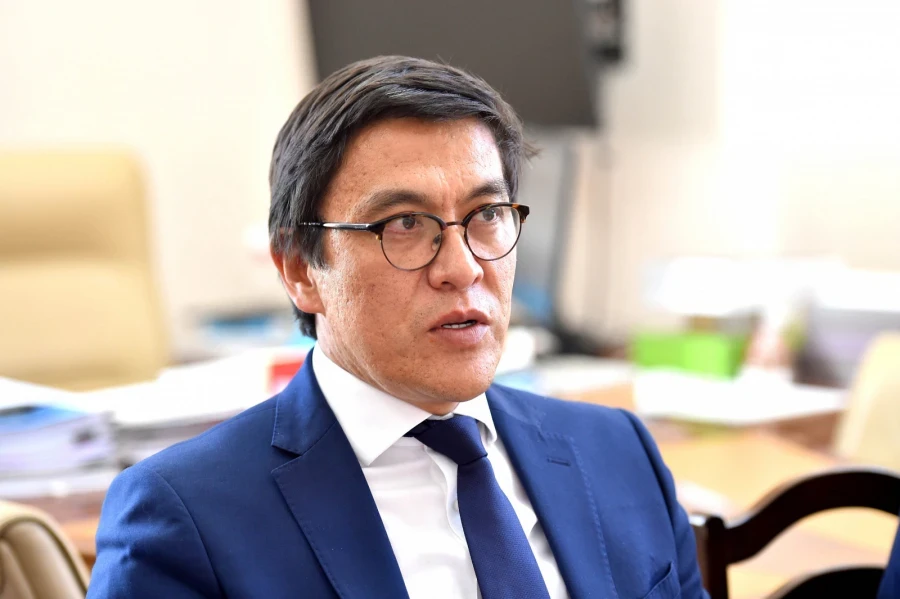
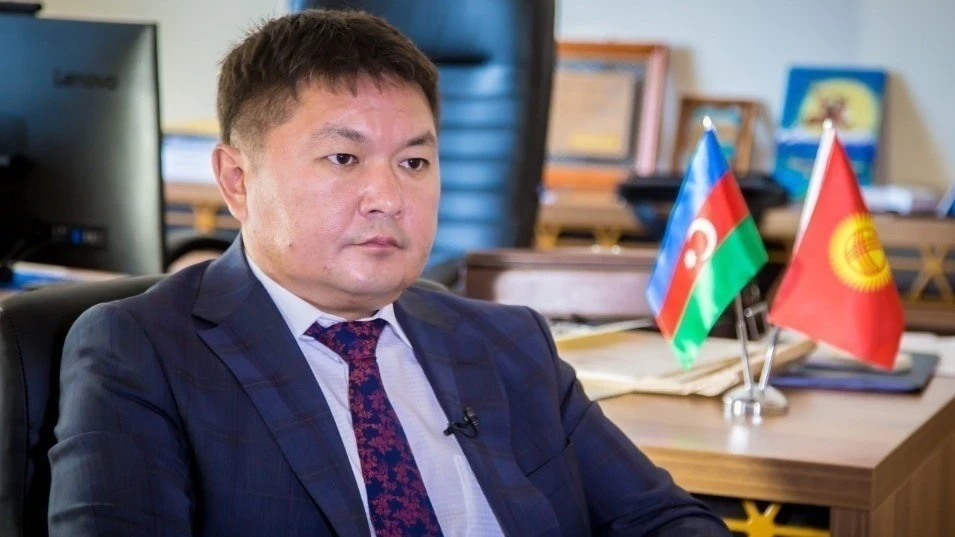
The First Deputy Minister of Foreign Affairs of Kyrgyzstan, Asein Isaev, noted that the countries of the region demonstrated how "even the most complex and historically sensitive issues can be resolved peacefully through dialogue and mutual respect."
In recent years, the three states have shown political will and diplomatic maturity, striving to resolve border issues exclusively within the framework of international law.The meeting gathered representatives from more than 80 UN member states. Delegations from Morocco, Poland, South Africa, Armenia, the EU, Russia, the USA, Japan, Pakistan, Cambodia, Australia, the Netherlands, Kazakhstan, Azerbaijan, Brazil, India, Austria, and Thailand expressed support for the agreements reached and noted that the experience of Central Asia can serve as an example of successful resolution of sensitive issues due to the political will of leaders.
It was also noted that the meeting generated significant interest among UN members in the processes occurring in Central Asia.
During his visit to the UN headquarters, Asein Isaev participated in a Security Council meeting dedicated to the theme "Leadership for Peace." He emphasized that successful leadership in ensuring peace in Central Asia must be based on cooperation that takes into account the interests of citizens and confirmed Kyrgyzstan's intention to promote peace and stability through dialogue.
Additionally, Isaev met with the President of the UN General Assembly, Annalena Baerbock, where they discussed issues of Kyrgyzstan's interaction with the UN and current international topics. There was also a meeting with Julia Moner, the Director-General of the German Foreign Ministry for Peacebuilding and Stabilization.
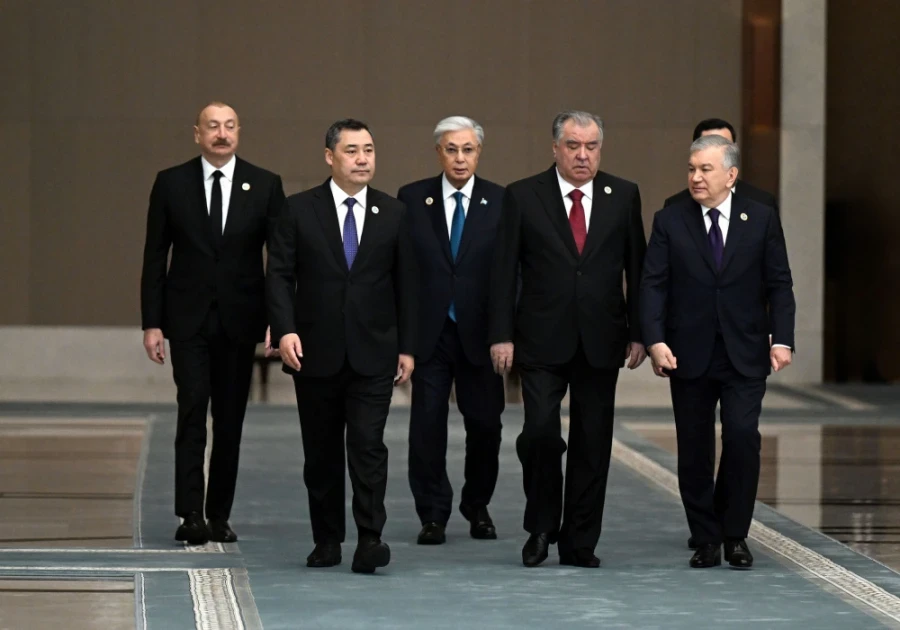
The photo on the main page is archival: press service of the President of the Kyrgyz Republic.