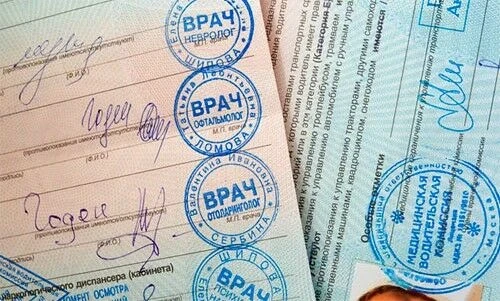
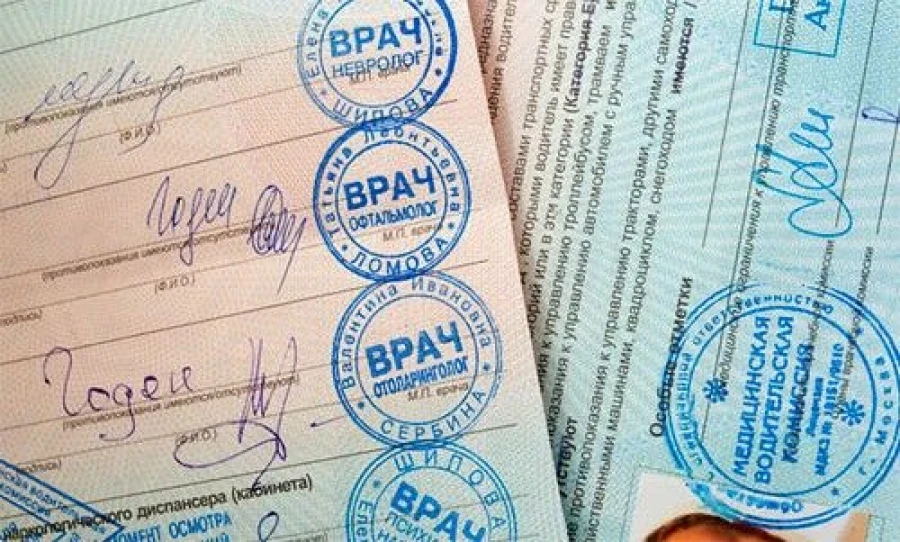
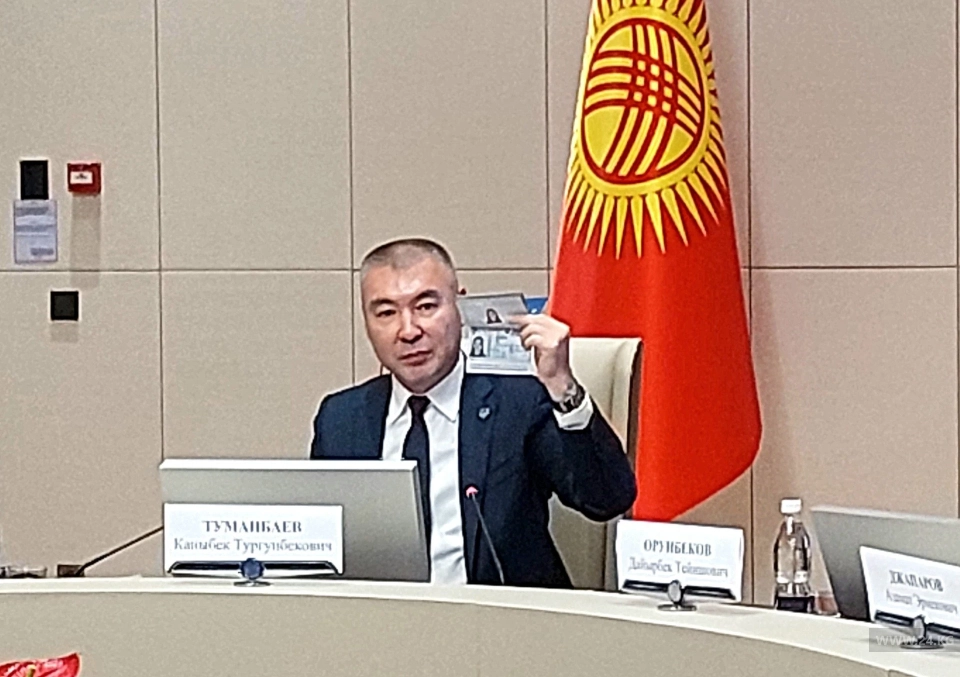
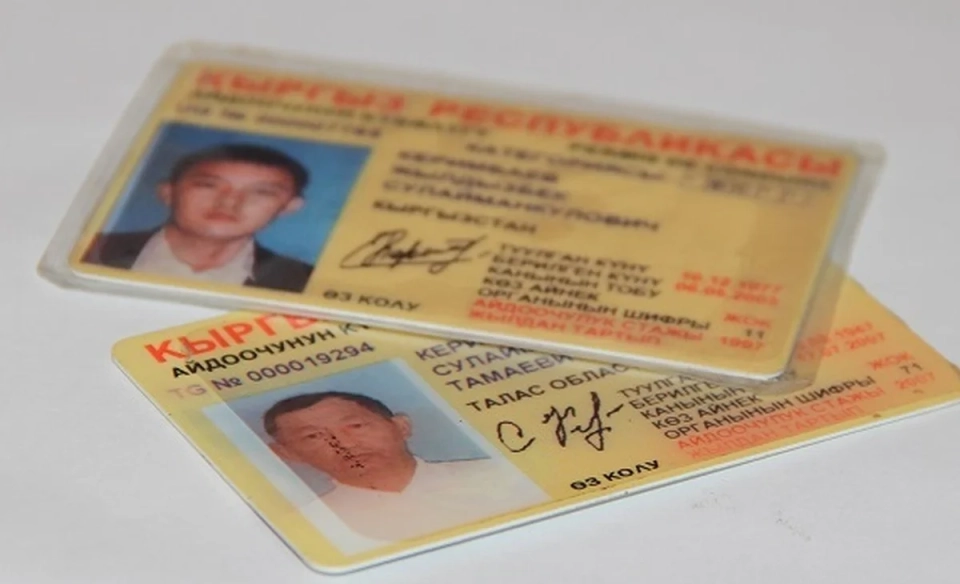
In Kyrgyzstan, it is now possible to replace indefinite driver's licenses without the need to provide a medical certificate of form 083. This was announced by Kanbek Tumanbaev, the head of the president's office.
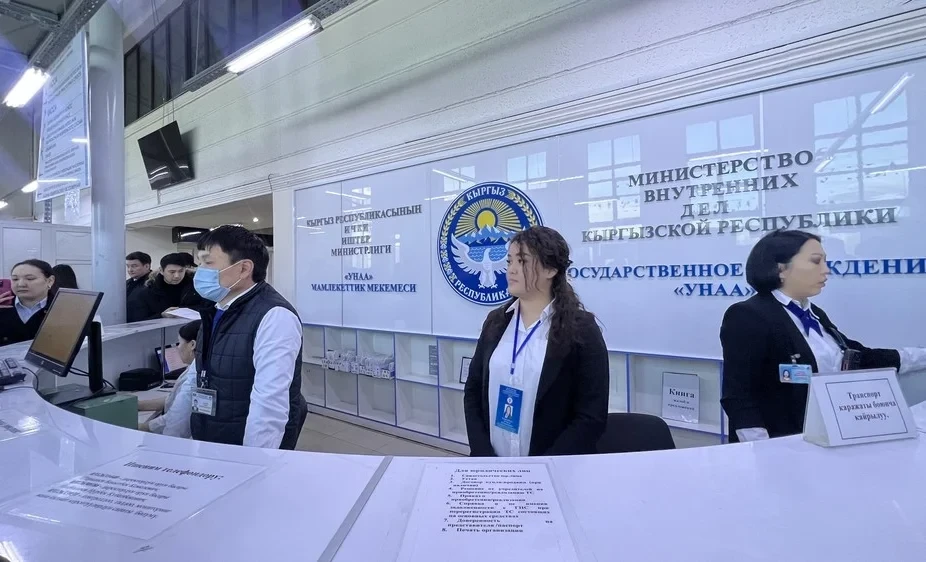
Today, Tumanbaev conducted an inspection at the State Center for the Registration of Vehicles and Driver Personnel, where the process of replacing licenses is taking place. During his visit, he interacted with citizens and explained in detail the procedure for obtaining this service.
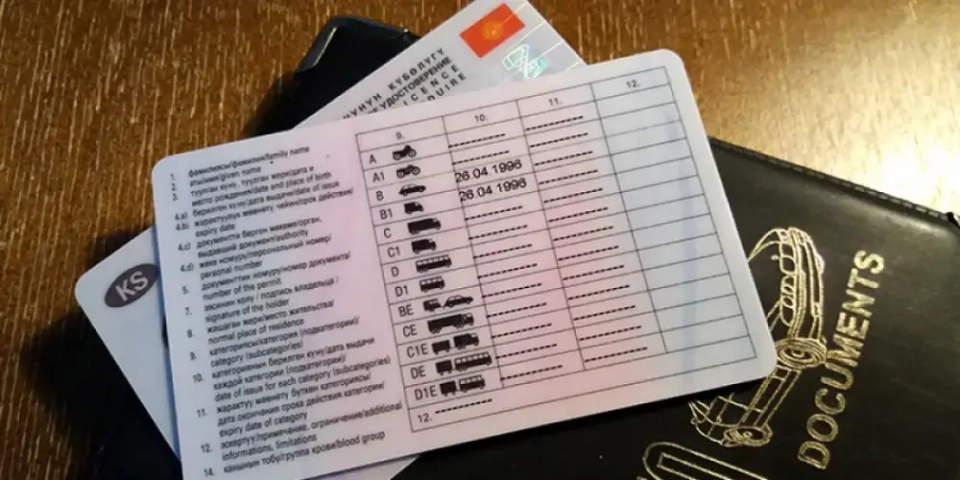
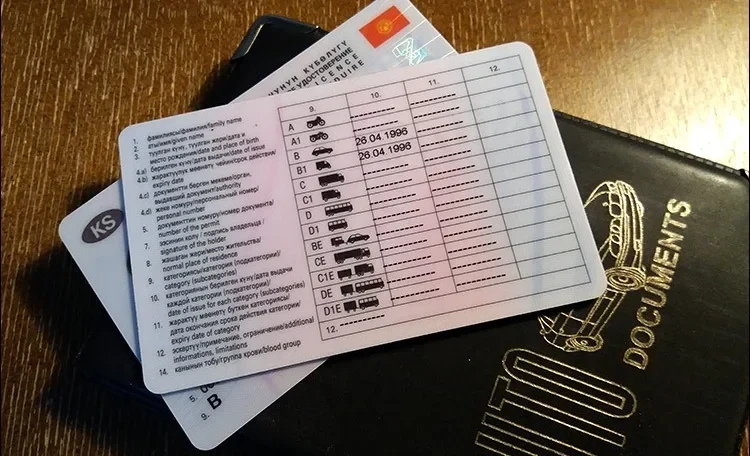
The head of the president's office explained why it is important to update indefinite driver's licenses. According to him, old licenses do not support a digital format and are not recognized by several neighboring countries, which creates difficulties outside of Kyrgyzstan. In this regard, the transition to new samples is necessary for the legalization of documents and compliance with modern international standards.
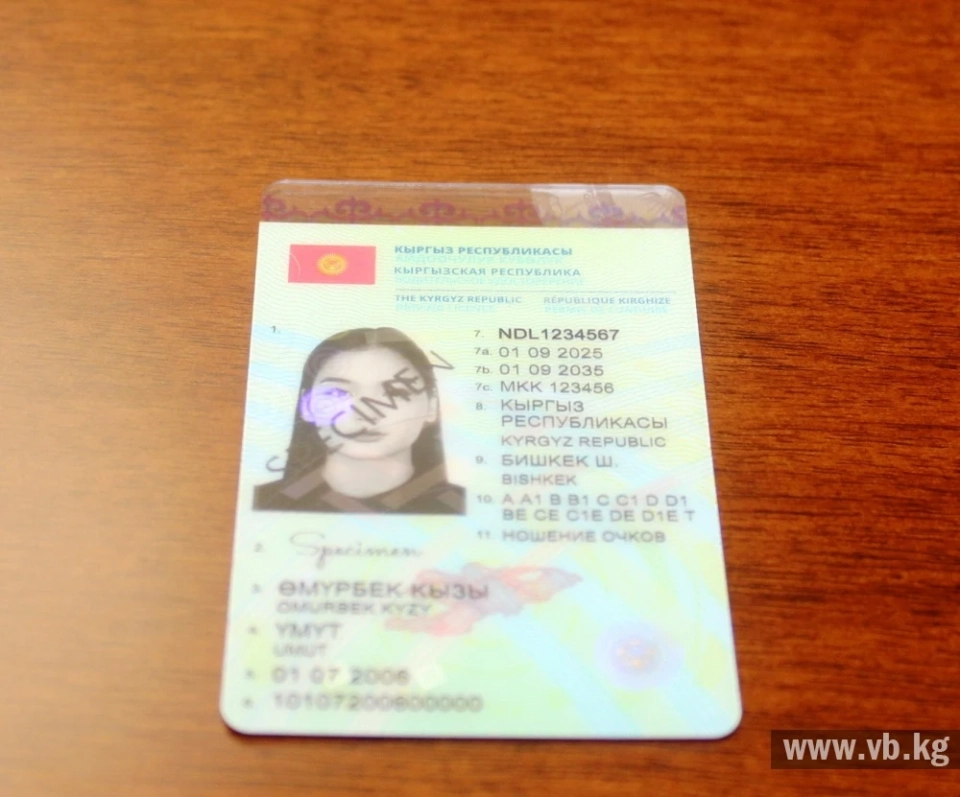
Tumanbaev also noted that old licenses have a low level of protection. They often use outdated photographs, which complicates identity verification and increases the risk of abuse, such as the use of licenses by other individuals. The new documents have improved security features, which eliminates such cases and facilitates the work of road safety officials.
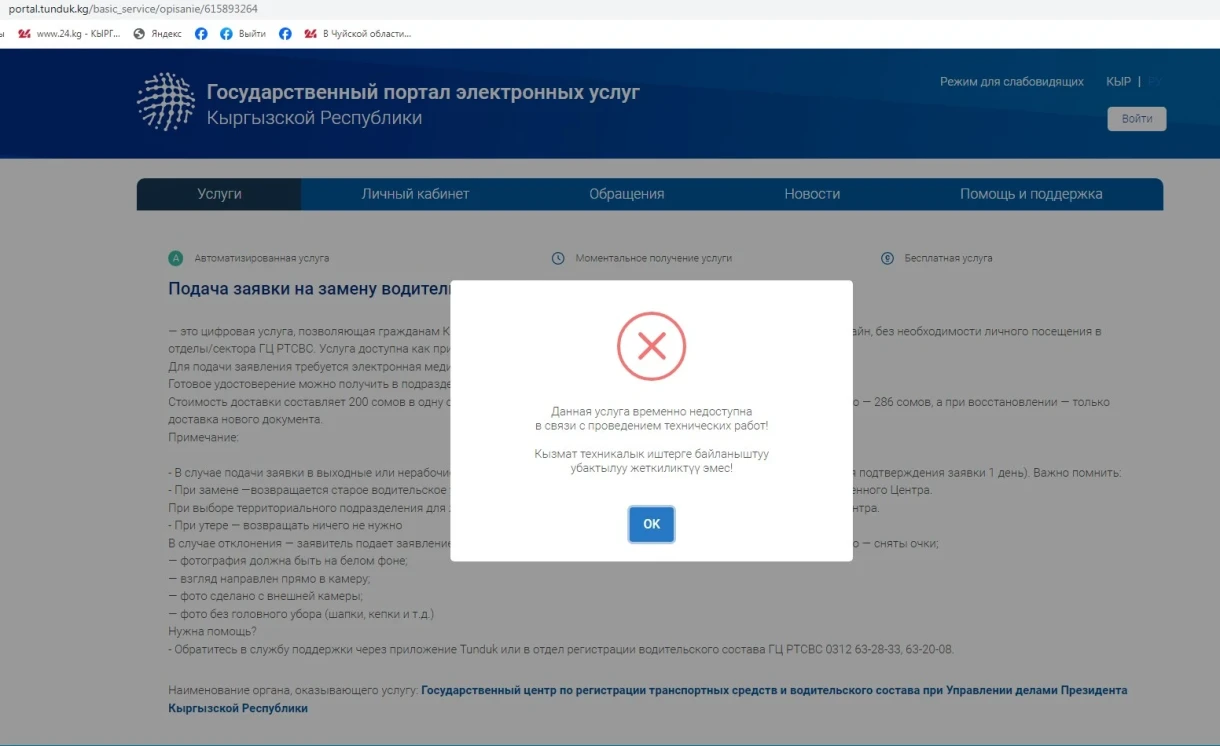
Additionally, he added that previously, when applying through the "Tündük" system, a medical certificate of form 083 was automatically required. However, starting from Monday, this requirement will be removed for the replacement of old licenses. This innovation will allow citizens to process the replacement of driver's licenses online, without leaving their homes.
At the end of his visit, Tumanbaev urged citizens to follow the established procedure to avoid queues:
• those whose licenses are not digitized and do not appear in the "Tündük" system must apply in person for document replacement;
• those whose licenses are in the "Tündük" system are recommended to process the replacement online, without visiting the center.
This initiative aims to enhance the security of documents, improve convenience for citizens, and optimize the work of government agencies.