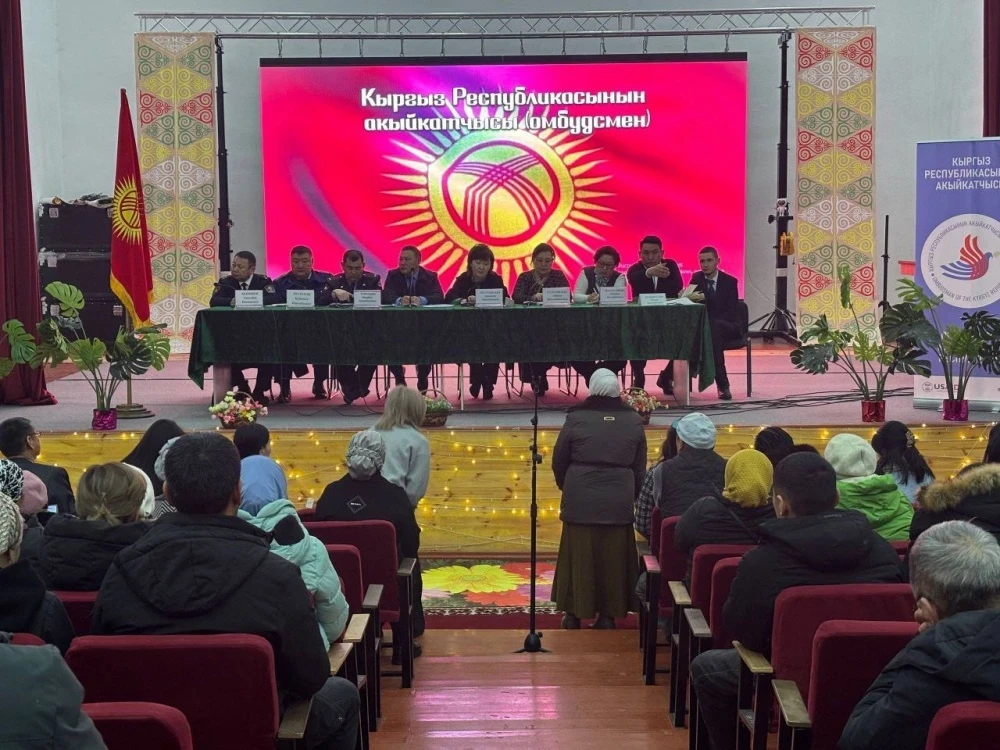
Analysis of citizens' appeals and monitoring of court hearings conducted by the Akikatchy Institute in 2025 revealed numerous persistent problems within the judicial system. One of the most significant issues is the failure to adhere to court schedules: hearings often start late, are postponed, or rescheduled.
According to the monitoring, every second hearing is delayed, and out of 270 analyzed cases, 112 (41.5%) were postponed.In 2025, the institute received 816 complaints and appeals concerning the protection of citizens' rights in courts. In most cases, the applicants expressed disagreement with the court decisions. Among these, 57 concerned issues already under consideration by the courts, 56 were related to alimony disputes, 35 involved actions or inactions of judges, and 19 pertained to the enforcement of court decisions and the work of court bailiffs.
Additionally, throughout the year, 572 requests for monitoring court processes were recorded. Of these, 57.8% were related to criminal cases, 32.9% to civil cases, and 9.6% to administrative cases. Citizens most frequently requested independent observation of court hearings to ensure compliance with procedural guarantees and the principle of transparency.
More than 61% of observations were conducted in first-instance courts, that is, in district courts.
As noted by the institute, the main reasons for the disruptions in hearings are the judges' busy schedules, a lack of courtrooms, and the non-appearance of process participants. This, in turn, prolongs proceedings and limits citizens' right to timely justice.
Jamiliya Dzhamanbaeva sent recommendations to the Supreme Court to address the identified violations. In particular, it is proposed to strengthen control over adherence to schedules, ensure timely consideration of cases, keep track of the reasons for postponements and take measures to eliminate them, as well as equip all courtrooms with audio and video recording systems.