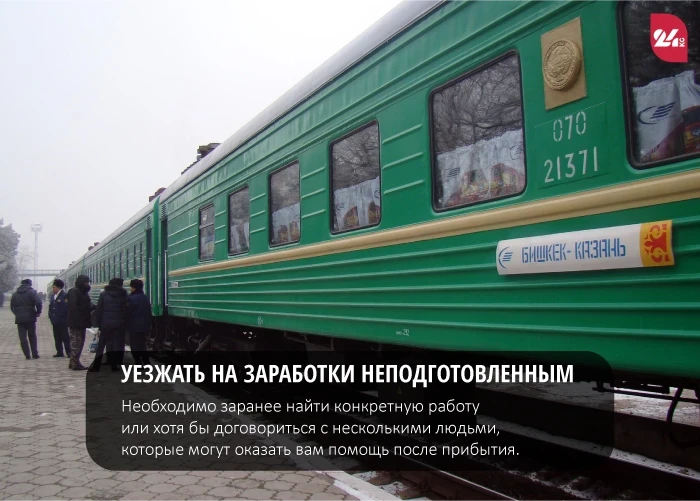
According to the report, the majority of surveyed migrants previously worked in Russia. This underscores Tajikistan's ongoing dependence on the labor migration market of the Russian Federation, despite changes in legislation and the increase in administrative barriers for foreign workers.
Migration Trends and Social Profile
The socio-demographic characteristics of returned migrants have not changed significantly since previous surveys: the majority are men of working age, while women make up a significantly smaller share, reflecting the gender characteristics of labor migration.
Factors of Return: From Seasonal Contracts to Pressure
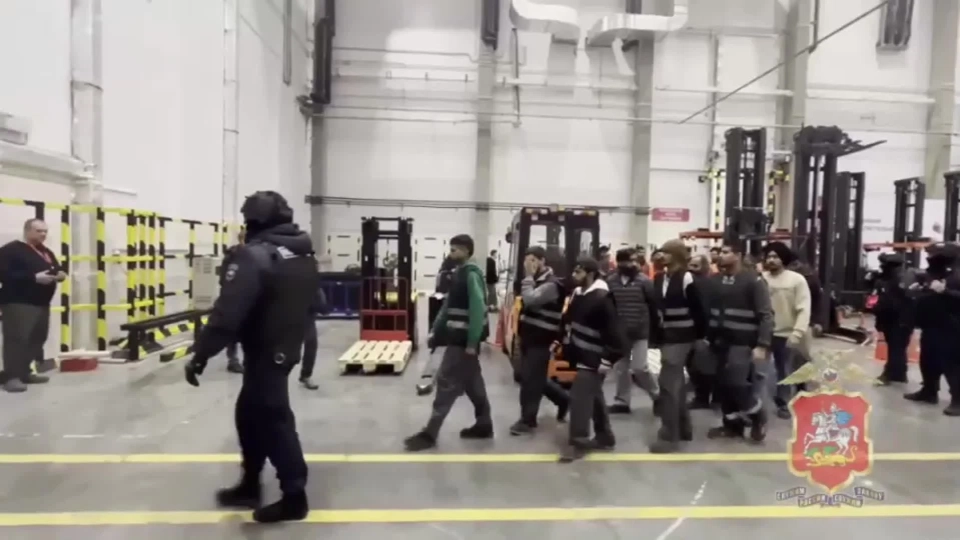
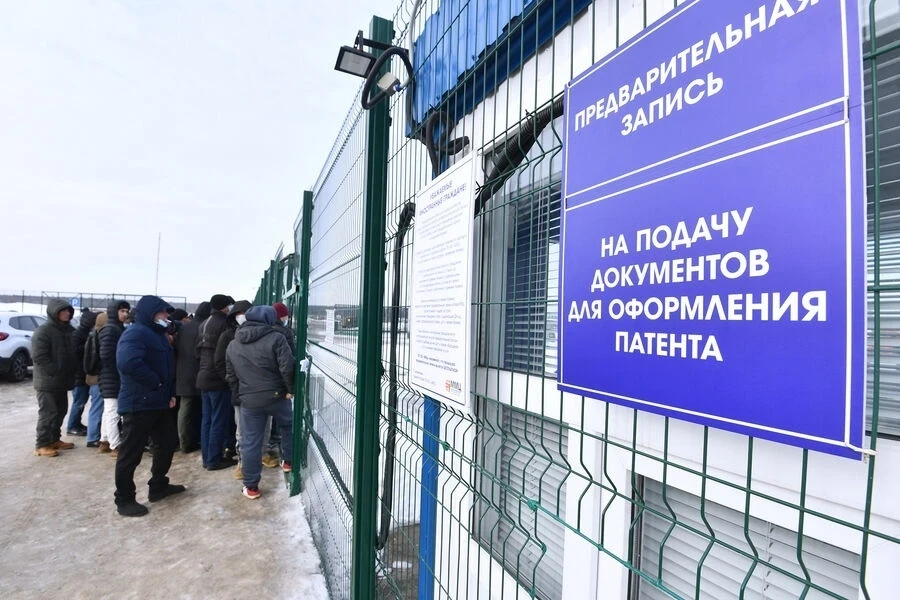
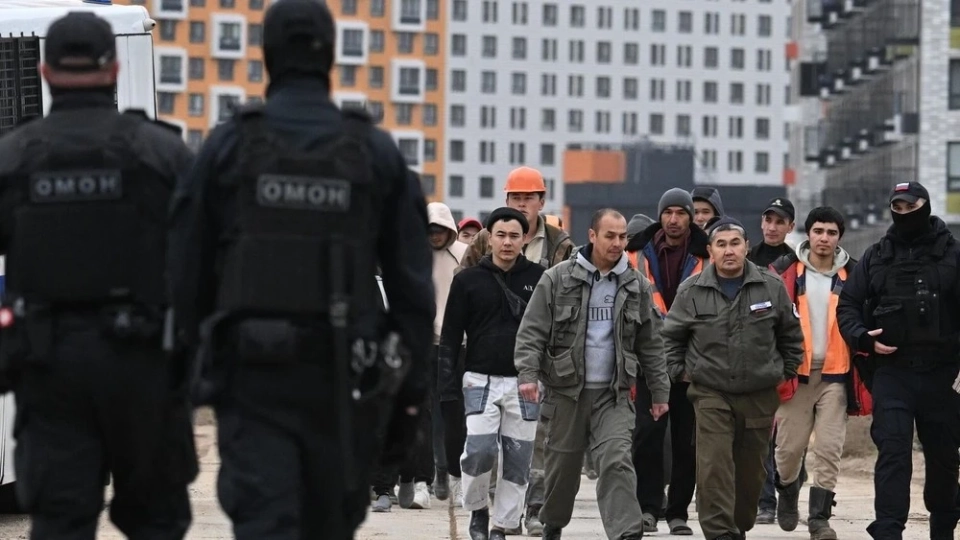
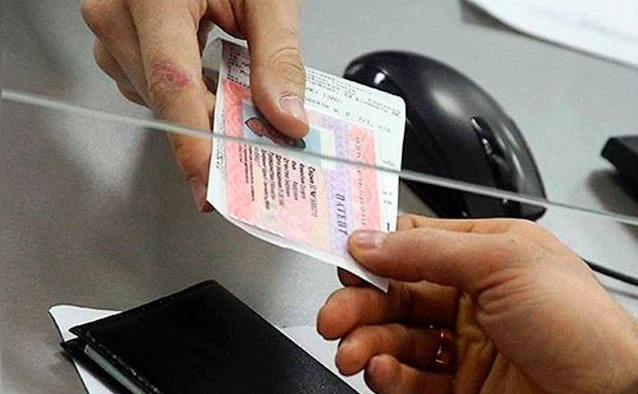
The survey identified several reasons contributing to the return of migrants to Tajikistan. These include the completion of labor contracts, lack of stable employment, issues with documentation, as well as tightening migration control and uncertainty in working conditions.
Many respondents view the possibility of going abroad again as the only way to secure their income in the future, indicating that return is not always final.
Economic Instability After Return
The survey results show that returned migrants often face unfavorable economic conditions. Although some return with small savings, for most, this is insufficient for economic stability. Money transfers received while working abroad primarily go towards everyday expenses such as food, housing, and children's education.
After returning, many migrants encounter a lack of job opportunities and low wages, and their professional experience gained abroad is rarely recognized in the domestic labor market.
Lack of Systematic Reintegration Support
It is important to note that the process of reintegrating migrants in Tajikistan remains fragmented and poorly organized. The absence of qualification recognition programs, limited opportunities for vocational training, and weak business support significantly reduce migrants' chances of successful employment.
As a result, return often becomes a temporary stage between migrations rather than a step towards long-term integration.
Dependence Remains
The fifth round of the survey reaffirms that labor migration to Russia is not only a social phenomenon but also the foundation of Tajikistan's economic life.
According to various estimates, in 2024–2025, between several hundred thousand and more than 1.5 million citizens of Tajikistan worked in Russia, which constitutes a significant portion of the working-age population. Money transfers from migrants have a substantial impact on the country's economy: according to World Bank data, their share in Tajikistan's GDP in 2024 was about 45%, one of the highest rates in the world, while the total volume of transfers reached nearly $5.8 billion. However, official reports and government rhetoric often do not reflect the real impact of labor migrants on the economy, avoiding mention of the degree of dependence on money transfers as an important factor for development.