The upcoming vote will create a more flexible and ideologically resilient governance model.
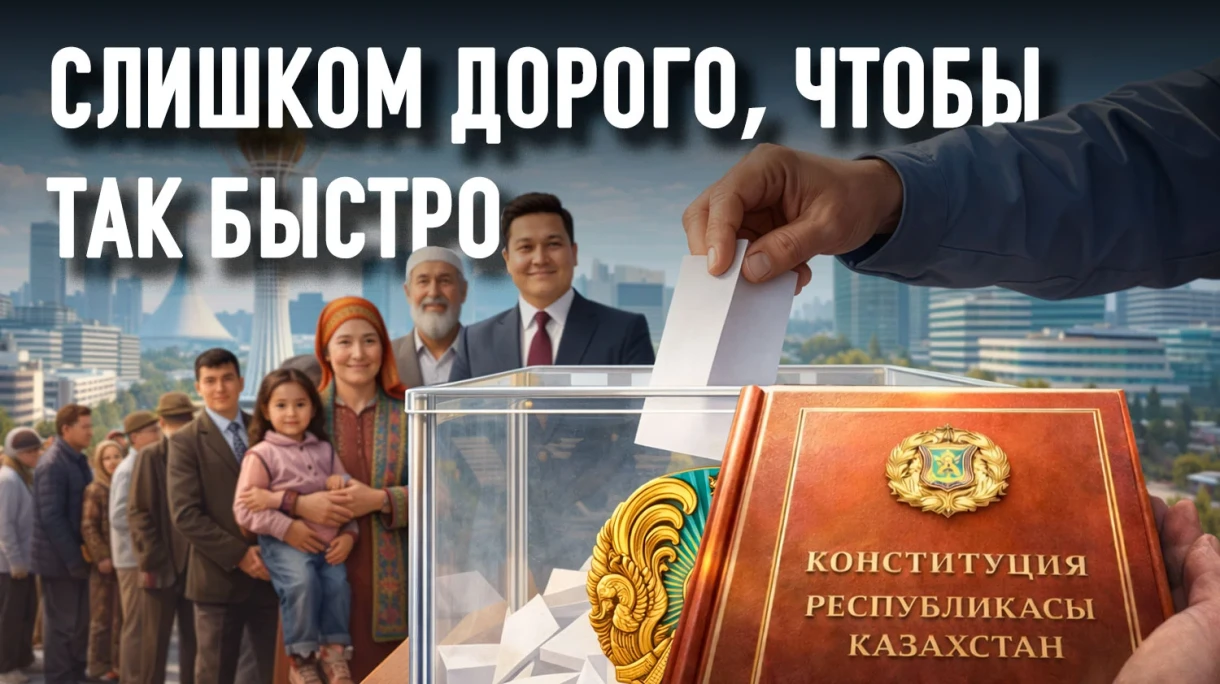
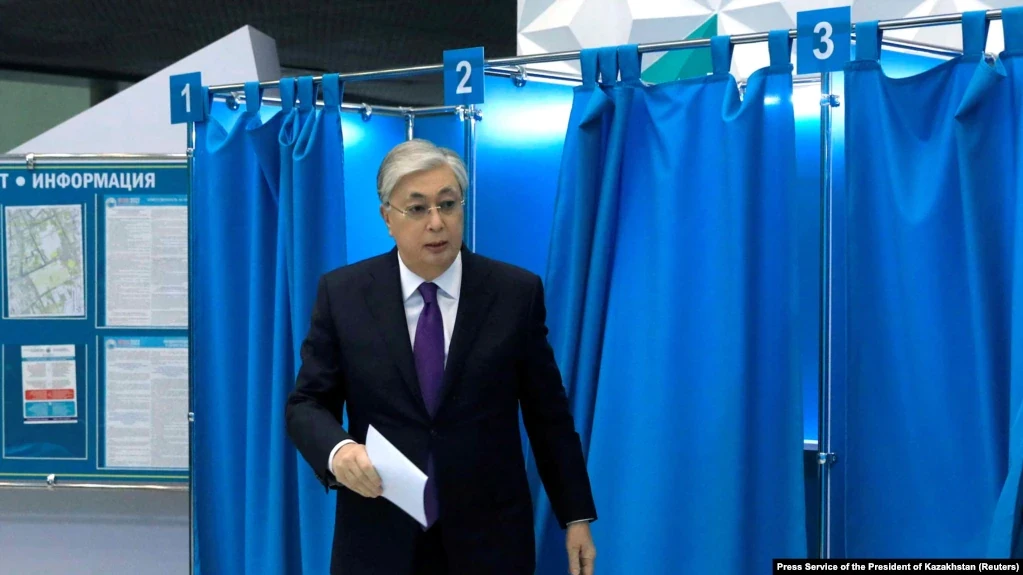
On March 15, Kazakhs will head to the polls to support a comprehensive package of amendments to the Constitution. These reforms address various aspects, from the structure of parliament to the foundations of national identity, and aim to adapt the political system to modern challenges.
Balance of Powers: A Tool for Overcoming Crises
One of the main topics of discussion has been the expansion of presidential powers concerning the legislative branch. According to the proposed draft, the president will be able to dissolve parliament if the nominations for prime minister or constitutional court judges are rejected twice.
Some critics see this as a threat to the strengthening of executive power. However, supporters and legal experts refer to international experience, where such measures serve as a "safeguard" in times of institutional crises.
- In Germany, the federal president can dissolve the Bundestag if the chancellor loses confidence (this occurred in December 2024 with Frank-Walter Steinmeier).
- Similar mechanisms are in place in the Czech Republic, Italy, and Spain, where the inability to form a government leads to new elections.
- In the USA, despite the absence of a dissolution institution, presidents (from Kennedy to Obama and Trump) have used the practice of appointments during Senate recesses to overcome political paralysis.
Thus, the dissolution of parliament is viewed not as a means of suppression but as an opportunity to return the final decision to the voter in case of political disagreements.
The Constitution and National Identity
Significant attention is given to the preamble of the Constitution, which is being elevated to the status of an ideological foundation. For the first time at the highest legal level, the principle of historical continuity is enshrined: modern Kazakhstan is viewed as a continuation of a centuries-old state tradition rooted in the era of the Kazakh Khanate.
This norm is significant not only domestically but also in international politics. The mention of "ancestral Kazakh land" and the emphasis on historical subjectivity create a legal barrier against any attempts to challenge Kazakhstan's territorial integrity or legitimacy on the international stage. Thus, national identity and universal human rights are presented not as contradictory but as a unified whole for development.
Optimizing Governance Structure: Unicameral Parliament
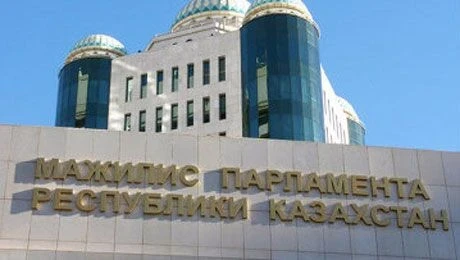
The reform also proposes the elimination of the bicameral structure and the transition to a unicameral parliament. Proponents of this decision highlight three main arguments:
Speed: Eliminating the coordination stage between the Mazhilis and the Senate will allow for quicker responses to global economic challenges.
Economic Efficiency: In conditions of budget deficit, reducing expenses for maintaining the second chamber and its apparatus will enable the redistribution of funds for social needs and education.
Global Practice: The unicameral model is common among unitary states with comparable populations.
Guaranteeing Secular Nature
In the context of regional instability, the draft of the new Constitution clearly outlines the principle of separation of religion from the state. The reform establishes that the state remains a neutral arbiter, not imposing ideology and ensuring equal rights for both believers and non-believers. This "legal shield" is intended to prevent the politicization of religion and protect religious communities from administrative pressure.
The upcoming referendum represents Astana's aspiration to create a more mobile and ideologically resilient governance model. The effectiveness of the reform will depend on how the new tools—from the right of dissolution to a unicameral parliament—function in practice and ensure the expected stability and development.
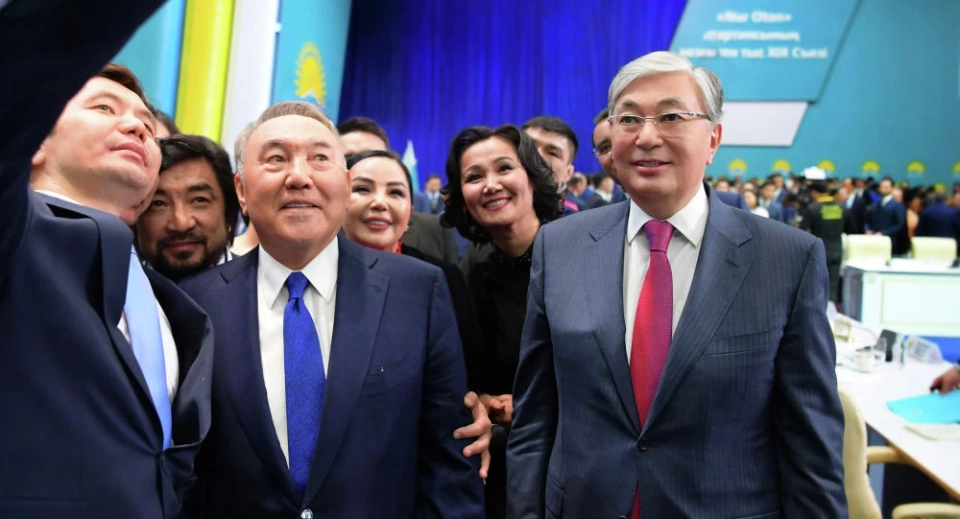
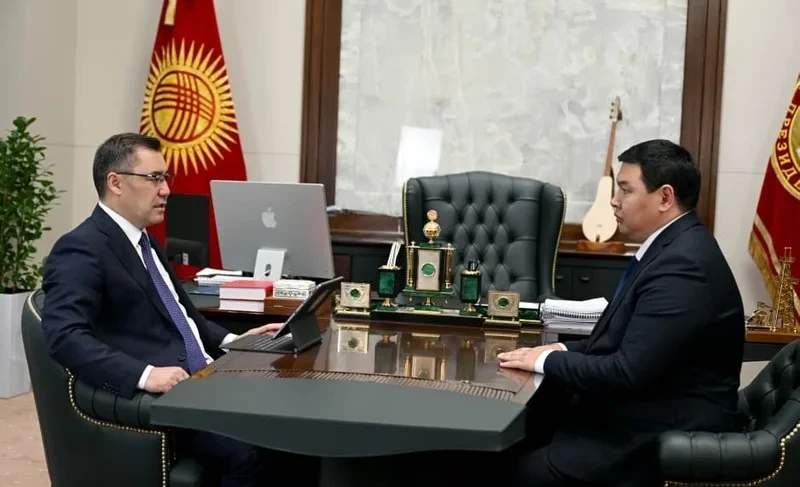
A notable event was the phone call on February 17 between Presidents Sadyr Japarov and Kassym-Jomart Tokayev. During the discussion of current issues in Kyrgyz-Kazakh relations, Tokayev informed Japarov about the constitutional reform being implemented in Kazakhstan, which lays the groundwork for long-term progress. The head of Kyrgyzstan expressed support for the extensive changes in the neighboring state.
Photo www