How can further destabilizations affect the countries of Central Asia?
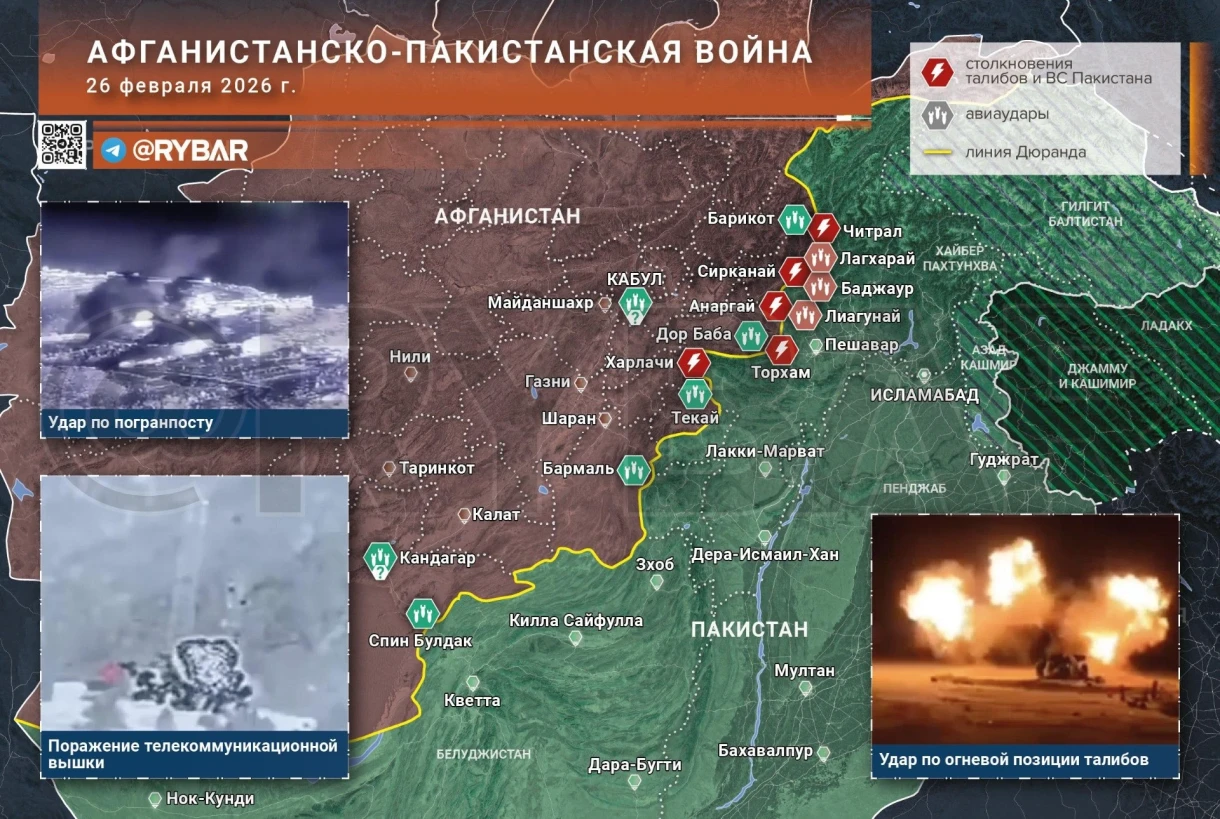
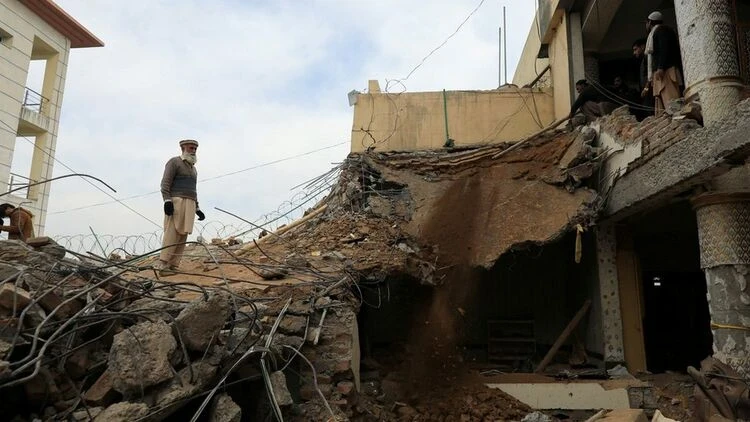
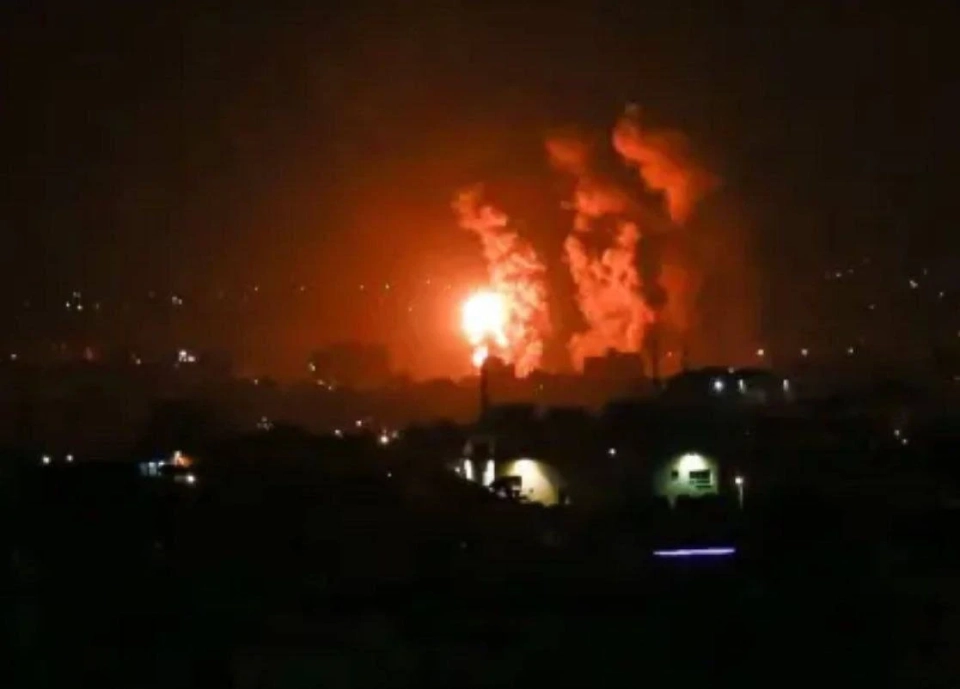
On the night of February 27, Pakistan conducted airstrikes on various cities in Afghanistan, including the capital Kabul. Pakistan's Defense Minister Khawaja Asif announced on social media platform X that after prolonged armed conflicts, tensions between the two neighboring countries have reached the level of "open war," according to DW.
Attaullah Tarar, Pakistan's Information Minister, confirmed on X that the country's army targeted facilities in Kabul, as well as in the provinces of Kandahar and Paktia. "Our forces are capable of suppressing any aggressive intentions," stated Pakistan's Prime Minister Shehbaz Sharif, adding that the nation stands united with the army.
Last week, there were already nighttime airstrikes, resulting in the deaths of at least 18 people, including women and children, according to Taliban reports. Islamabad clarified that the strikes were aimed at suspected militant camps along the border in response to recent suicide attacks in Pakistan.
On February 26, Afghan Taliban reported a "large-scale offensive" on border posts, during which "many" Pakistani soldiers were killed. So far, Pakistani authorities have confirmed the deaths of two of their soldiers.
Relations between the Taliban government and Pakistan have significantly deteriorated in recent months. Islamabad accuses Kabul of insufficient action against armed groups, leading to terrorist attacks on Pakistani territory, but the Taliban deny these accusations.
The conflict between Afghanistan and Pakistan
In the fall of 2025, Islamabad demanded that Kabul take active measures against the "Tehrik-e-Taliban Pakistan" (TTP) – a Pakistani Islamist group closely linked to the Afghan Taliban. In October, two explosions occurred in Kabul, for which the Taliban blamed Islamabad, leading to Afghan forces opening fire on Pakistani military personnel at the border. In response, the Pakistan Army used heavy artillery, tanks, and drones.
According to Taliban representatives, nine Afghan and 58 Pakistani soldiers were killed as a result of these attacks, and 20 border posts were captured. Pakistani sources report the deaths of 23 of their soldiers and the destruction of over 200 Taliban and affiliated terrorists, as well as control over 19 Afghan border posts.
Clashes continued until the end of October 2025, when the parties agreed to a ceasefire mediated by Qatar and Turkey. However, further negotiations did not lead to a sustainable peace agreement.
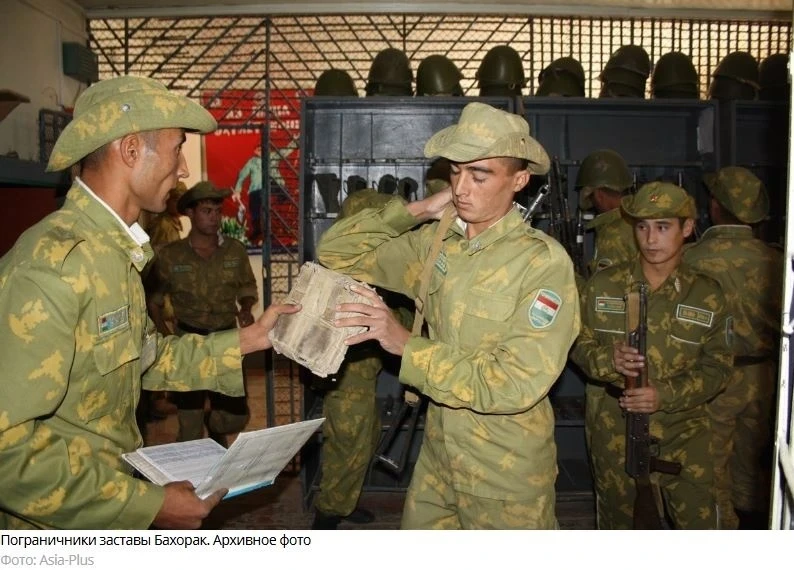
It is important to note that the transition of the conflict between Pakistan and Afghanistan into a phase of open military confrontation creates both direct and indirect risks for the countries of Central Asia. Military experts and political scientists have been warning about this for many years.
The main threats include the rise of extremist and terrorist activities, destabilization of the political situation on the northern borders, and the emergence of "security vacuums" that can be exploited by radical groups such as ISIS-K and IDU. There are also risks to major economic reforms in Central Asia, including projects like the China-Kyrgyzstan-Uzbekistan railway, the TAPI gas pipeline, and the CASA-1000 project, as well as a new wave of refugees.
Photo www