The names of the defendants have been changed.
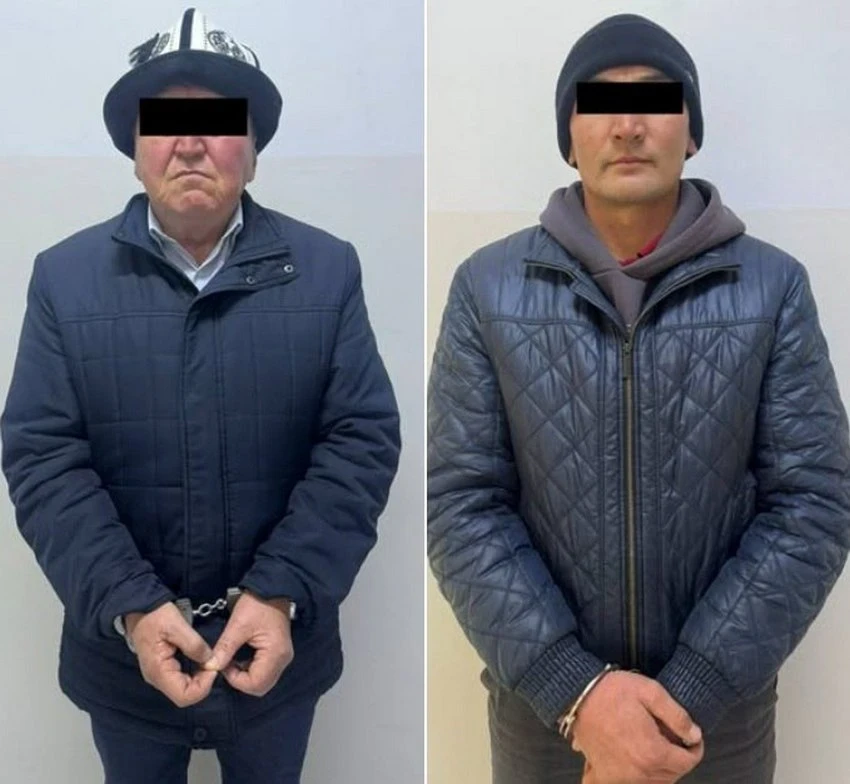
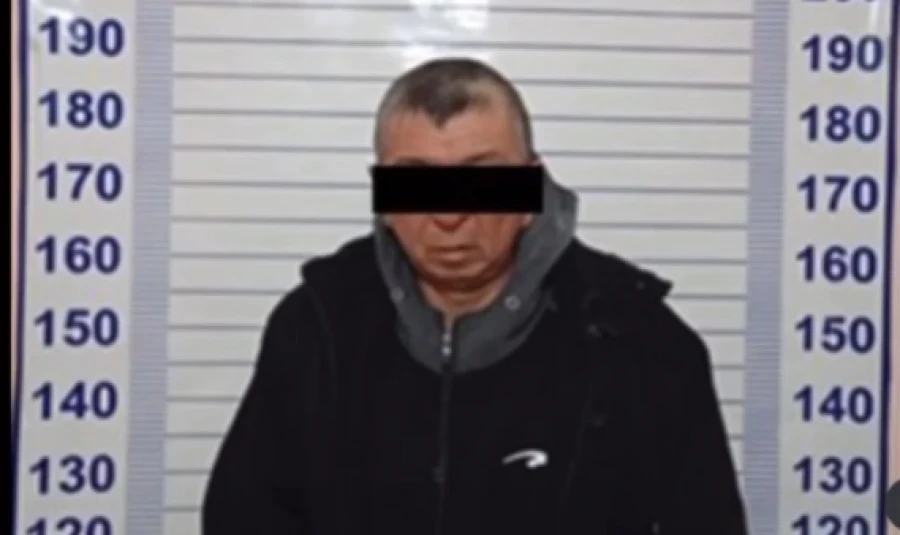
On the defendants' bench were Bolot, Bakhtiyar, and Rasul. According to the case materials, Bolot, along with an unidentified individual named Zh. A., developed a plan for the illegal importation of drugs into Kyrgyzstan. They were assisted in this endeavor by Bakhtiyar and Rasul, as well as other unidentified individuals located outside the country, who organized the shipment of cargo by air from Turkey through Uzbekistan.
As indicated in the case materials, Bolot and Zh. A. were responsible for organizing the importation of mixtures of seeds from the poppy plant, packed in plastic bags, with subsequent shipment abroad. Bakhtiyar and Rasul were to carry out these actions.
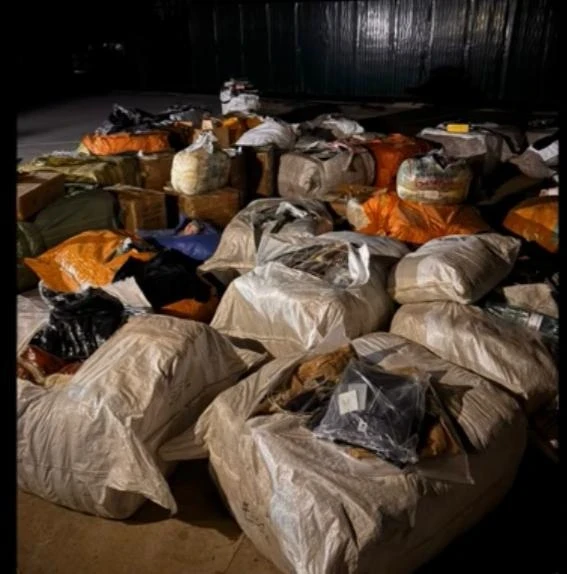
In October 2023, 990 plastic bags weighing 24,680 kg were sent from Turkey to Kyrgyzstan under the guise of "dry feed" for LLC "B. T." Prior to the arrival of the cargo, an agreement had been reached regarding customs clearance. The documents indicated that the goods were "food poppy" valued at $6,170.
After the customs procedures were completed, the transportation of the cargo through Kazakhstan was planned. However, during an inspection, the staff of the UNODC and the GKNB discovered that the bags contained poppy mixed with plant straw.
Investigators found that a similar batch of cargo had been delivered to Uzbekistan in the summer of 2023, and an examination showed that out of a total weight of 8,500.88 kg, it consisted of a narcotic substance—poppy straw. The recipient, K. S. K., during interrogation, stated that he arranged the deliveries of poppy at Bolot's request and received money for it. Similar testimony was confirmed by R. R., who acted as a representative at customs.
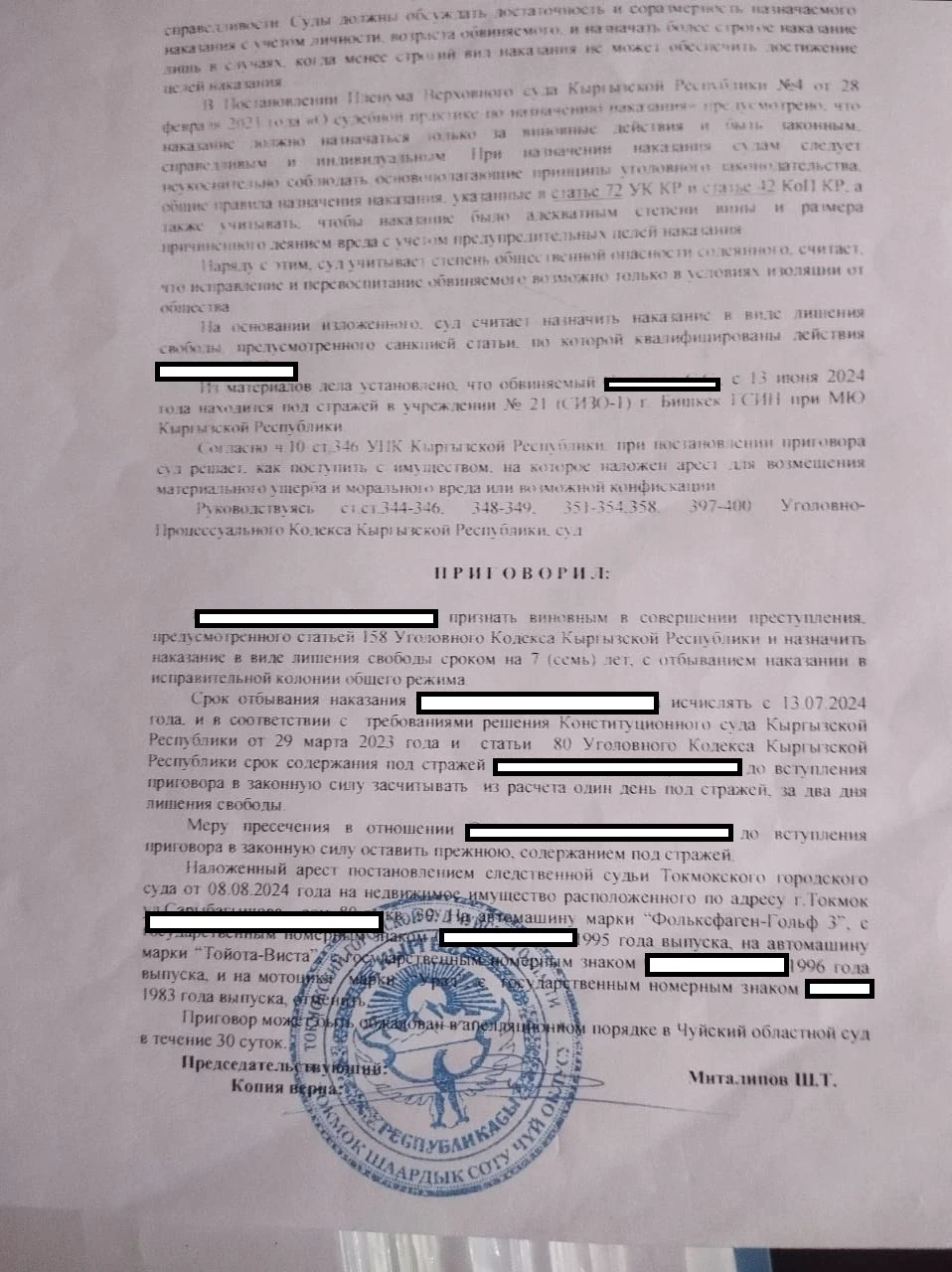
The Pervomaisky District Court of Bishkek issued the following verdict:
- Bolot was found guilty under paragraph 4 of part 2 of article 285 ("Smuggling of items subject to special rules for movement across the customs border of the Kyrgyz Republic") and paragraph 2 of part 2 of article 282 ("Illegal manufacture of narcotic substances for the purpose of sale by a group of individuals by prior agreement"). He was sentenced to 11 years of imprisonment with property confiscation and serving the sentence in a general regime correctional colony, as well as being deprived of the right to engage in economic activities for up to three years.
- Bakhtiyar was also found guilty under the same articles and received 11 years of imprisonment under similar conditions.
- Rasul was also convicted and sentenced to 11 years of imprisonment with property confiscation and subsequent expulsion from the republic, as he is a citizen of Kazakhstan.
The prosecutor, disagreeing with the decision, filed a cassation appeal. He indicated that the charges against the men included other articles; however, the courts found them not guilty despite the presence of evidence.
The lawyers of the convicted individuals, in their cassation complaints, demanded the annulment of the verdicts and the acquittal of their clients, claiming that the charges were not substantiated during the court proceedings and that the courts examined the case superficially.
The judicial panel of the Supreme Court, after discussing the arguments of the cassation appeal and hearing the opinions of the parties, concluded that the courts of first and appellate instances justifiably found the men guilty of smuggling and illegal manufacture of narcotic substances.
The prosecutor's cassation appeal was rejected, as were the complaints of the lawyers.
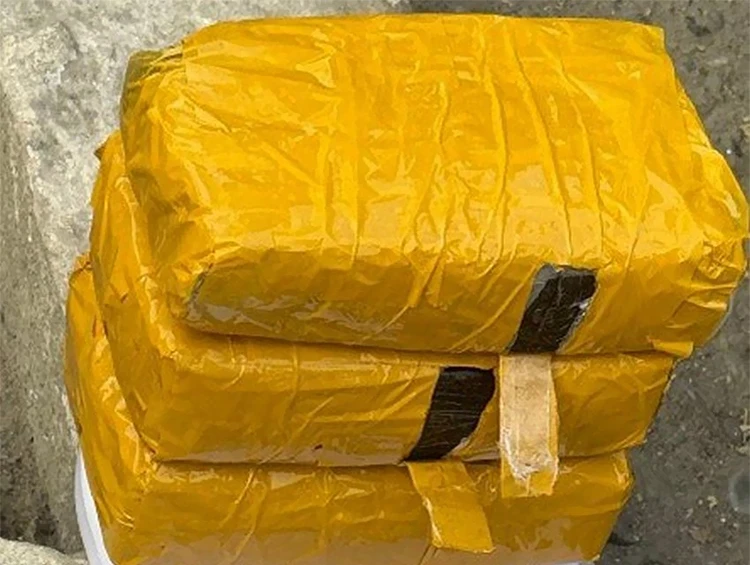
The photo on the main page is illustrative: pronarkology.ru.