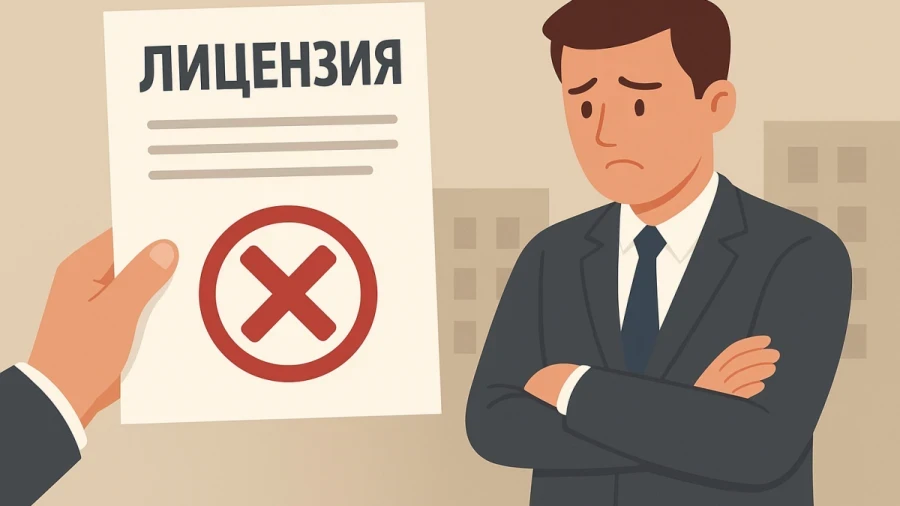
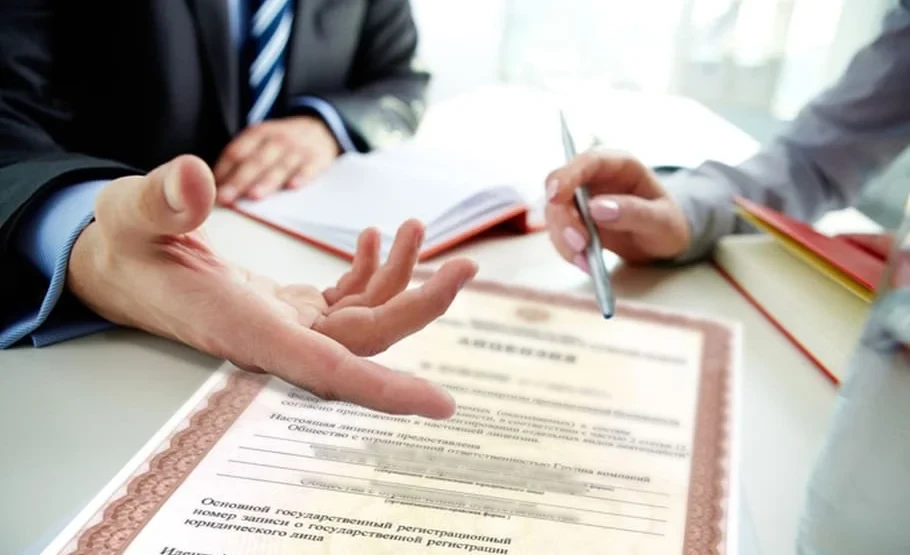
As reported by the Ministry of Science, Higher Education, and Innovation, the agency does not have the authority to revoke licenses upon detecting violations of licensing conditions after inspections. Currently, a decision to terminate a license can only be made at the request of the licensees, in the event of institution closures, or by court decision.
As a result, there has been a steady increase in the number of educational institutions in the republic: from 138 colleges and 57 universities in 2020 to 166 colleges and 89 universities today. This increase is primarily due to the opening of private educational establishments.
The medical education sector is also showing growth: in 2021, medical specialties were offered by 5 state and 14 non-state universities, and by 2025, their number will increase to 12 state and 22 non-state universities.
As part of a program to simplify bureaucratic procedures, changes to licensing requirements for obtaining licenses for educational activities are proposed, especially in the field of school education. It is suggested to establish only basic requirements for material and technical support, educational and methodological resources, and staffing. At the same time, it is planned to strengthen control after licenses are granted, which will be more effective if the licensing authority can revoke a license in case of serious violations.
In a number of countries, licensing authorities have the right to revoke licenses without court proceedings in the presence of false information or violations of licensing norms.
The justification states that removing the requirement for court proceedings to terminate a license will enhance the effectiveness of state control.
"Court proceedings often take a lot of time, allowing unscrupulous licensees to continue operating despite violations, which negatively affects the quality of education. Licensing authorities possess the necessary knowledge to assess violations and make decisions outside of court," the authors of the initiative emphasized.
Moreover, this measure will reduce the burden on the judicial system and eliminate unnecessary administrative barriers in licensing.
It is important to note that even with the possibility of non-judicial license revocation, licensees will retain the right to appeal this decision in court, ensuring the protection of their rights and interests.