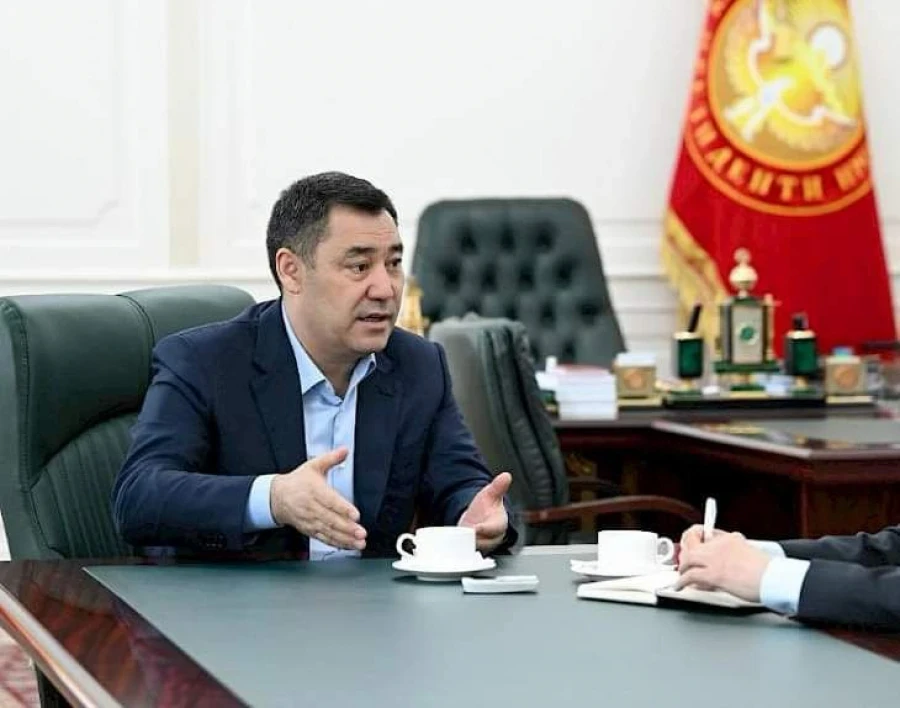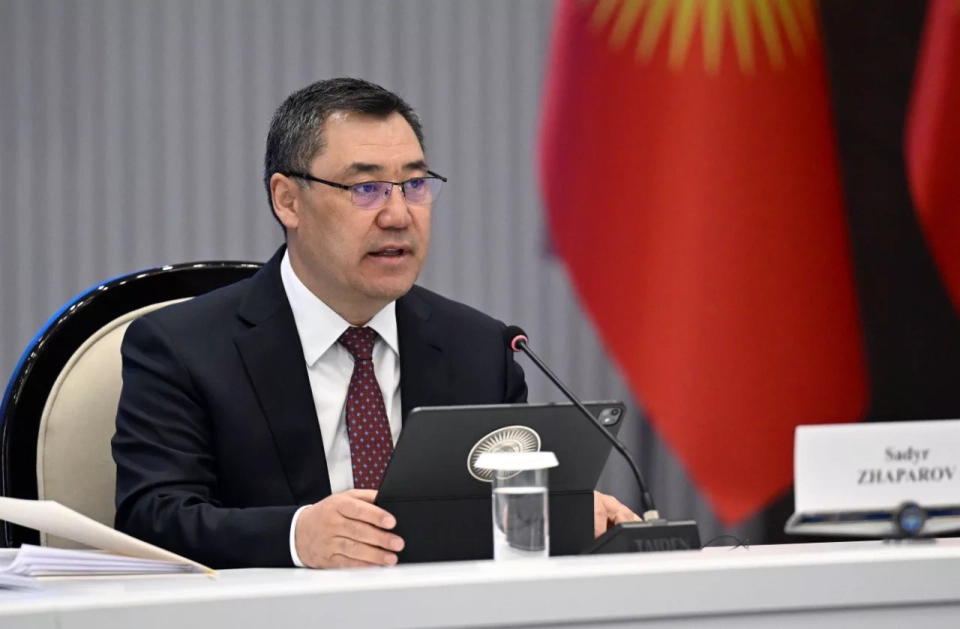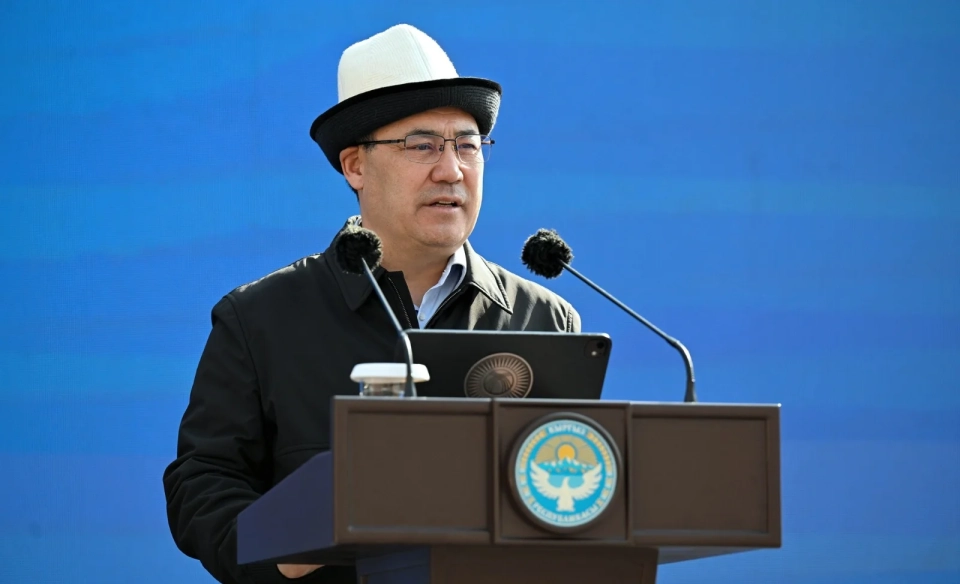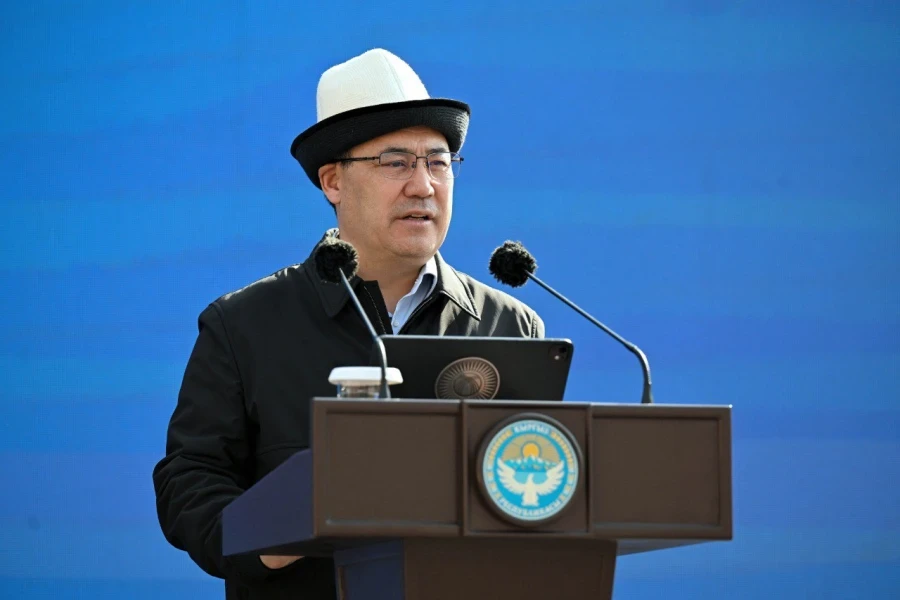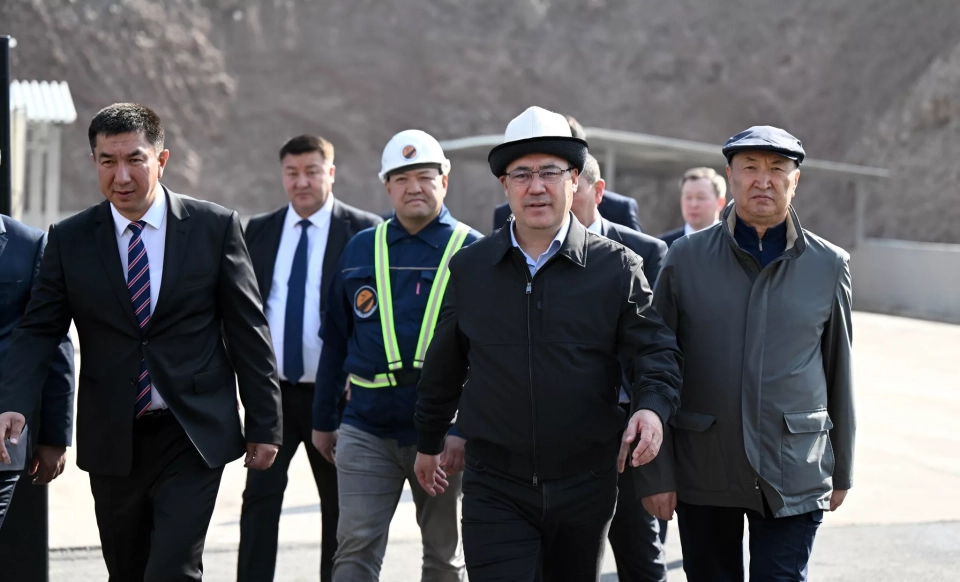
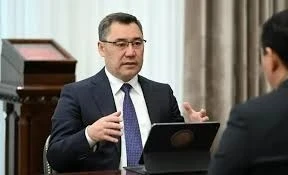
President of Kyrgyzstan Sadyr Japarov once again addressed the public with a call to carefully conserve electricity. On his social media page, he asked citizens to show patience over the next two and a half years.
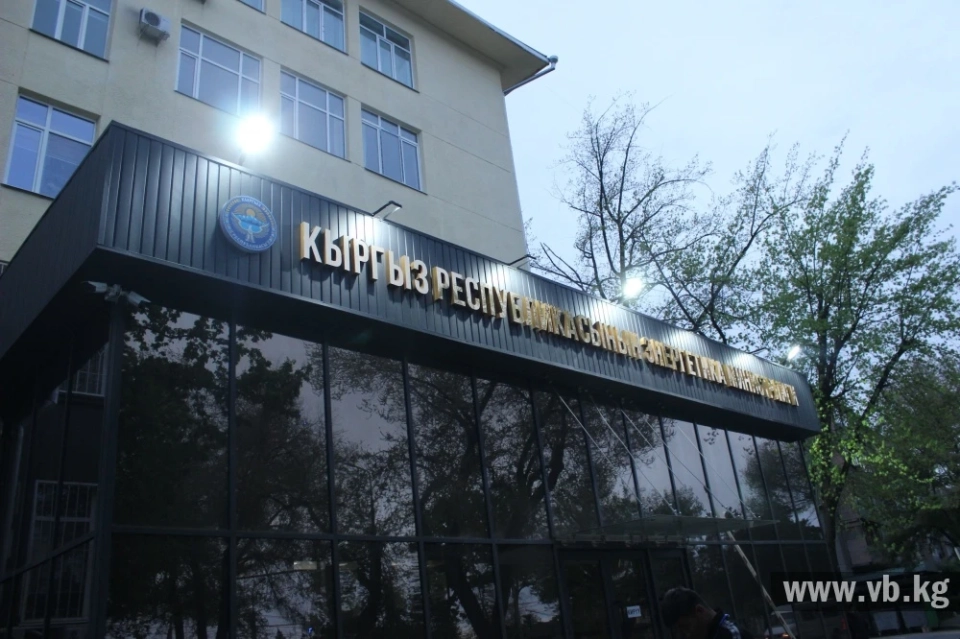
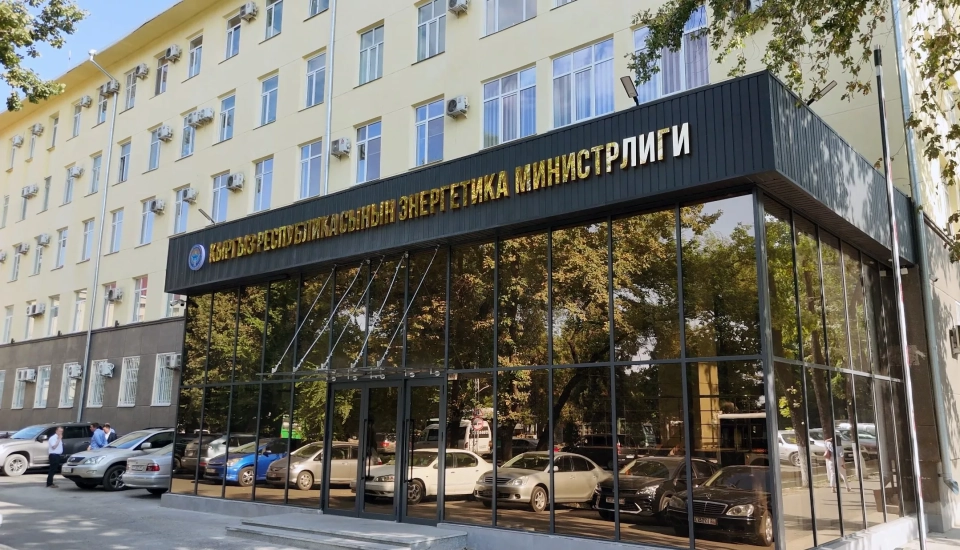
Recently, the National Electric Network of Kyrgyzstan proposed that the population not limit electricity consumption during the autumn-winter period; however, this initiative was put forward without prior agreement with the Ministry.
This situation sparked heated discussions in society.
It should be noted that the "unlimited tariff" was introduced three years ago to partially compensate for the difference between the cost of imported electricity and the price at which it is sold to citizens.
Nevertheless, under current conditions, the water level in reservoirs is two billion cubic meters lower than last year, which forces a temporary halt to connections under the unlimited tariff.
Upon seeing the information in the media, I immediately contacted the minister and expressed my dissatisfaction, instructing to stop such initiatives and ensure equal access to electricity for citizens.
As a result, the general director of NESK and the deputy for commercial issues were reprimanded, and the head of the electricity sales department, I.A. Orozbaev, was dismissed.
I would like to explain the current state of affairs in the energy sector so that the people know the truth.
Until 2020, the debt of the energy sector amounted to 137 billion soms, and the energy system of the country was in critical condition.
Particularly dire conditions were observed in the joint-stock companies "Vostoelektro" and "Jalalabadenergo," where debts were growing, and workers' salaries were paid from loans from commercial banks, effectively being on the brink of bankruptcy.
The situation in the energy sector was catastrophic: equipment had not been updated since the 1960s, and new hydropower plants had not been built, except for the first generation of the Kambar-Ata HPP-2 in 2009.
Since gaining independence, the country has faced electricity shortages every winter, forcing it to purchase electricity from abroad, sometimes at 5 soms per kilowatt-hour.
When I came to power, reforms in the energy sector began, aimed at combating corruption and theft.
It is unclear how much of that 5 soms ended up in the pockets of unscrupulous individuals. Countries selling us electricity also won't tell us about this, making it difficult to establish the truth now.
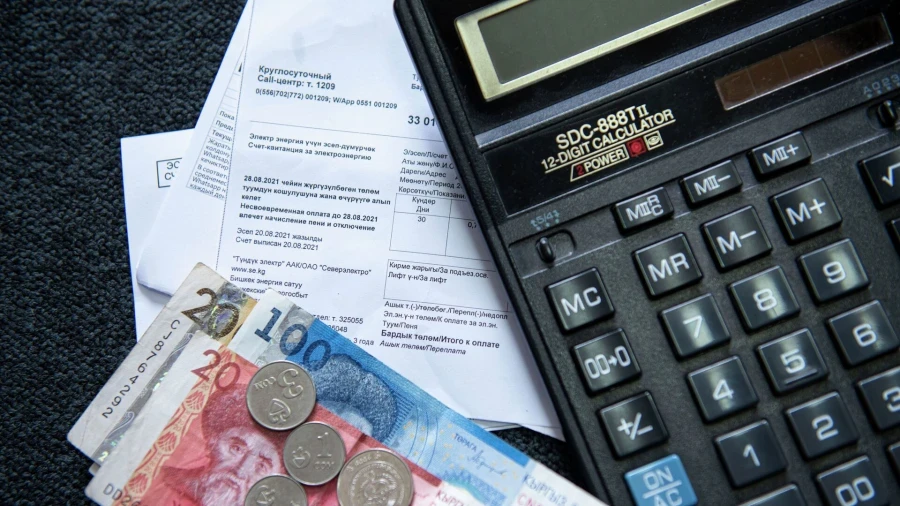
Electricity purchased at 5 soms was sold to the population at a price of 0.77 tyiyn per kilowatt-hour, creating a huge financial burden on the energy system and leading to the accumulation of debts.
Since 2020, thanks to reforms aimed at eliminating corruption and reducing electricity losses, the total debt has been reduced from 137 billion to 25 billion soms.
With God's help, next year we plan to completely pay off this debt, and starting in 2027, the energy system will begin to generate profit, which will be a significant achievement for our country.
I could simply turn a blind eye to the problems and not engage in the construction of hydropower plants or reforms, but I chose a different path.
If I had continued the old practices, the energy system would have been in an even more catastrophic state.
Currently, we purchase electricity at 3 soms per kilowatt-hour, while selling it to the population at 1 som 37 tyiyn, with the ministry covering the difference.
Thanks to the ongoing reforms, we hope that next year the ministry will be able to fully pay off the debt of 25 billion soms and achieve profitability by 2027.
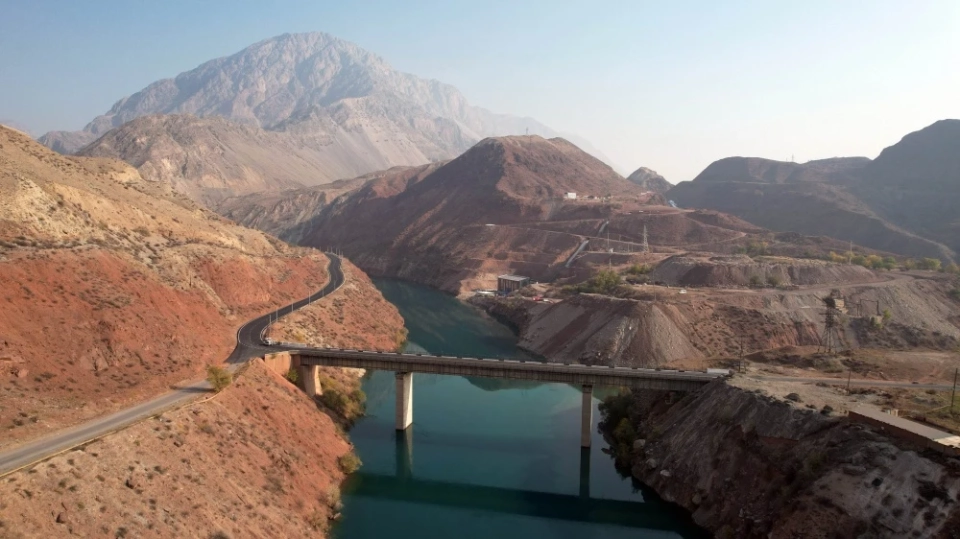
As of today, the water level in the Toktogul reservoir is two billion cubic meters lower compared to last year. This forces us to significantly increase imports.
We urge citizens to conserve energy to limit the volume of imports.
It is important to remember that the more electricity we consume, the more money goes abroad.
State institutions have already been instructed to turn off lighting and electrical appliances after 6:00 PM.
Although there is enough electricity in the world, every extra consumption incurs additional costs for the budget, which is formed from the citizens' funds.
Many private individuals also do not conserve energy: in some homes, lights are left on even during the day, and street lamps are lit during daylight hours.
Therefore, I appeal to everyone: use electricity wisely.
Every 100-watt bulb burning for an hour takes about 270 liters of water from the Toktogul reservoir. Imagine how many resources are consumed for just one bulb!
I lived in Europe and noticed that there, no one leaves the lights on unnecessarily. For example, in Germany, one kilowatt-hour costs about 50 euro cents in winter, which is approximately 50 soms.
In Central Asian countries like Uzbekistan, tariffs vary based on consumption: with an average consumption of 1000 kWh per month, they pay about 500 soms, which is approximately 3 soms 60 tyiyn. The higher the consumption, the higher the tariff.
In Kazakhstan, in Almaty, the tariff ranges from 30 to 50 tenge, equivalent to 5-8 soms.
In Kyrgyzstan, however, the tariff is only 1 som 37 tyiyn.
Some may argue that their salaries are higher, but when considering all expenses — for food, medicine, taxes, and insurance — the standard of living turns out to be comparable.
At the same time, electricity remains the most affordable for us.
For the third year now, we have been actively constructing both large and small hydropower plants, as well as solar and wind stations.
Very soon, the first solar power plant will be launched in our country.
However, despite all these achievements, we still lack energy in winter.
This is due to the fact that new factories, schools, and residential complexes are being built every year, which require significant amounts of energy.
I will list the hydropower plants that have been commissioned earlier:
Bala-Saruu HPP – 25 MW (Talas region)
Ysyk-Ata HPP 1 – 2 MW (Chui region)
Kok-Art HPP – 6.7 MW (Jalal-Abad region)
Kainama HPP – 9.6 MW (Jalal-Abad region)
Isfayram-1 HPP – 2 MW (Batken region)
Kurak-Tektir-1 HPP – 0.6 MW (Osh region)
Arashan HPP – 2.4 MW (Issyk-Kul region)
Beles HPP – 0.54 MW (Batken region)
The total installed capacity amounted to 48.84 MW.
HPPs commissioned in 2025:
Koysuu HPP – 9 MW (Issyk-Kul region)
Ysyk-Ata HPP 2 – 4 MW (Chui region)
Aksy HPP – 4.75 MW (Jalal-Abad region)
Boz-Uchuk HPP – 5.54 MW (Issyk-Kul region)
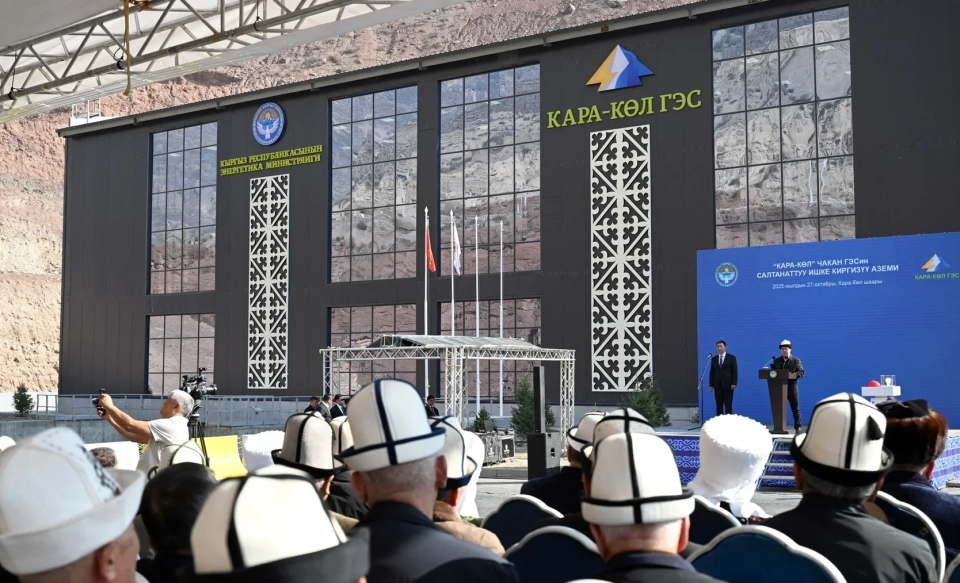
Kara-Kul HPP – 18 MW (Jalal-Abad region)
The total capacity amounted to 41.29 MW.
In addition, modernization work has been carried out at large hydropower plants, increasing their capacity.
All four units at the Toktogul HPP have been updated, adding 240 MW of capacity, equivalent to the construction of a new hydropower plant of the same capacity.
At the Uch-Kurgan HPP, 9 MW have been added as part of the reconstruction, and after the completion of the project, an additional 36 MW will be obtained.
At the Kambar-Ata HPP-2, a project is underway to introduce a second unit with a capacity of 120 MW.
The At-Bash HPP has been updated and received an additional 11.44 MW.
Renovation work continues at the Lebedinov HPP.
Preparatory work is also underway for the Papan, Lower-Tar, and Bystrov HPPs.
CONSTRUCTION OF SMALL HPPs IN 2025-2030
In 2025, the construction of the following stations will begin in Jalal-Abad, Batken, Osh, Naryn, and Chui regions:
Kojo-Kayir (Bazarbay-Ata-3), Kurak-Tektir-2, Kainama-2, Sary-Tash, Shamsy, Sokuluk-3, Tuyuk, Kurtka, and Ken-Tor-1. Their total capacity will be 29.53 MW.
In 2026, the construction of 25 small HPPs is planned, including:
Orto-Tokoy HPP (21 MW),
Kulanak HPP (100 MW),
Turgent HPP (26 MW),
Mayly-Suu HPP (26 MW),
Ak-Suu HPP-3 (17.66 MW), and others.
The total capacity will be 286.21 MW.
In 2027, another 14 new HPPs will be commissioned, including:
Papan HPP (27 MW),
Jeruys HPP (28 MW),
Chandalash HPP (30 MW).
The total capacity will be 172.88 MW.
In 2028-2030, the following projects are on the agenda:
Konorchok, Kyzyl-Suu, Kichi-Kemin, Kyshtuut, and Lower-Tar HPP.
The total capacity will be 44.7 MW.
Promising projects for the coming years include:
Chon-Kemin HPP (26 MW, Chui region) and Chok-Tal HPP (3.7 MW, Issyk-Kul region).
Thus, the construction of hydropower plants of all sizes is actively ongoing.
The current resource shortage is a temporary problem.
If we were not building new institutions and housing, the deficit accumulated over many years would have long been resolved through new HPPs, and we could live peacefully.
But we continue to work to overcome these difficulties.
I am confident that in two and a half years we will be able to eliminate the winter electricity deficit by constructing about a hundred small and medium HPPs across the country.
In addition, a thermal power plant with a capacity of 1200 MW is being built in Kara-Keche, which will be able to produce up to 7 billion kWh per year. It is expected to be commissioned in two and a half years, which will completely eliminate the electricity deficit in winter.
If we were just waiting for the completion of Kambar-Ata HPP-1, it would take another 7-8 years.
When Kambar-Ata is fully commissioned, Kyrgyzstan will become an electricity-exporting country.
We are constantly working on the implementation of these projects, which will gradually eliminate the electricity deficit and make Kyrgyzstan an energy-secure and self-sufficient state.
Therefore, I ask everyone to understand the current difficulties and show patience while helping to restore our energy system.
Economical and rational use of electricity is your contribution to the common cause," the president emphasized.