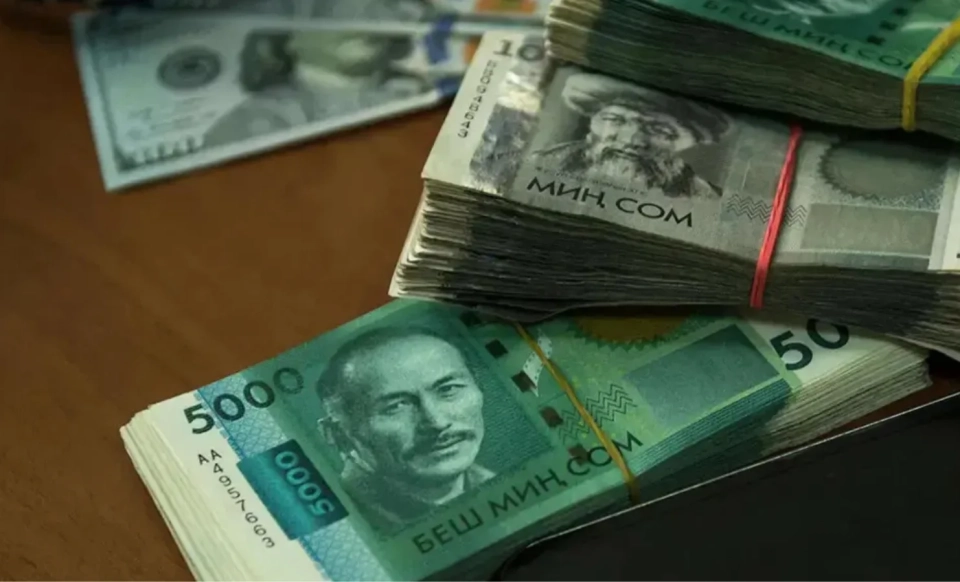
The report indicates that the slowdown in GDP growth in the region in 2025 was mainly due to declining indicators in the Russian Federation. At the same time, most countries in the Caucasus and Central Asia demonstrated resilience, and this positive trend is expected to continue in 2026 due to limited dependence on the American market, which reduces the impact of high US tariffs on their economies.
Russia's Economy: Low Growth Rates
In 2026, the growth of the Russian Federation's economy is expected to be at 1%, slightly higher than the previous 0.8% in 2025. Despite the potentially positive impact of easing monetary policy, growth will be constrained by a lack of workforce, declining private consumption, and tightening fiscal policy.The country continues to be under sanctions, which mainly affect oil exports and restrict access to high-tech products.
Forecast for Ukraine: 2.3% GDP Growth
The Ukrainian economy faced serious difficulties in 2025 due to armed conflicts and frequent energy disruptions, negatively impacting production capacities. The projected GDP growth for 2026 is 2.3%, while in 2025 it was estimated at 1.5%.However, Ukraine's future remains uncertain due to the ongoing war and unclear timelines for recovery.
Positive Trends in the Caucasus and Central Asia
In the countries of the Caucasus and Central Asia, dependence on trade with the Russian Federation is gradually decreasing.The main factors driving economic growth are active private consumption, increasing real incomes, declining unemployment rates, as well as a stable flow of remittances and growth in household lending.
Additionally, government investments and infrastructure projects in the regions contribute to sustaining growth.
Inflation Acceleration
The report also highlights that many CIS countries are experiencing rising inflation, driven by both global and country-specific factors, such as rising food prices and significant budget expenditures.On the international stage, policymakers are facing a more complex inflationary situation, exacerbated by climate change. Experts emphasize that while monetary policy remains an important tool in combating inflation, it needs to be complemented by reliable fiscal and social measures, as well as policies aimed at strengthening production capacities and supply chains.
Photo on the main page is illustrative: c1946.c.3072.ru.