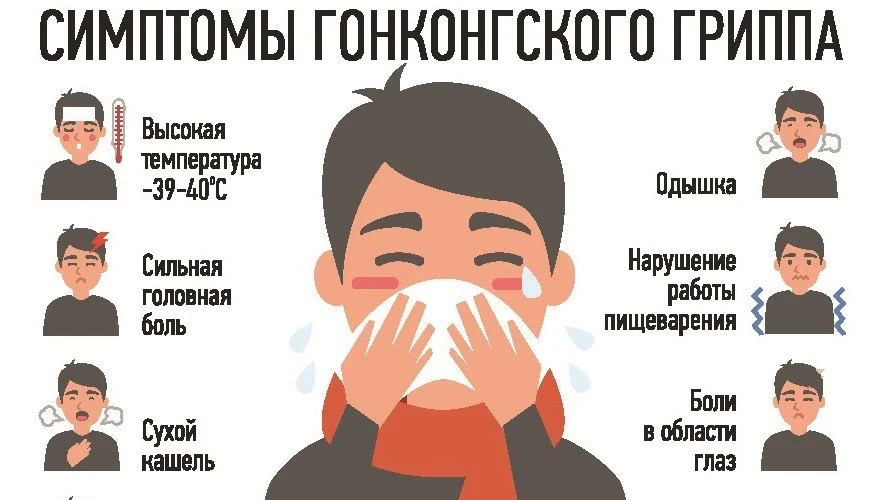
Doctors from the Bishkek Health Strengthening Center have drawn the attention of residents of Kyrgyzstan to important precautions during the flu season and outbreaks of acute respiratory viral infections (ARVI).
Influenza is an acute infectious disease of the respiratory tract caused by a virus, which can manifest in various forms—from mild symptoms to severe complications. According to specialists, the virus is transmitted through airborne droplets, as well as through contact with objects used by others, such as doorknobs, phones, and money.
The illness usually lasts several days; however, in some cases, it can lead to serious consequences, especially for people with chronic diseases, in whom the illness may worsen.
To reduce the risk of infection during periods of increased illness, it is recommended to:
- avoid crowded places and contact with sick individuals;
- lead an active and healthy lifestyle: engage in physical activity, eat properly, and refrain from smoking and alcohol;
- prevent hypothermia;
- maintain a work and rest schedule;
- spend more time outdoors;
- ventilate rooms and regularly conduct wet cleaning;
- observe personal hygiene: wash hands, use antiseptics, and wear masks;
- cover your mouth and nose with a tissue or elbow when coughing or sneezing;
- include foods rich in vitamin C in your diet;
- maintain adequate fluid intake;
- get vaccinated against influenza.
If you notice symptoms of the illness, you should:
- stay at home and avoid visiting public places;
- isolate the sick person from other family members, especially children, pregnant women, and the elderly, if possible;
- consult a doctor and strictly follow their recommendations.