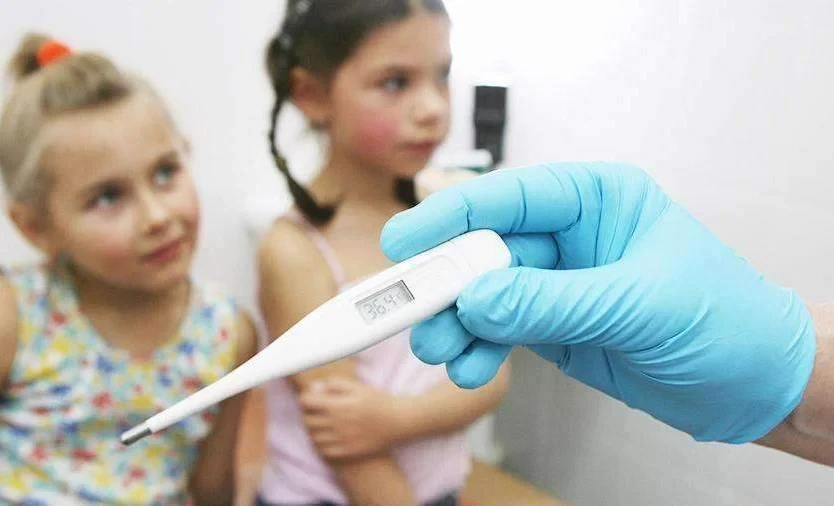
The specialists of the Republican Center for Health Improvement warn that individuals over 65 years old are at increased risk of contracting influenza and ARVI.
To protect against these infectious diseases, you can follow these recommendations:
- Vaccination against influenza is the most effective method of prevention.
- Frequent hand washing with soap or the use of antiseptics.
- Keep your distance from those who cough or sneeze.
- Use masks in public places.
- Regularly ventilate rooms.
- Maintain a balanced diet, engage in physical activity for at least 30 minutes a day, ensure adequate sleep, and avoid stress.
- Do not self-medicate.
The most common complications include:
- Pneumonia
- Bronchitis
- ENT problems such as otitis, sinusitis, rhinitis, and tracheitis
- Cardiovascular diseases — myocarditis and pericarditis
- Neurological diseases — meningitis, meningoencephalitis, and encephalitis
- Exacerbation of chronic diseases.
Additionally, many elderly people have chronic diseases such as diabetes and heart and lung conditions, which complicate the course of infections and increase the risk of complications.
The mechanism of infection transmission:
— The primary route of transmission is airborne, during communication, coughing, or sneezing.
— Transmission can also occur through handshakes, hugs, and contact with contaminated objects.
Among the symptoms of the disease, the following may be noted:
- Fever and chills
- Dry cough
- Shortness of breath
- Feeling of heaviness in the chest
- Runny nose
- Sore throat
- Headaches and muscle aches
- General weakness
At the first signs of illness, elderly individuals are advised to promptly consult their doctor for qualified medical assistance.