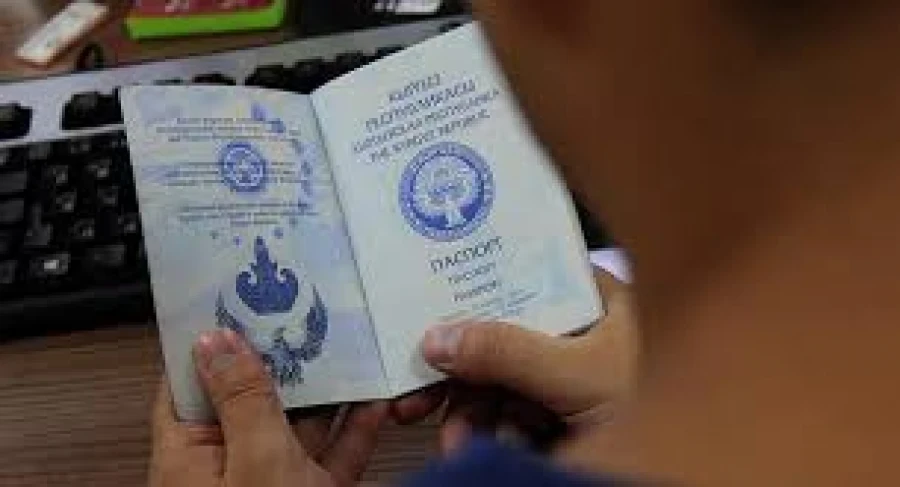
- change of date of birth, according to civil status legislation;
- the presence of identical PINs among several citizens;
- errors in indicating gender and date of birth;
- application of legislation on the protection of the rights of participants in criminal proceedings;
- technical errors made before July 1, 2017.
Deputy Seyidbek Atambaev noted that despite the protection of citizens' rights, the bill could weaken the powers of the Jogorku Kenesh. He emphasized the need to discuss the risks associated with transferring broad powers to the government, which could lead to the infringement of parliamentarism.
Atambaev also raised the question of whether the government could expand the grounds for changing the PIN without the participation of parliament, which would reduce the level of parliamentary control.
In response, First Deputy Minister of Digital Development Nursultan Kubanov stated that parliament would be able to make changes to the law.
He agreed on the necessity of ensuring parliamentary control over subordinate acts to guarantee that changes to the PIN would occur only for technical and human rights reasons. The deputy proposed to establish an obligation for the government to inform the Jogorku Kenesh about such changes.
Deputy Director of the State Institution "Kyzmat" Ernes Dosaliev reassured the deputies that the exclusion of the list of grounds from the law would not be a problem, as these norms would be included in subordinate acts.
He noted that emergency situations could arise, such as a change of gender. For example, they received an application from a man who became a woman, and until his PIN is changed, it will be difficult for him to receive services in the country. This is just a hypothetical situation.Dosaliev explained that it would take a long time to introduce gender norms into the law, while subordinate acts would allow for quick resolution of citizens' issues.
He added that changes to the law are relevant in light of appeals from citizens with transgender and other requests.