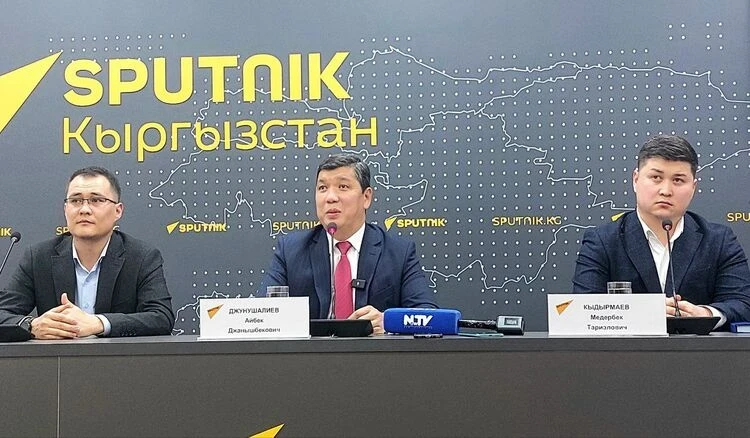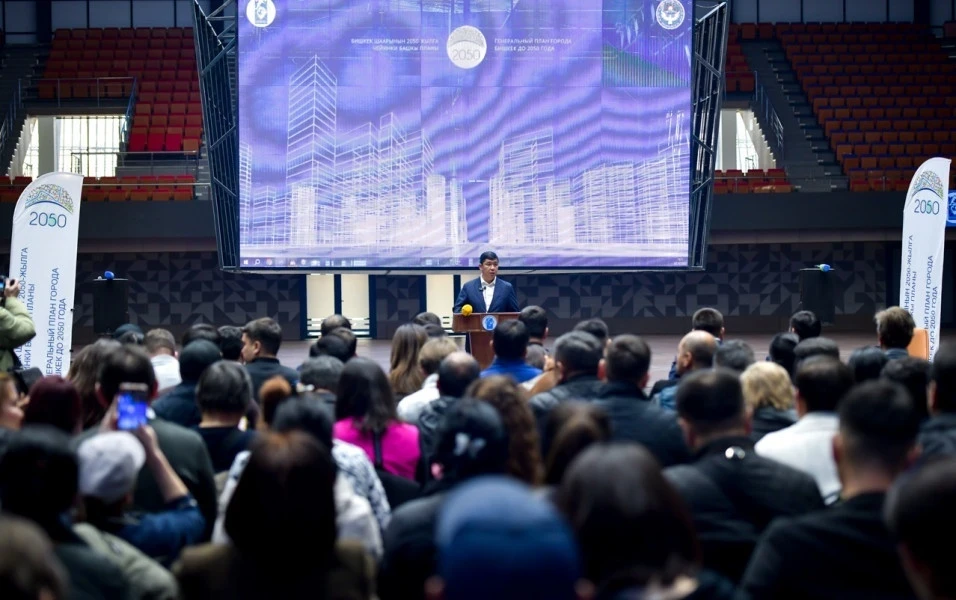
After the presentation of the plan and the mayor's speech, one participant asked why the construction of the metro was excluded from the General Plan, despite his suggestion for an above-ground metro along the Ala-Archa and Alamedin rivers.
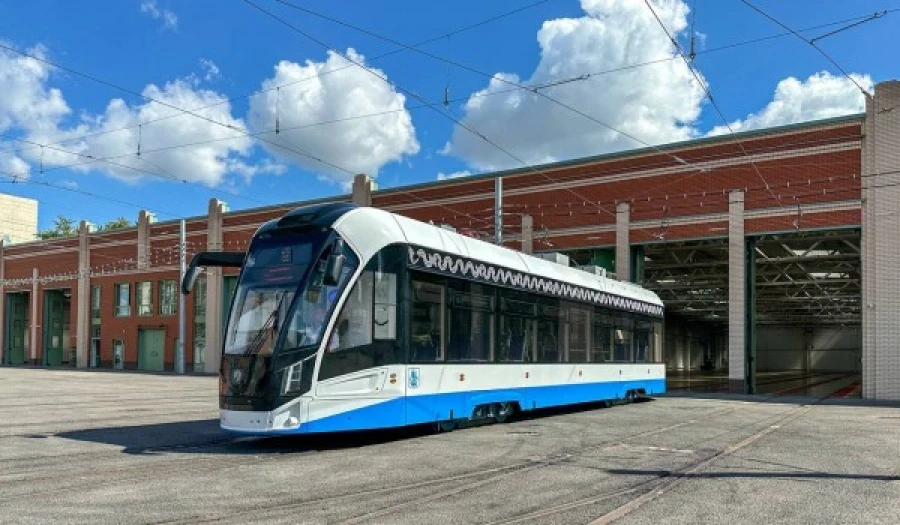
Experts from the Institute of Prospective Urban Development in St. Petersburg explained that the passenger flow level in Bishkek does not justify the feasibility of a metro system. They noted that constructing a metro would require significant time and financial investments, and during the time it takes to create one line, five tram routes could be implemented, making trams a more attractive option for the city.
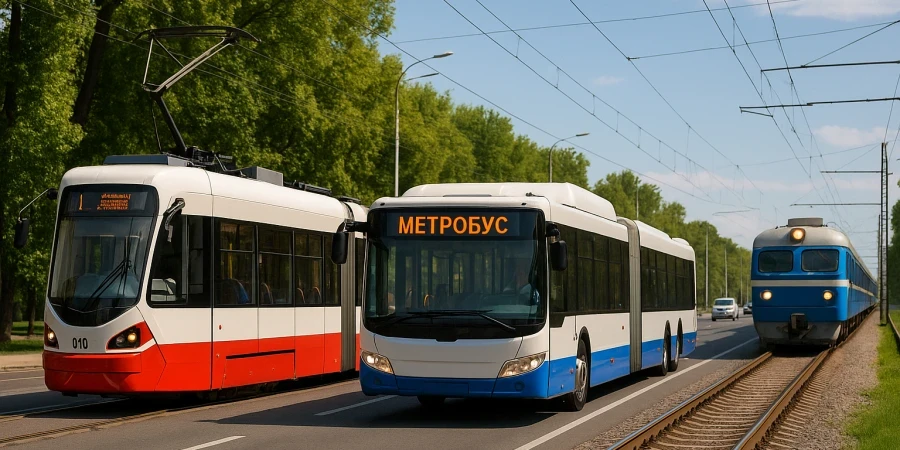
Residents expressed concerns about the integration of tram lines into the existing street infrastructure, raising questions about potential difficulties and the creation of "tram traffic jams." The issue of installing supports for the contact network was also discussed.
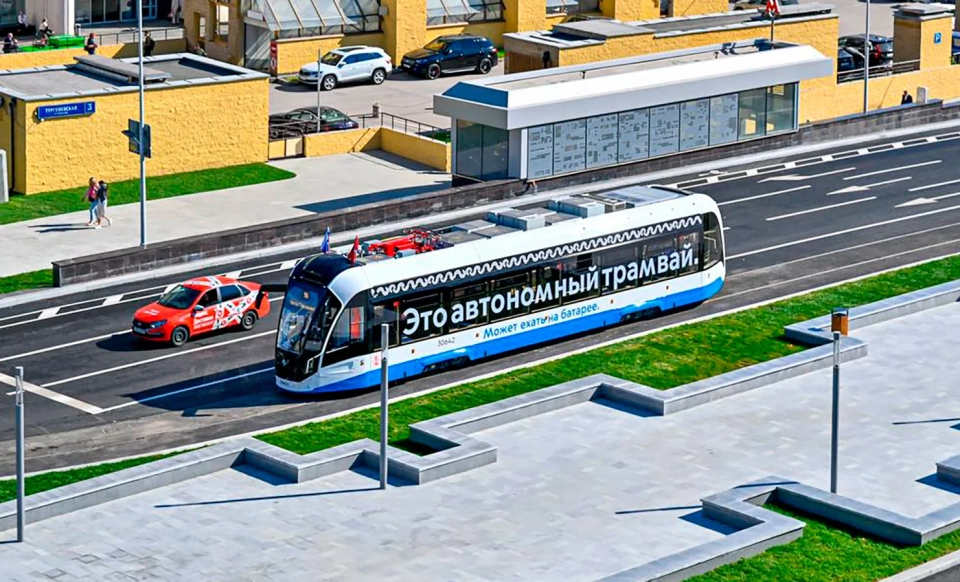
Developers assure that the project includes dedicated lanes and restrictions for transit traffic in the city center, as well as the use of modern trams. However, no visual materials demonstrating how this will look and how green zones will be preserved have been provided so far.
Previously, the city hall also abandoned the idea of relocating the railway tracks outside the city. This decision is related to the fact that the existing railway infrastructure serves about 120 enterprises located in Bishkek, and relocating them outside the city is considered economically unfeasible.
For a more complete understanding of the General Plan concept, it is worth noting that it includes extending the railway line to Manas Airport and creating an industrial zone in that area, aimed at optimizing logistics flows within the country.
Architects commenting on the situation reminded that during the Soviet era, the decision to build a metro was made when the city's population was around one million. Experts noted that with a budget surplus, Kyrgyzstan could consider the possibility of a metro, especially given the population growth and the number of cars in Bishkek, which is now about 1.3 million.
Metro supporters believe that its construction could significantly reduce the amount of traffic on the city's streets.
Therefore, experts believe that the issue of metro construction should be raised again and again until a suitable concept for Bishkek is developed.
Currently, the General Plan emphasizes the development of the tram network, which, according to the developers, will be more beneficial and will provide connectivity between districts, becoming a sought-after mode of transport.
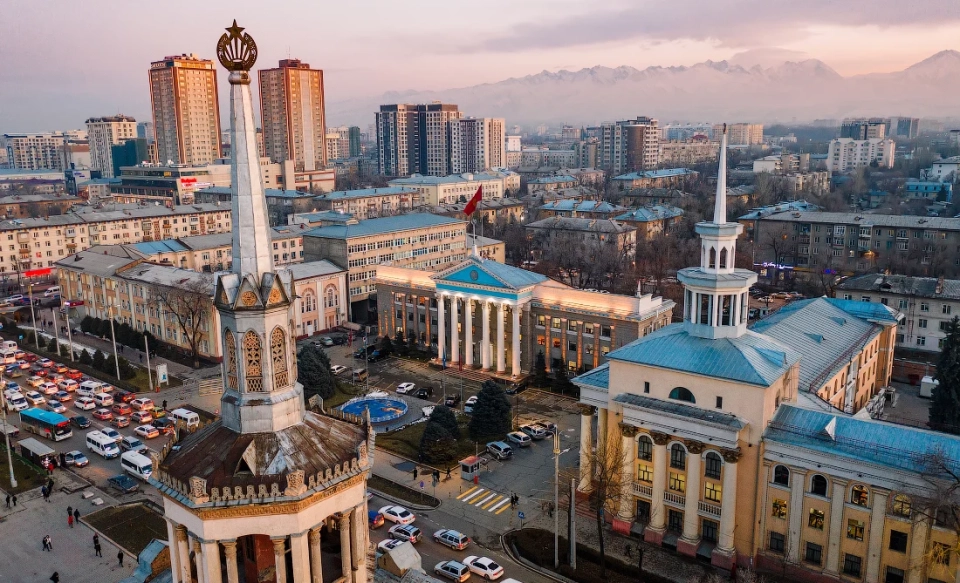
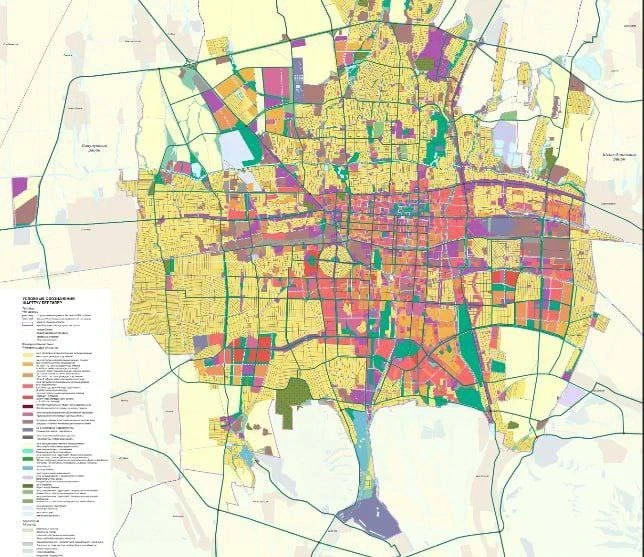
As the mayor and developers emphasized, the General Plan is oriented towards the needs of the city's residents and is a strategic document that defines the long-term development of Bishkek, strengthens the status of the capital, creates a financial and logistics center for Central Asia, and forms a comfortable urban environment.
The city hall reports plans to hold discussions on the General Plan every week.