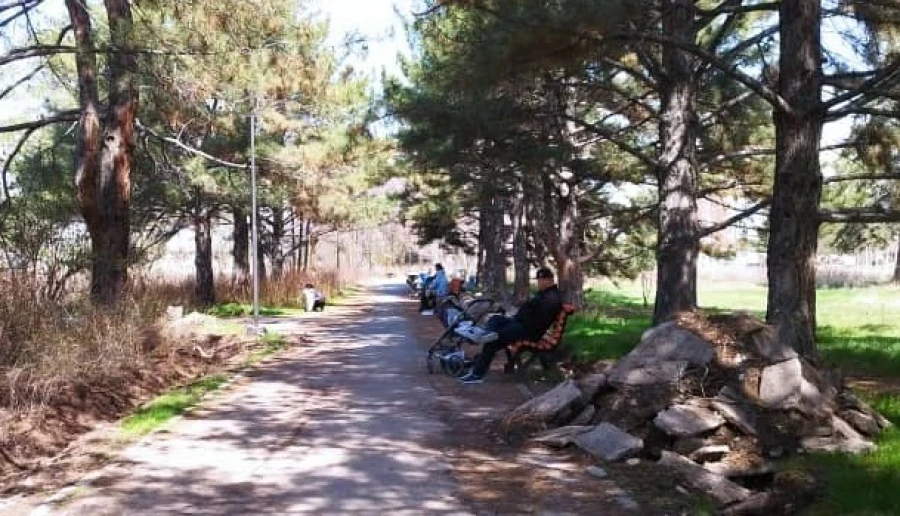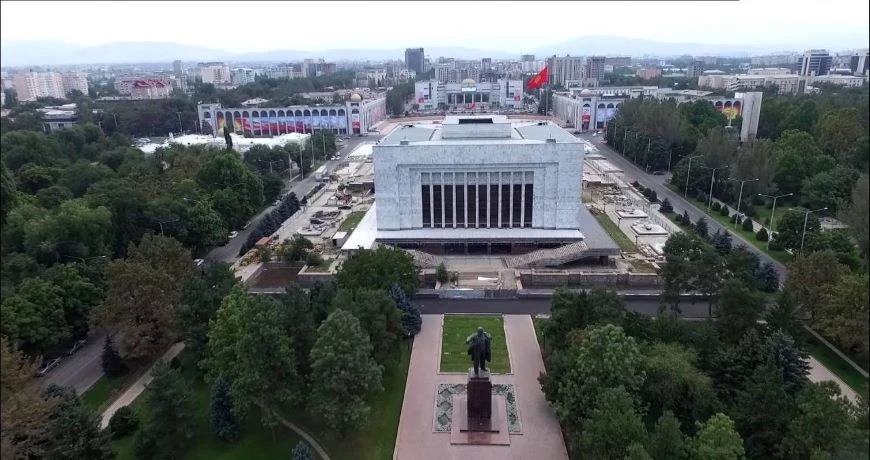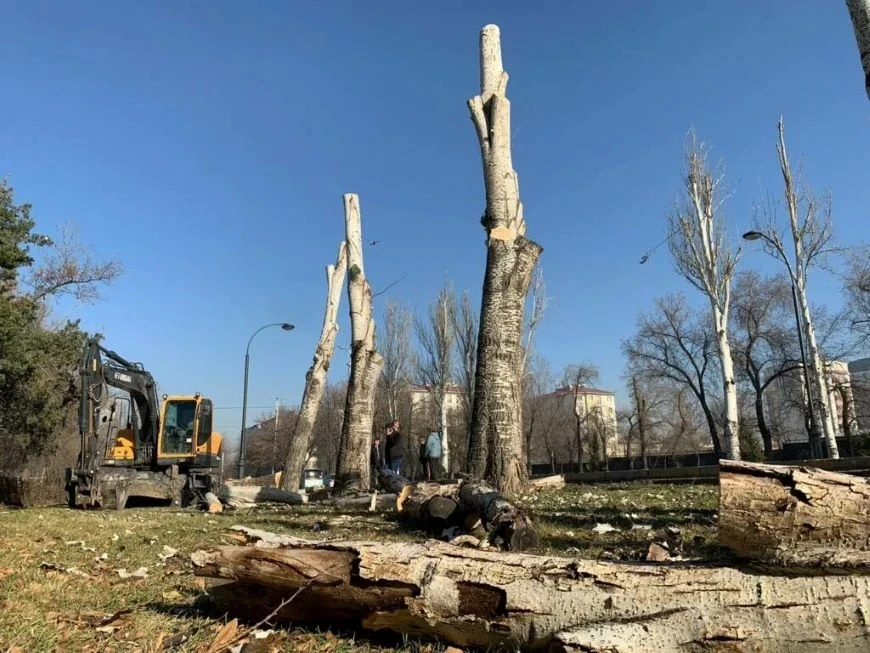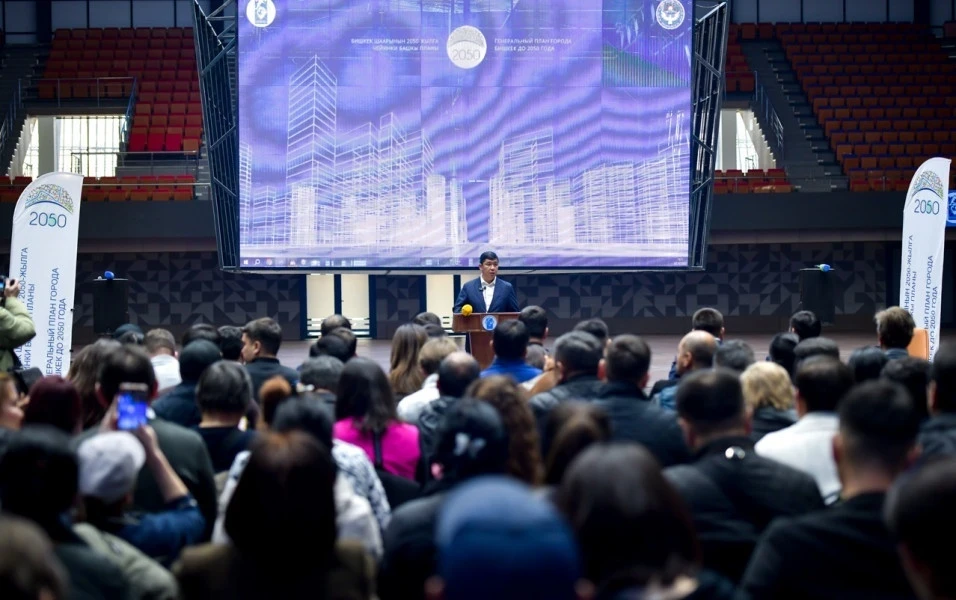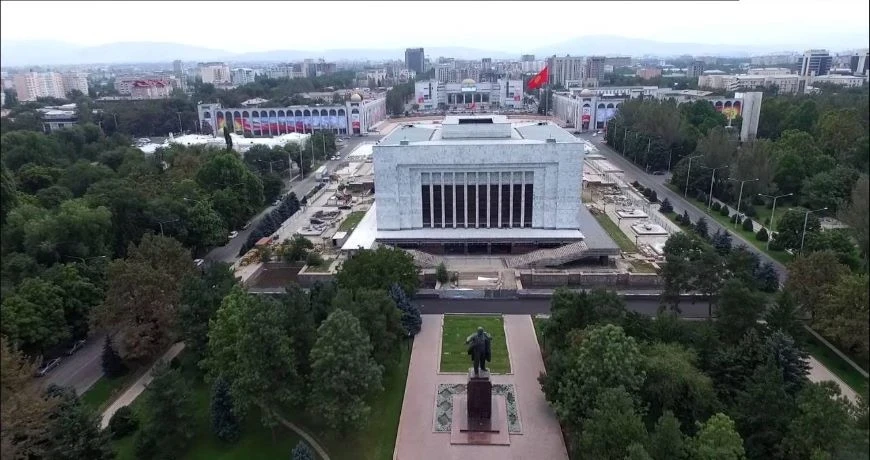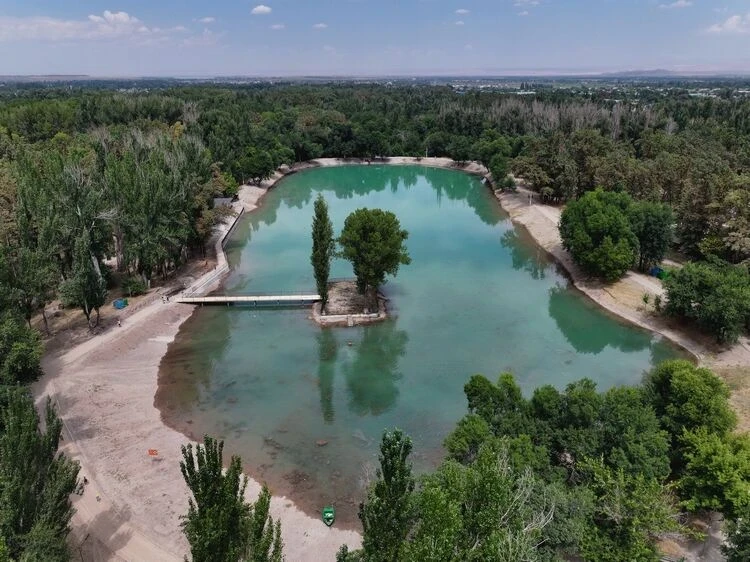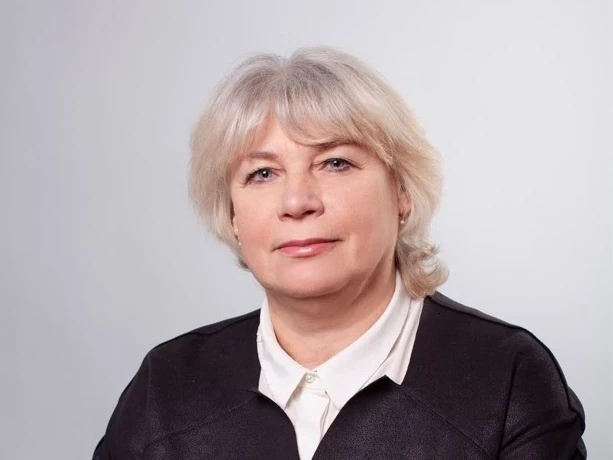
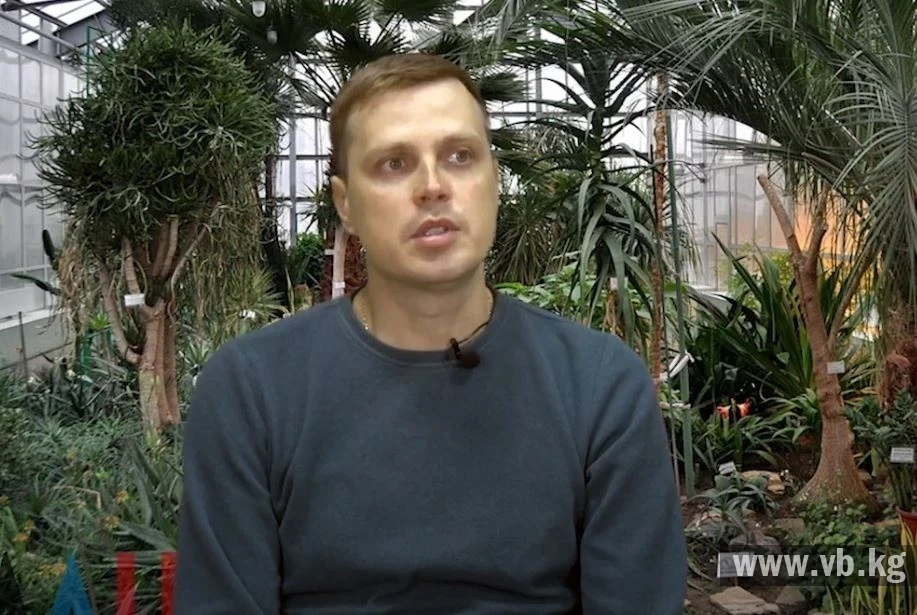
To restore the lost greenery, developers propose to develop roadside infrastructure. However, ecologist Dmitry Pereyaslavsky considers this approach insufficient and calls for stricter zoning from the authorities. In a conversation with a journalist from VB.KG, he emphasized that the General Plan project lacks zones for social facilities and parks in some areas with low-rise buildings.
Pereyaslavsky pointed out that according to regulations, parks should be located within 500 meters of residential areas, but many of these zones are already built up. "The General Plan project does not provide for places for social facilities and green zones in several areas. This is critically important for forming a healthy generation," he noted.
The ecologist also indicated the need to explain to citizens that social and green zones, such as schools, hospitals, and orphanages, are vital for the city. The current imbalance in construction forces people to move their children to other districts, leading to traffic jams. Pereyaslavsky noted that all residents feel the negative impact of the destruction of green spaces, making educational work extremely important.
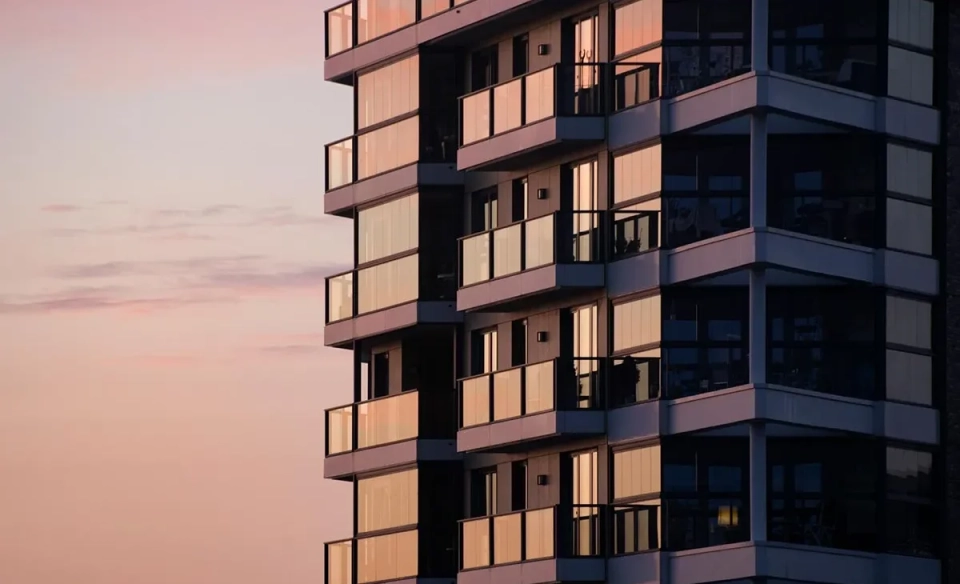
A research institute from St. Petersburg conducted an analysis of the housing stock, which showed that the total housing area in Bishkek is 18.5 million square meters. With a population of about 1.3 million people, this provides only 14 square meters per person, which is significantly below the norm established in some CIS countries — 18 square meters.
The problem is exacerbated by the rapid growth of construction. Previously, about 30,000 square meters were commissioned per year, but in recent years this figure has increased to 300,000 square meters, not accounting for transport infrastructure and social facilities. As a result, some educational institutions conduct classes in five shifts, and the provision of kindergartens is only 30%.
According to the city hall, the population of the capital is 1.3 million people. The question of how many people can comfortably live in the future remains open. Previously, the city was designed for 600,000 residents, but now concepts of agglomeration are being discussed, including neighboring cities such as Kant, Tokmak, and Kara-Balta. The goals vary, but the main task is to create comfortable living conditions in all cities of Kyrgyzstan with modern transport systems.
Significant work is underway to analyze problems, including uncontrolled irrigation networks, traffic jams, corruption, and the loss of green zones. However, citizens want to understand what lies behind each item of the General Plan: which buildings will be demolished and where the roads will go. The city hall and developers need not only to present the plan but also to actively explain its details to answer all questions and jointly find solutions, as this is the only way to address the accumulated problems.