With the development of digital technologies, where it's easy to order food or clothing, the world of drug trafficking has also undergone changes. Drug stores now operate without the need for personal meetings, turning a dangerous business into an almost invisible online network. Synthetic drugs have taken over the market due to their availability and destructive impact.
These changes have led to sad consequences: an increase in the number of teenagers suffering from drug addiction, a rise in the number of women with dependencies, the spread of "pharmacy" drug addiction, and thousands of people ending up behind bars.
In 2025, Kyrgyzstan recorded a record seizure of synthetic drugs — up to 28 kilograms, with more than a thousand people serving sentences for related crimes.
We spoke with Police Lieutenant Colonel Umida Ismatova, who tirelessly fights this threat, and two individuals on different sides of addiction: one trying to escape and another just beginning their journey into the dangerous world.
Love on "salts"
The story of Rustam (name changed) is a classic one: he met an attractive girl who offered him to try something stronger than alcohol. Now they use "salts" together and search for their next dose. On the condition of anonymity, the guy shared how the system works.He claims to be in love and wants to help the girl, but also admits that he enjoys "flying" with her. According to him, about 5,000 soms are spent on drugs per week, which amounts to up to 20,000 a month. He has money — his job allows it.
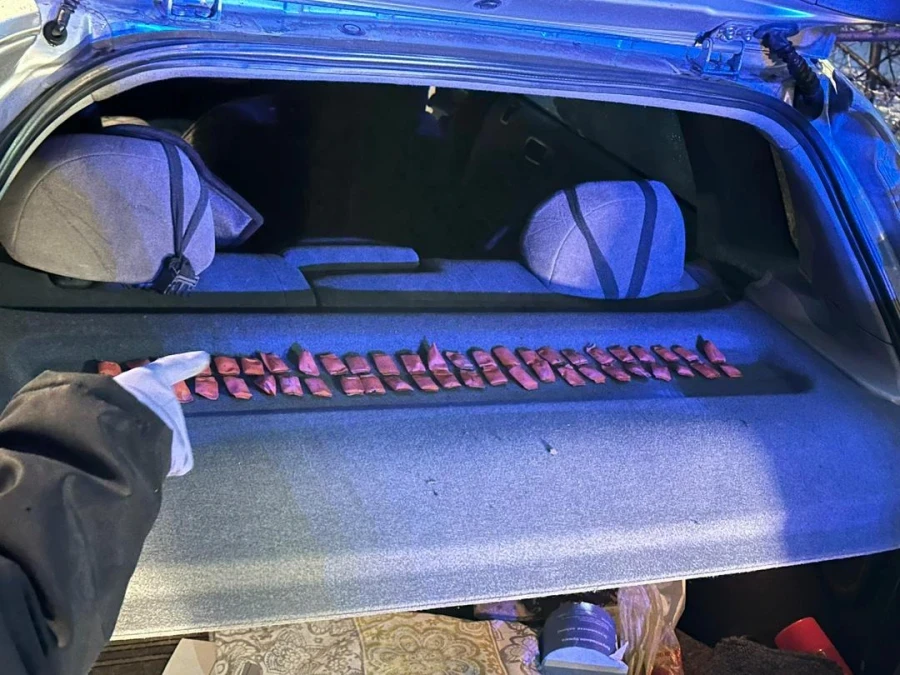
He says the buying process is simple: you need to find the right channel on Telegram, transfer money, and receive the geolocation of the "stash." The stasher sends a photo indicating the location — a stone, a pipe, or a tree. There are "instructions": it's recommended to use some object for digging and, if confronted by the police, to say that you're looking for keys. If the "stash" is not found, the money is not returned.
The main thing is not to get caught by the police: criminal liability is provided for drug possession. No one warns about addiction and withdrawal.
In chats, similar users exchange "stories of finding stashes" — it's almost like a game, but with real and often tragic consequences.
Rustam considers himself a "beginner," although his girlfriend has been addicted for a long time. They do not think about treatment. "You can always stop," he says...
Seven sentences and one addiction
Meet Alexey, who is 53 years old. He is homeless, sleeping near heat pipes in winter. He receives methadone at drug rehabilitation centers for free to maintain his condition. The drug is given in tablet or liquid form, but under strict rules.Methadone is a synthetic substance for people unable to cope with addiction. However, some, after taking it, "chase" it with dimedrol, injecting into the veins of their arms and legs. This leads to terrible consequences: limbs begin to rot, sometimes requiring amputation. But even this does not stop many. Alexey has seen this happen more than once, but he claims he has never reached that point himself.
He vaguely remembers his first use. After an accident, he suffered from severe headaches, and an acquaintance offered him "medicine" — opium.
At first, he refused, but the pain was too strong. Thus began his addiction. "Yes, sometimes it would let go, but then it would come back even stronger," he recalls.
Alexey claims that most often people are "hooked" by acquaintances: they gain trust by offering relief. These are the distributors. He has quit and started again multiple times. He spent seven years in prison, mostly for possession. He says that drugs were made by themselves before, but with modern synthetic drugs, it's much harder to quit.
When he tried to leave, dealers wouldn’t let him go: they offered "discounts," lent him money, just to keep him as a client. Sometimes "gifts" were left right at his door. "It's important for them that you don't slip away," the man notes. He emphasizes that the sellers themselves often do not use and try to protect their loved ones from it.
It used to be simpler — without stashes: you could come and buy directly. Now the schemes have changed, but the essence remains the same. Alexey is sure that people with income are more likely to fall into addiction. He worked as a mechanic, brought money home, but over time everything fell apart. Now he cannot return home — his sister has transferred part of the property to herself.
He avoids the word "drug addict," claiming that he has "been treated."
However, he admits that he regrets his choice and warns others — the line between "trying" and "ruining your life" is too thin. To those who have already started, he advises: stop immediately.
According to Police Lieutenant Colonel Umida Ismatova, senior operative of the prevention and public interaction department, methadone mainly helps those who have used non-synthetic drugs. It has almost no effect on "synthetics," and therefore methadone programs are gradually being phased out — such people are becoming fewer.
Easy money — heavy sentences
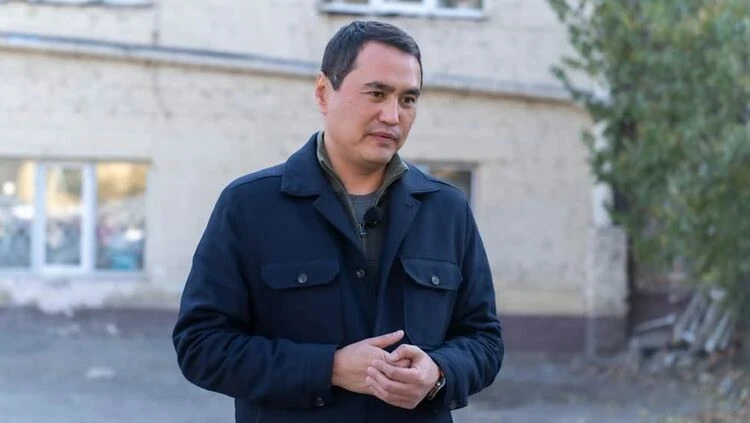
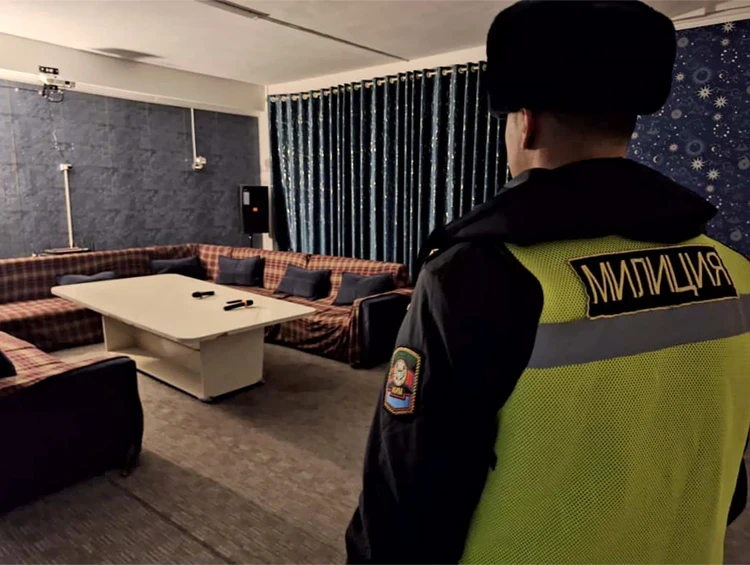
Police Lieutenant Colonel Umida Ismatova works on the front lines of the fight against drug crime, trying to prevent dire consequences.— What is the current relevance of the stash problem in Bishkek?
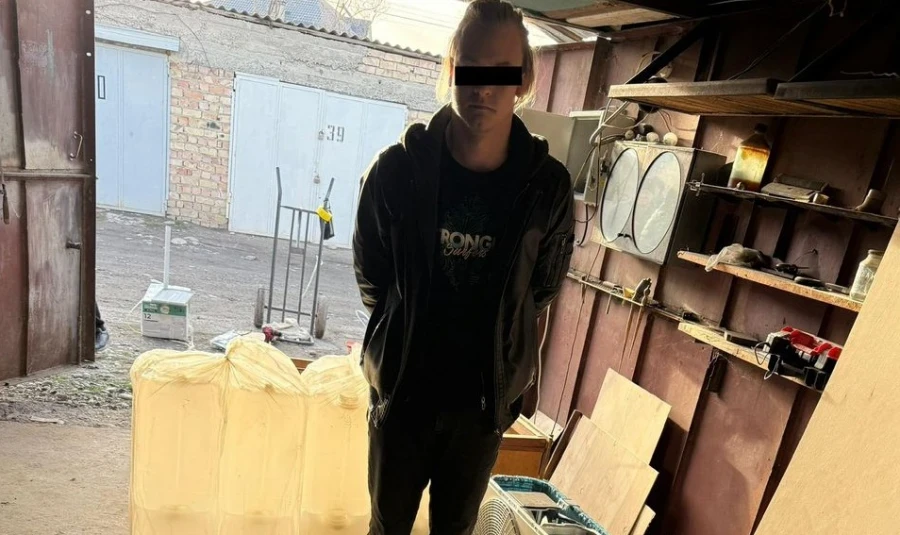
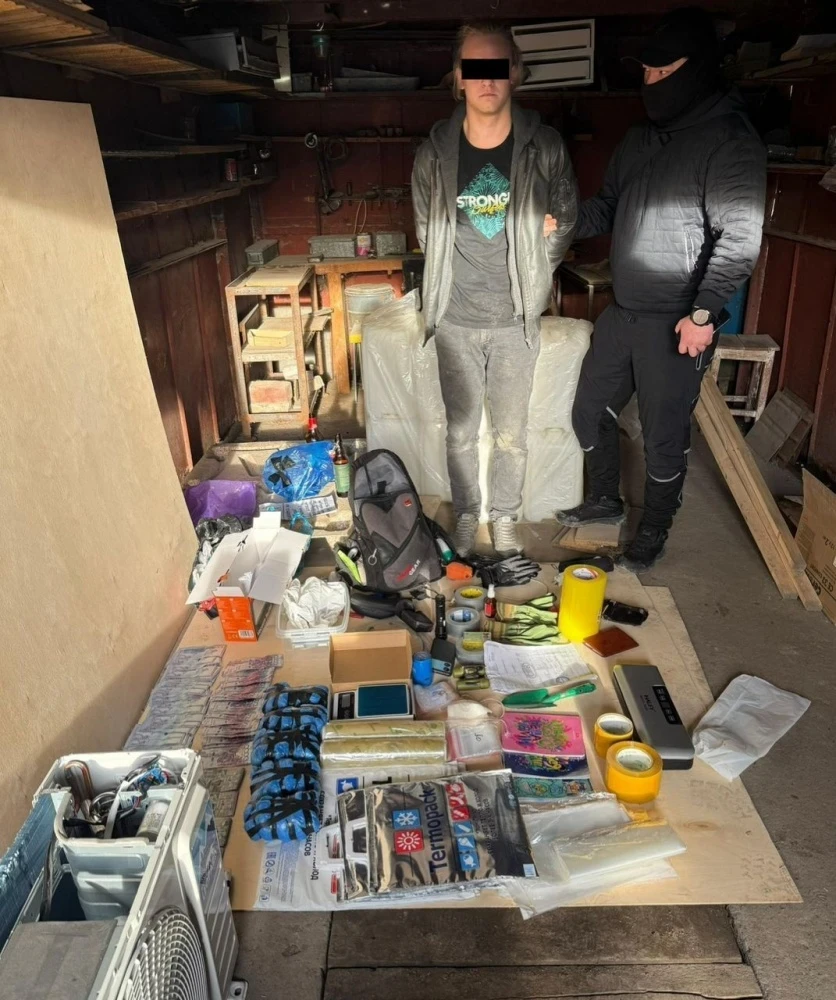
— Unfortunately, with the development of internet platforms and messengers, the problem has become even more acute. Drug traffickers minimize personal contacts and use stashers who create hiding places throughout the city. However, the police regularly identify and detain those involved.
— Has it become harder to catch distributors?
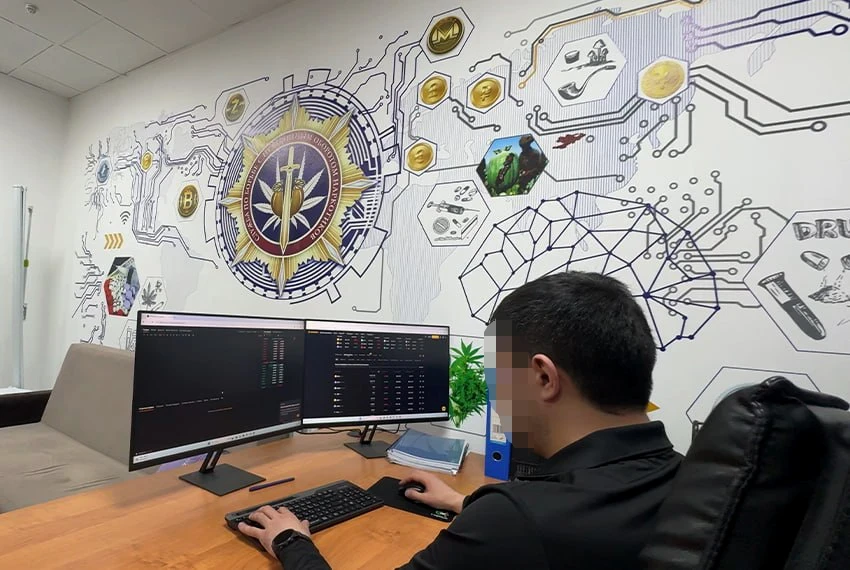
— Yes, it has become more difficult to solve such crimes, as all communication occurs over the internet. But the cybercrime department works around the clock. In 2025, 54 drug stores and 4 websites were shut down, 88 cases related to stashers were registered, and suspects were detained.
— Who often becomes a stasher?
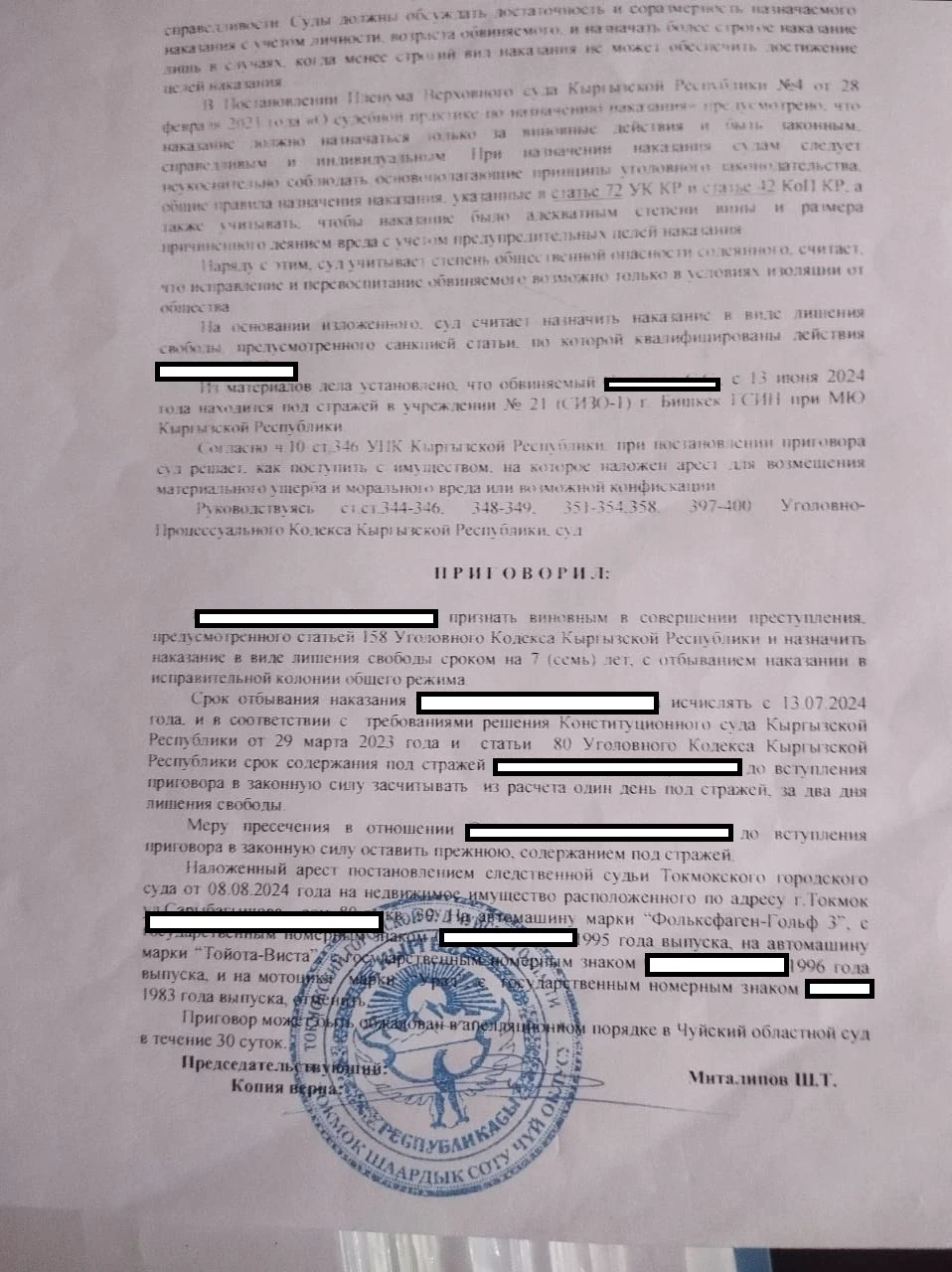
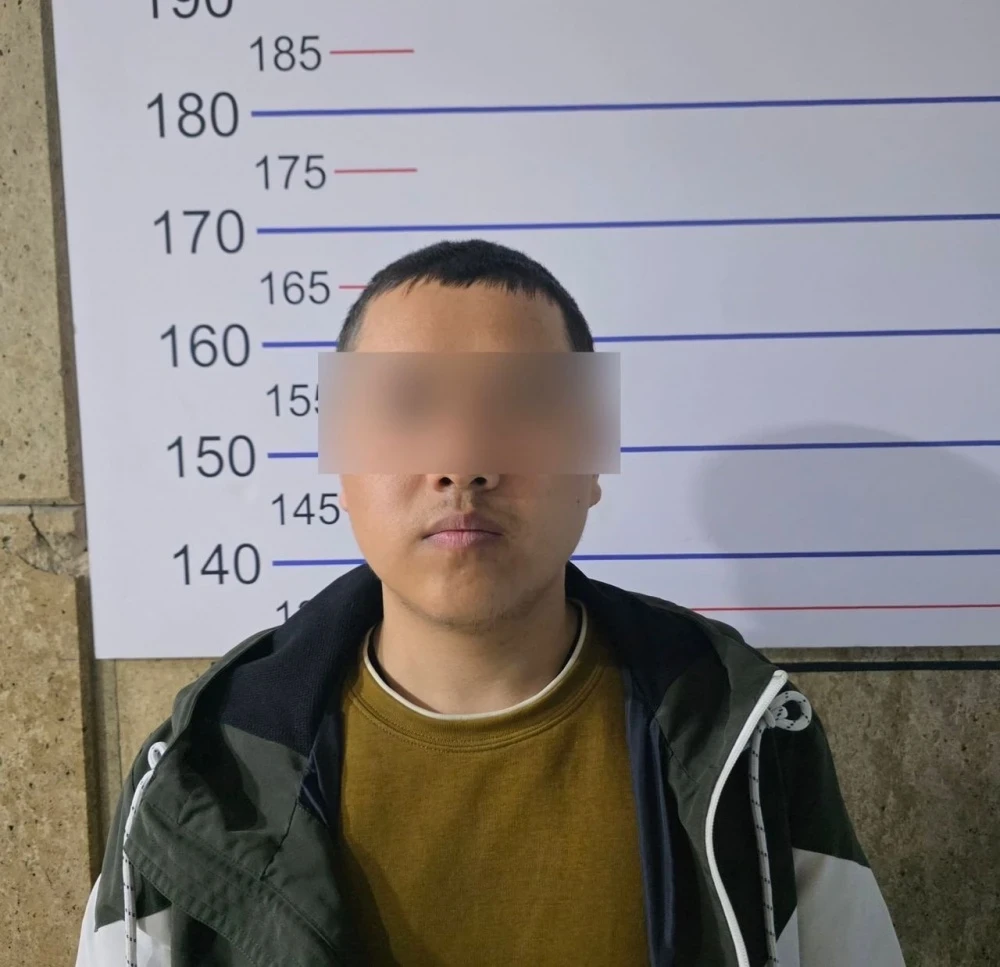
— Mostly young people aged 18 to 25: students, unemployed, and people in difficult financial situations. They believe it is an easy way to earn money but do not realize the consequences. Such actions fall under Article 282 of the Criminal Code of the Kyrgyz Republic — from 7 to 15 years of imprisonment.
— Why is it mostly youth that gets involved?
— Due to the desire for "easy money" and ignorance of the law. Many mistakenly think that couriers bear no responsibility. Moreover, young people are better at understanding technology.
— Are there older people among stashers?
— Practically none.
For parents' attention
— What is the statistics on such crimes?— In 2024, 154 cases related to stashers were registered, and in 2025 — 88. But this does not mean the problem has disappeared: we close one drug shop — another appears, with the same people.

— How is prevention carried out?
— We conduct explanatory work in schools and with parents. If earlier we worked with 10th-11th graders, now we start from the 7th grade. It is important to convey the seriousness of the consequences.
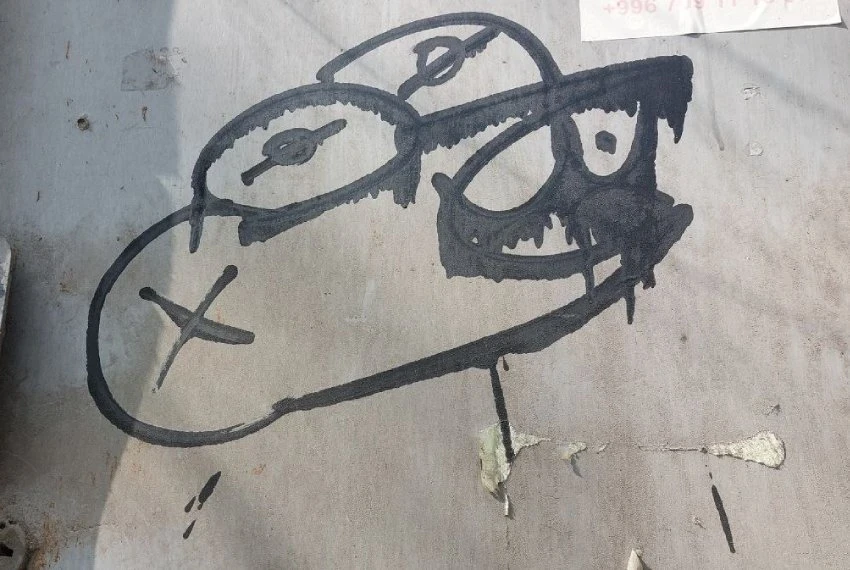
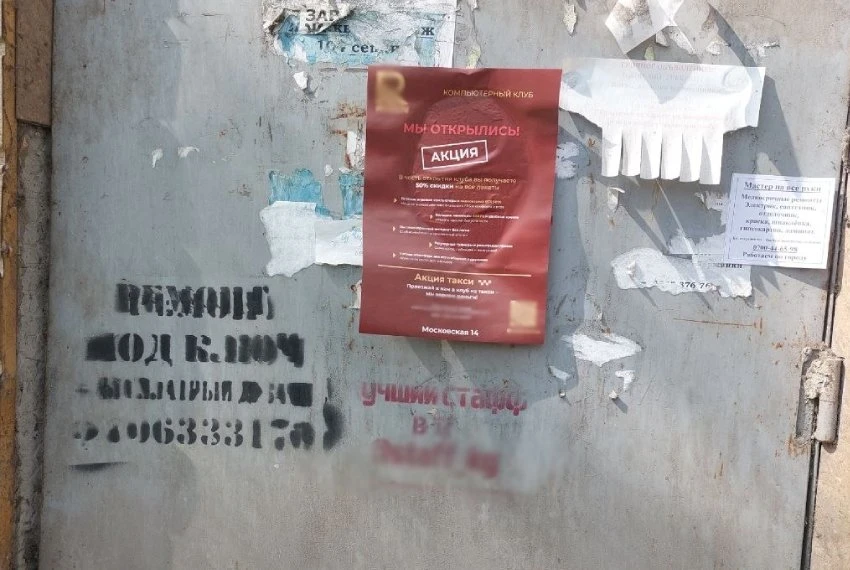
— What do you do about drug shop advertisements on the streets?
— We paint over the inscriptions together with students and the city administration. This is also part of promoting a healthy lifestyle.
— What should someone do if they find a stash?
— Under no circumstances should they touch it. They need to remember the location, if possible, document it, and report it to law enforcement.
— What advice would you give to parents?
— Communicate more with your children, inquire about their surroundings and internet activity. Pay attention to the appearance of money and definitely explain the legal consequences associated with drugs. It is important to instill the understanding that there is no such thing as easy money.